- The debate over school heads’ remuneration should go beyond salaries to the quality of leadership they provide.
- Effective leadership is reflected in professionalism, integrity, courtesy and personal example.
- Schools thrive when leaders inspire trust, respect and excellence through both appearance and conduct.
The debate over whether Heads of Institutions (HOIs) earn enough continues to divide opinion within Kenya’s education sector. Some teachers believe school heads are among the best-paid educators and should comfortably meet both their professional and personal obligations. Others argue that no salary can truly compensate for the immense administrative burden, legal accountability and public scrutiny that accompany the office.
Yet beyond the salary debate lies a more fundamental question: What truly defines an outstanding educational leader?
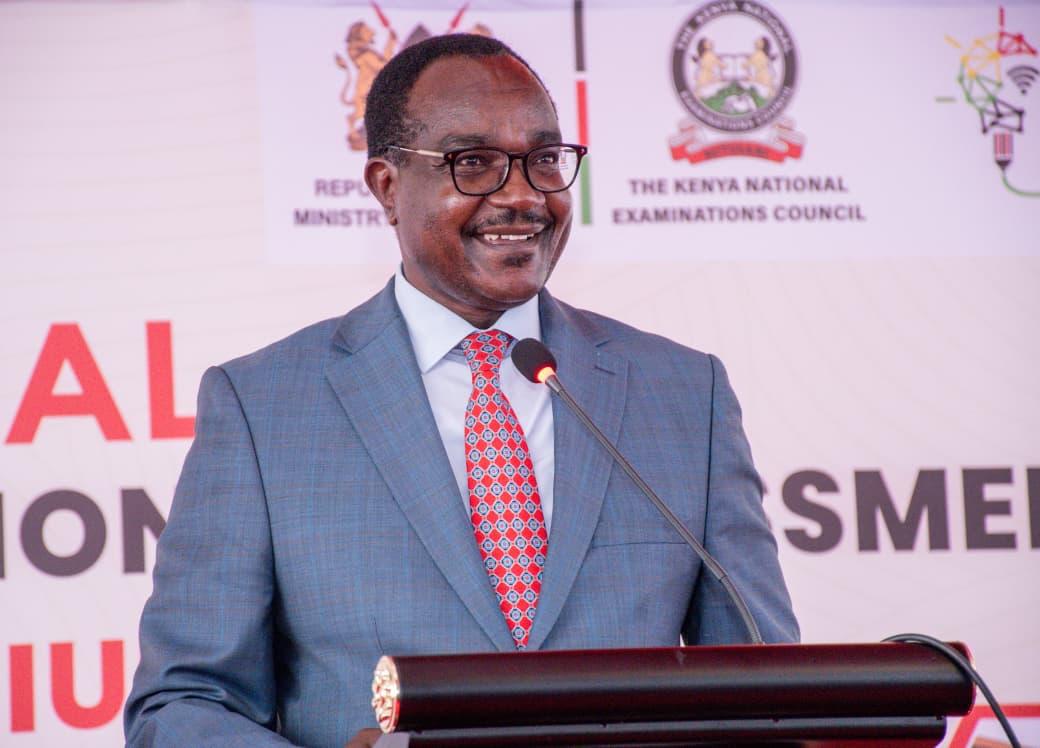
Leadership begins long before a meeting is called or an instruction is issued. It begins the moment a Head of Institution walks through the school gate. Before learners, teachers, parents or visitors hear a single word, they form an impression from what they see. Physical appearance and dress code often tell a story that words cannot.
A professionally dressed Head of Institution communicates discipline, confidence, organisation and self-respect. Well-ironed clothes, polished shoes, neatly groomed hair and appropriate professional attire send a silent but powerful message that excellence starts with the individual.
Such leaders become living examples of the standards they expect from learners and staff. Schools are institutions of character formation, and learners are more likely to imitate what they consistently observe than what they are repeatedly told.
However, appearance alone is not enough. The finest suit cannot compensate for poor leadership, just as modest clothing does not prevent someone from being an exceptional leader. The true value of professional appearance lies in its consistency with one’s conduct.
Respectful communication, humility, fairness, empathy, integrity, punctuality and accountability complete the image that appearance begins to paint.
Leadership goes beyond the payslip
Heads of Institutions shoulder enormous responsibilities. They supervise teaching and learning, manage millions of shillings in public resources, oversee examinations, ensure compliance with Ministry of Education and Teachers Service Commission regulations, guide curriculum implementation, coordinate staff, engage parents, supervise infrastructure projects and safeguard the welfare of hundreds—or even thousands—of learners.
These responsibilities justify competitive remuneration because the position demands exceptional judgement and accountability.
Yet leadership cannot be measured solely by the amount reflected on a monthly payslip. It is equally measured by the ability to inspire others through everyday actions.
Unfortunately, some institutions struggle not because resources are lacking but because simple professional courtesies are overlooked. A warm greeting, a sincere “thank you”, timely feedback, recognition of staff effort, respectful communication and genuine concern for employee welfare cost nothing, yet they have the power to transform the culture of an institution.
Many teachers often ask why some leaders who earn respectable salaries sometimes neglect these simple courtesies. While financial prudence and administrative pressure may influence certain decisions, professionalism is never determined by money alone.
Courtesy requires no budget. Respect demands no procurement process. Kindness needs no circular from the Ministry of Education. These are qualities that define authentic leadership.
Building a positive school culture
The most successful schools are rarely built on infrastructure alone. They are built on trust, professionalism, mutual respect and leaders who understand that people are an institution’s greatest asset.
When teachers feel valued, they become more motivated. When learners witness discipline and professionalism from their leaders, they naturally aspire to emulate those values. A positive school culture is created not through fear or authority but through consistent personal example.
Physical appearance and dress code therefore become more than matters of personal preference. They reflect preparation, seriousness and commitment to the office one holds. Combined with integrity, humility, competence and emotional intelligence, they strengthen a leader’s credibility.
Every polished shoe, every neatly ironed outfit, every well-groomed appearance and every respectful interaction silently reinforces the values that schools seek to instil in young people.
Ultimately, the debate should not focus solely on whether Heads of Institutions earn enough. It should also examine whether educational leadership is being exercised in a manner worthy of the trust society places in school leaders.
Salary may earn someone a position, but character earns respect. Authority may command obedience, but exemplary conduct inspires loyalty.
READ ALSO: TSC finally transfers embattled regional director, paving way for colleagues’ deployments
In education, leadership is first seen before it is heard. Physical appearance and dress code may tell the opening chapter of the story, but courtesy, professionalism, integrity and genuine concern for others complete the narrative.
Those who combine both become not only successful administrators but also enduring role models whose influence extends far beyond the school gates.
The writer is Hillary Muhalya.
You can also follow our social media pages on Twitter: Education News KE and Facebook: Education News Newspaper for timely updates.
>>> Click here to stay up-to-date with trending regional stories
>>> Click here to read more informed opinions on the country’s education landscape