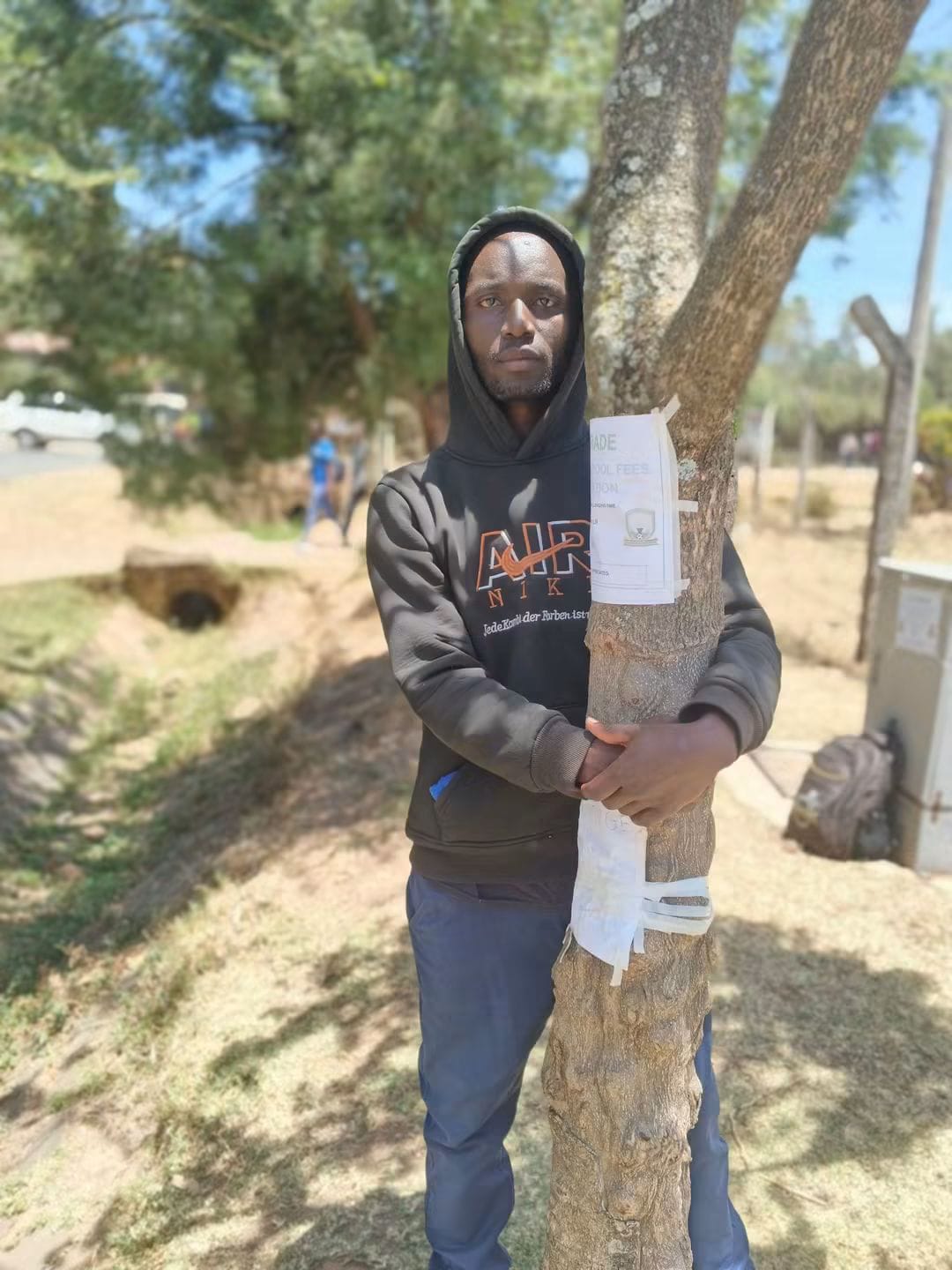
- Delayed payments to examination officials undermine morale and weaken confidence in the national examination system.
- Teachers, invigilators, supervisors and examiners deserve prompt remuneration for the critical role they play.
- Timely payment and better communication will strengthen professionalism and protect the integrity of national examinations.
Every year, when national examinations begin across Kenya, the spotlight naturally falls on the candidates. Parents pray, teachers encourage learners, schools tighten security, and the nation waits anxiously for another examination season to unfold.
Yet behind every successful examination is an army of professionals whose commitment often goes unnoticed. They are the supervisors, invigilators, centre managers, script collectors, practical assessors, examiners and support personnel who work long hours under immense pressure to ensure every examination is conducted fairly, securely and credibly.
These education professionals are the invisible pillars of Kenya’s examination system.
They carry enormous responsibilities that determine the integrity of certificates relied upon by universities, employers and society. They protect confidential examination materials, enforce examination regulations, prevent malpractice, supervise thousands of candidates, mark scripts within strict deadlines and ensure that every learner receives a fair assessment.
Unfortunately, despite the central role they play, many examination professionals continue to experience one persistent challenge—uncertainty over their remuneration.
Delayed payments, prolonged waiting periods and inadequate communication have become recurring concerns that deserve urgent national attention.
The cost of delayed payments
A country that entrusts teachers and examination officials with one of its most critical national responsibilities should equally honour its obligation to compensate them promptly.
When professionals complete their assignments faithfully but wait months before receiving payment, the message conveyed is one of neglect rather than appreciation.
Most examination personnel accept these assignments knowing they involve sacrifice. They travel away from their homes, incur transport expenses, spend money on accommodation where necessary, and dedicate weekends, holidays and evenings to examination duties.
Some work in remote and difficult environments, while examiners spend weeks marking thousands of scripts under demanding timelines to ensure results are released on schedule.
Their commitment is rarely questioned. What is increasingly being questioned is whether the system values their contribution enough to compensate them without unnecessary delays.
Late payments have consequences that extend far beyond financial inconvenience.
Teachers, like all other professionals, have families to support, school fees to pay, loans to service, rent to settle and medical expenses to meet.
Many budget their finances based on the expectation that examination allowances will be paid within a reasonable period after the assignment ends.
When payments are delayed without clear explanations, financial plans collapse, stress increases and confidence in the system gradually erodes.
Communication matters
Equally troubling is the uncertainty surrounding these delays.
In many cases, examination professionals receive little official communication explaining when payments will be made.
Silence creates anxiety. Rumours replace facts, frustration grows and trust weakens.
Transparent communication is essential. Even where administrative or financial challenges exist, professionals deserve timely updates and realistic payment timelines.
The welfare of examination personnel should never be treated as an afterthought.
A credible examination system depends on motivated, committed and respected professionals.
When those entrusted with safeguarding national examinations feel undervalued, the long-term consequences become difficult to ignore.
National examinations require thousands of experienced teachers every year.
If delays become the norm, some professionals may become reluctant to accept future assignments. Others may participate reluctantly, feeling that their sacrifice is not recognised.
Such a trend would make recruitment increasingly difficult and place unnecessary pressure on the education system.
This is not merely a labour issue; it is an education quality issue.
The integrity of national examinations depends on the people who administer them. Weakening their morale ultimately weakens the entire examination process.
Modernising payment systems
Kenya has made remarkable progress in strengthening examination security through improved technology, tighter regulations, secure transportation of examination materials and stricter measures against malpractice.
These investments have significantly enhanced public confidence in the examination process.
However, protecting examination integrity should also include protecting the welfare of the professionals responsible for implementing these reforms.
Technology should also be used to modernise payment systems.
Digital verification of attendance, automated processing of allowances and transparent payment tracking can minimise delays and improve accountability.
Efficient administrative systems would not only benefit examination personnel but also enhance public confidence in the institutions responsible for managing national assessments.
Investing in examination integrity
The education sector thrives when professionalism is matched by fairness.
Teachers are expected to report on time, maintain confidentiality, uphold examination ethics and complete assignments within strict deadlines.
It is only fair that the institutions assigning these responsibilities meet their own obligations with equal commitment.
Prompt payment is not a favour. It is a contractual and moral responsibility.
It demonstrates respect for professional service and strengthens confidence in public institutions.
Every examination official who performs assigned duties deserves timely remuneration without unnecessary bureaucracy or prolonged uncertainty.
The government and education agencies should therefore establish clear service standards for processing examination payments.
Professionals should know exactly when they will be paid after completing assignments.
Where delays become unavoidable, timely explanations and revised schedules should be communicated openly.
Predictability is just as important as payment itself.
Kenya’s education system has earned regional and continental respect because of the credibility of its national examinations.
Preserving that reputation requires more than secure examination papers and strict invigilation. It requires investing in the people whose dedication keeps the system functioning year after year.
The teachers and professionals who supervise, invigilate, mark and coordinate examinations are not temporary workers whose welfare can be overlooked.
They are skilled education practitioners carrying out a national duty that shapes the future of millions of learners.
Their professionalism deserves timely recognition through prompt payment and respectful engagement.
If Kenya truly values quality education, then it must also value those who protect its examination system.
Ending uncertainty, eliminating unnecessary payment delays and strengthening communication are practical reforms that will improve morale, reinforce professionalism and safeguard the credibility of future national examinations.
The integrity of national examinations does not rest solely on examination papers or technology. It rests equally on the dedication of the professionals who administer them.
READ ALSO: Why parents must look beyond prestige when choosing schools, colleges and universities
Paying them on time is not simply good administration—it is an investment in the future of education and a demonstration that the nation honours those who faithfully serve it.
By Hillary Muhalya
You can also follow our social media pages on Twitter: Education News KE and Facebook: Education News Newspaper for timely updates.
>>> Click here to stay up-to-date with trending regional stories
>>> Click here to read more informed opinions on the country’s education landscape