-
Kericho-based anti-drug campaigner is urging education authorities to shift their focus from responding to school unrest to preventing it.
-
William Rotich says strengthening psychosocial support and creating structured engagement between learners, parents and teachers could significantly reduce strikes that have disrupted learning in schools across the country.
As students return to school after the mid-term break, a Kericho anti-drug campaigner is urging education authorities to shift their focus from responding to school unrest to preventing it.
William Rotich says strengthening psychosocial support and creating structured engagement between learners, parents and teachers could significantly reduce strikes that have disrupted learning in schools across the country.
Speaking in Kericho town, Rotich argued that many warning signs are often overlooked because schools lack professional counselors.
“We need permanent full-time psychosocial counselors in schools because many challenges affecting learners go unnoticed until they result in unrest. These professionals can identify problems early and help students manage emotional, social and behavioral challenges before they become crises,” he said.
According to Rotich, many students are silently struggling with family issues, peer pressure and academic stress.
Drawing from his regular school visits across Kericho County, he said many learners rarely hold meaningful conversations with their parents.
ALSO READ:
Mbadi to contracted teachers: Ksh1.5 billion was released, be ready to receive your money
“I have visited more than fifteen secondary schools, especially in Chepseon and Kapkatet wards, and many students tell me they only have superficial conversations with their parents. They lack someone they can openly confide in,” he said.
He warned that the communication gap pushes many learners to rely on friends for guidance.
“Some parents assume their children are mature enough to solve their own problems, but many end up receiving advice from peers, exposing them to substance abuse, risky lifestyles and other harmful influences,” he noted.
Rotich added that examination pressure also contributes to emotional distress among learners, with some adopting destructive coping mechanisms.
He proposed regular forums bringing together teachers, students and parents to discuss emerging concerns before they develop into major disciplinary issues.
“Building trust between learners, teachers and parents creates a supportive environment where students feel heard, reducing the likelihood of unrest,” he said.
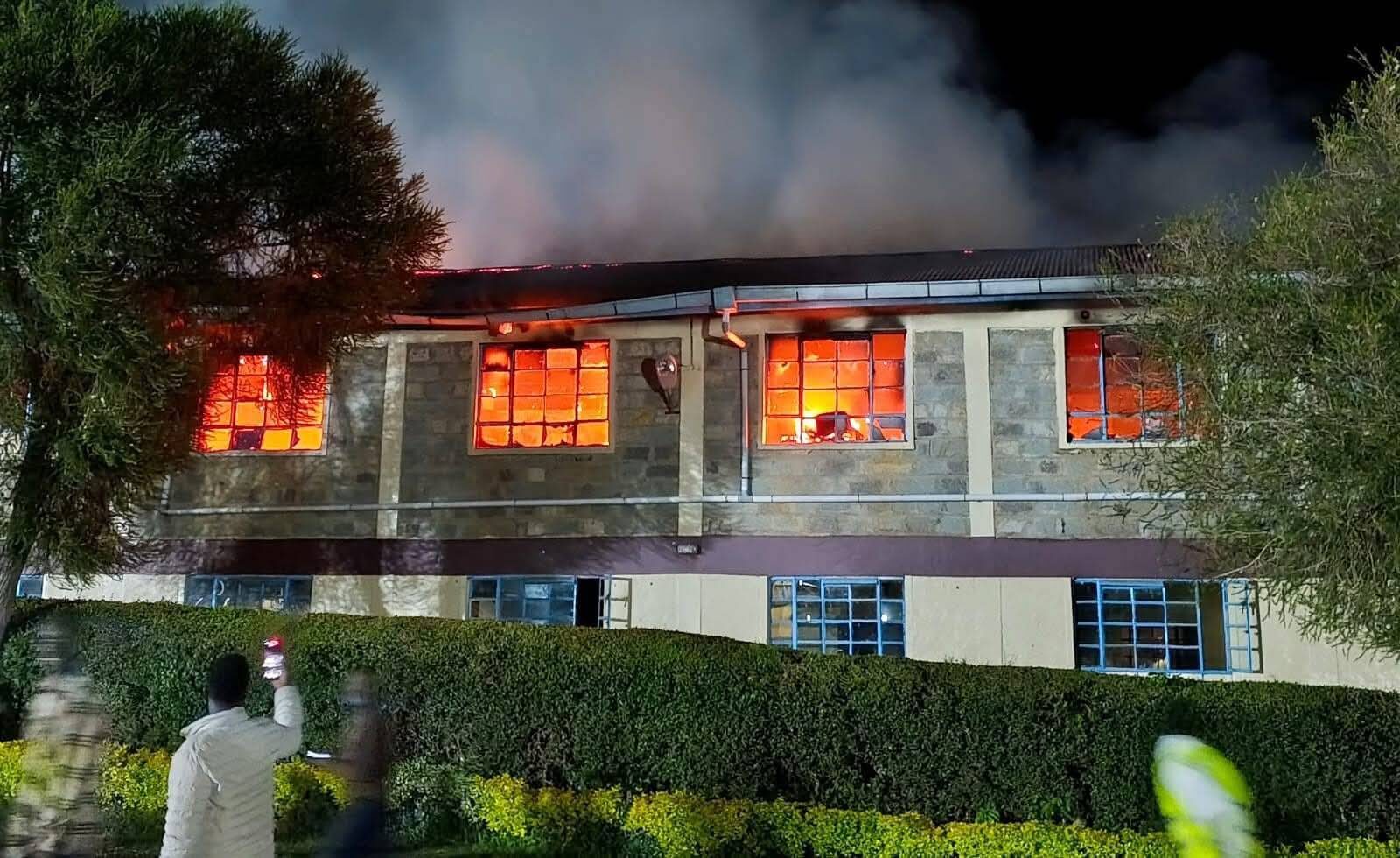
Rotich called on both national and county governments to invest in long-term psychosocial programmes instead of waiting until schools experience strikes and destruction of property.
By Kimutai Langat
You can also follow our social media pages on Twitter: Education News KE and Facebook: Education News Newspaper for timely updates.
>>> Click here to stay up-to-date with trending regional stories
>>> Click here to read more informed opinions on the country’s education landscape