- Jeff Kirui examines China’s push to make engineering doctoral research more practical and industry-focused.
- The emerging model allows some doctoral candidates to demonstrate innovation through products, techniques or projects.
- Kenyan universities could draw lessons as they seek stronger links between research, industry and commercialisation.
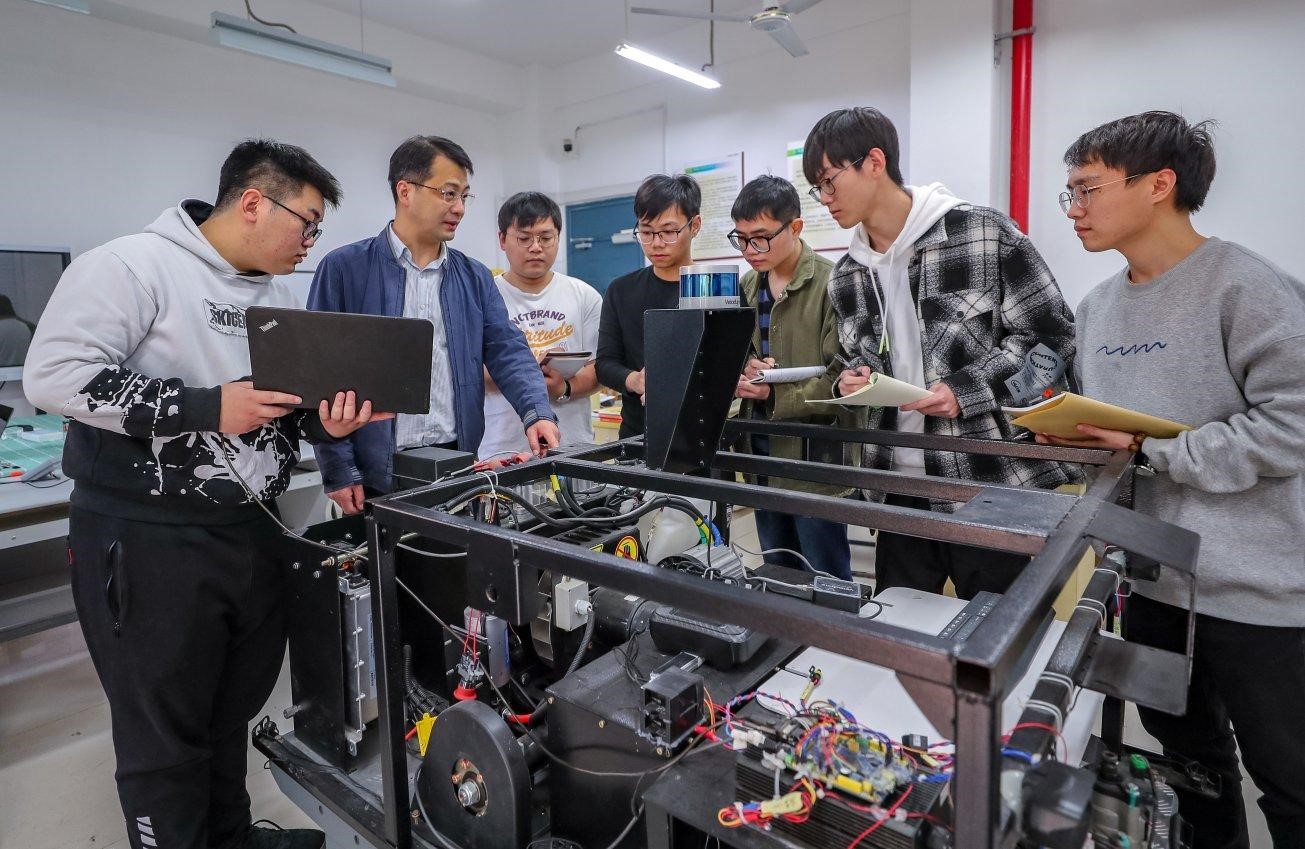
China is challenging its universities to rethink what a PhD in a technical field should produce, with greater emphasis being placed on turning academic research into practical products and solutions rather than papers that may never leave university libraries.
The approach seeks to address concerns over research that consumes years of study and significant resources but has limited impact outside academic circles.
Under reforms affecting engineering professional doctorates, some doctoral candidates can now demonstrate their work through practical achievements such as innovative products, techniques or projects instead of relying solely on a conventional thesis. China’s Ministry of Education says such practical outcomes must still include a written summary, formal assessment and a defence.
The shift is already producing visible results. In early 2026, China awarded some of its first so-called “practical PhDs”, including an engineering doctorate at Southeast University in which the candidate defended a bridge-pylon system developed through his research rather than a conventional thesis.
The approach reflects a broader push to make universities important engines of innovation, linking academic research more closely with industry, the economy and national development.
It also raises questions about the value of doctoral programmes that place heavy emphasis on publications and theoretical knowledge without requiring researchers to demonstrate how their findings can be translated into practical applications.
A possible lesson for Kenyan universities
The Chinese approach provides an interesting lesson for Kenya, where universities continue to produce large volumes of postgraduate research, theses and academic papers, but the journey from research to usable products remains a major challenge.
Kenya has invested heavily in higher education and research, with universities producing research across science, technology, agriculture, health and other fields. However, many innovations developed within institutions struggle to move beyond laboratories, academic conferences and university repositories.
The gap between research and commercialisation has therefore become one of the major questions facing Kenya’s higher education sector.
A similar push to make postgraduate research more practical would, however, require significant changes in how universities design, supervise and assess doctoral programmes.
Students could be encouraged to work more closely with industry and communities, identify practical problems and develop solutions that have a clear pathway towards adoption.
Such a model would not necessarily mean that every PhD thesis must result in a commercial product. China’s reforms specifically concern professional engineering doctorates and still recognise different forms of doctoral research.
Fundamental research remains an important part of higher education, and some disciplines cannot be judged through product development alone.
READ ALSO: Baringo South celebrates first female pilot from Mochongoi Ward
Instead, the debate is about ensuring that research, particularly in technical fields, does not end with publication.
For Kenya, the Chinese experience presents an opportunity to ask a difficult question about the purpose of postgraduate education.
By Jeff Kirui
Get more stories from our website: Education News
To write to us or offer feedback, you can reach us at: editor@educationnews.co.ke
You can also follow our social media pages on Twitter: Education News KE and Facebook: Education News Newspaper for timely updates.
>> Click here to stay up-to-date with trending regional stories