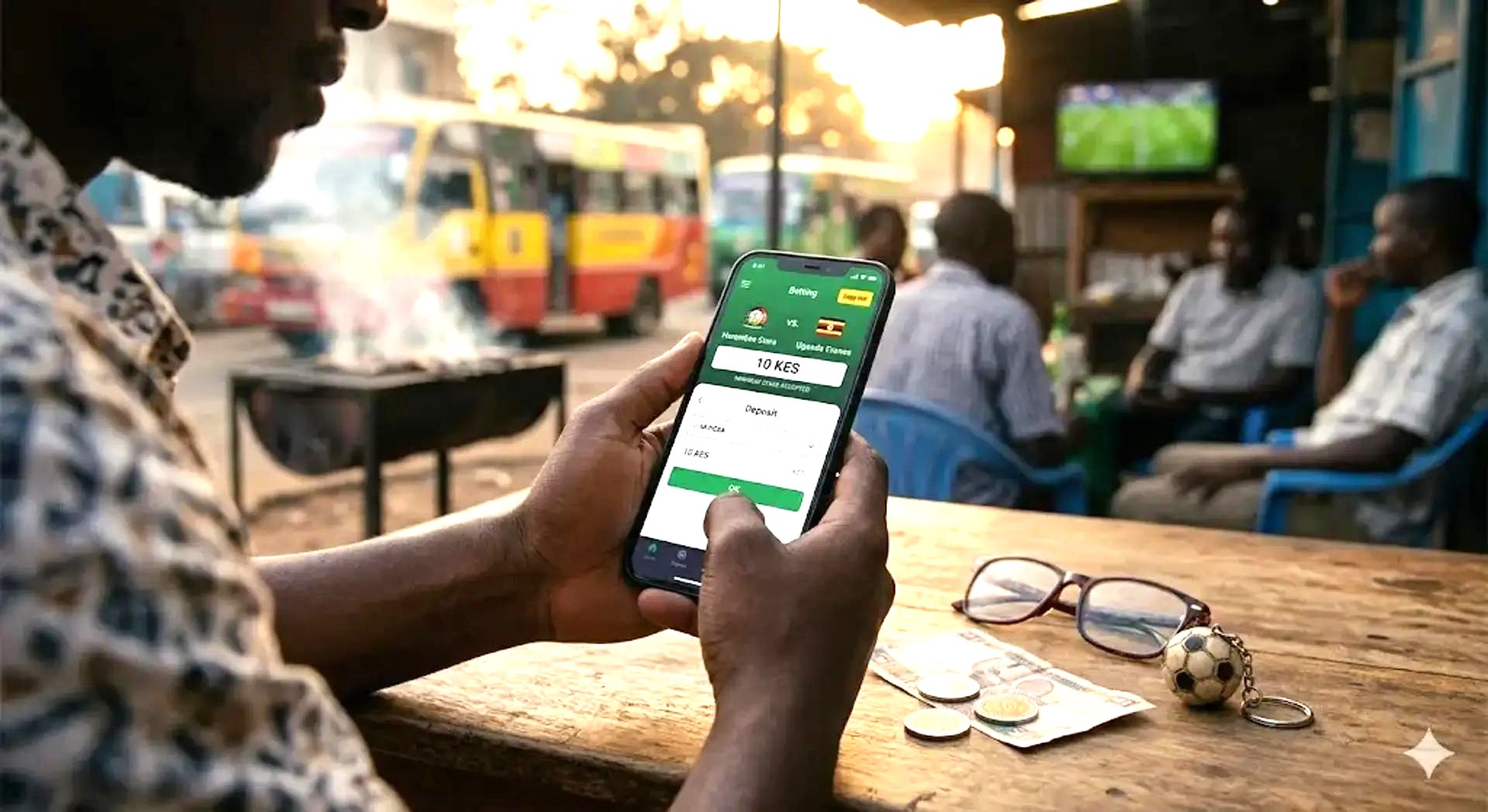
- A first salary can open opportunities for financial independence, but it can also introduce new temptations.
- Lempaso Kotikash cautions newly recruited teachers against allowing gambling to consume their income and undermine their careers.
- He encourages those already struggling with gambling to seek support, protect their earnings and focus on building their future.
Joining a new workplace, institution, organisation or training programme is an exciting stage in a young person’s life. It is a time of new opportunities, friendships, responsibilities and financial independence. However, it can also expose young people to temptations that can negatively affect their future.
One of these dangers is gambling addiction.
Gambling may begin as harmless entertainment — a small bet on a football match, an online game or a quick attempt to make extra money. For some young people, however, it gradually becomes a habit. The person starts betting more frequently, spending more money and chasing losses. Eventually, gambling can affect their finances, relationships, work, studies, mental well-being and future goals.
The good news is that gambling addiction can be overcome.
Young people are often attracted to gambling because of the promise of quick money. Advertisements, social media and peer pressure can make winning appear easy and exciting.
Newly recruited teachers may be especially vulnerable because some may be experiencing their first regular income. Having money in their account or on their phone can create the temptation to use part of it for betting.
But remember:
“Your salary is a tool for building your future — not fuel for gambling.”
How gambling addiction develops
Gambling addiction rarely happens overnight. It can develop gradually.
You place an occasional small bet. You experience a win and become excited. You begin betting more often. You lose money but try to win it back. You start using money meant for other needs. You borrow money to gamble. You hide your gambling from family or friends. Eventually, gambling becomes difficult to control.
The most dangerous stage is chasing losses — believing that one more bet will recover everything you have lost. Unfortunately, this can lead to even greater losses.
The first step is honesty. If gambling is affecting your money, work, relationships or peace of mind, acknowledge it.
There is no shame in asking for help.
Remove easy access to gambling. Delete betting applications, leave gambling groups and channels, and use available blocking or self-exclusion tools to restrict access to gambling platforms.
If you have difficulty controlling your finances, consider asking someone you trust to help you manage your money while you recover.
Protect your income. When you receive your salary, give your money a purpose. Prioritise necessities such as food, accommodation, transport, savings, education, family responsibilities and debt repayment.
Avoid keeping large amounts of disposable money available for impulsive betting.
Do not chase your losses. Money already lost through gambling cannot be recovered simply by gambling again.
Instead of thinking, “I need one big win to recover,” think:
“I need to stop losing more.”
Stopping the cycle is itself a victory.
Identify your triggers
Ask yourself:
When do I usually feel like gambling?
Is it when I am bored?
When I am stressed?
After receiving my salary?
When watching sports?
When friends are betting?
When I feel lonely or frustrated?
Once you know your triggers, prepare healthier alternatives — exercise, hobbies, spending time with friends, learning a skill, reading or working towards a personal goal.
Talk to someone you trust. Do not fight the problem alone. Speak to a trusted friend, family member, mentor, counsellor, religious leader or qualified mental-health professional.
Support can make recovery much easier.
Set meaningful financial goals.
Instead of asking, “How much can I win today?”, ask:
“What can I build with this money?”
You could save for education, a business, a vehicle, a home, professional training or an emergency fund.
Small amounts saved consistently can create something valuable over time.
Be careful with peer pressure.
As a newly recruited teacher, you may meet colleagues or friends who regularly gamble. You may hear statements such as:
“It’s only a small bet.”
“Everybody is doing it.”
“You can’t lose if you know the game.”
“Just try once.”
You have the right to say no.
True friendship should not require you to risk your money or future.
Your future is worth more than a bet
Gambling promises quick rewards, but your career, skills, savings, health, relationships and personal development offer something much more valuable: a sustainable future.
Your first salary can disappear in minutes through gambling, but it can also be the beginning of financial independence.
Use your income to build — not gamble — your future.
This new chapter of your life gives you an opportunity to make wise decisions. Do not allow gambling to take away the opportunities you have worked hard to obtain.
If you are already struggling with gambling, seek help, remove access to gambling, protect your income and take one day at a time.
Your future is bigger than your next bet.
READ ALSO: JOOUST directs Year I and II agriculture students to report to Bondo Main Campus
Choose your career. Choose your financial security. Choose your future.
By Lempaso Kotikash
Get more stories from our website: Education News
To write to us or offer feedback, you can reach us at: editor@educationnews.co.ke
You can also follow our social media pages on Twitter: Education News KE and Facebook: Education News Newspaper for timely updates.
>>> Click here to stay up-to-date with trending regional stories