- In this new era, the greatest qualification will not simply be a degree or years of experience; it will be the willingness to learn, unlearn, and learn again.
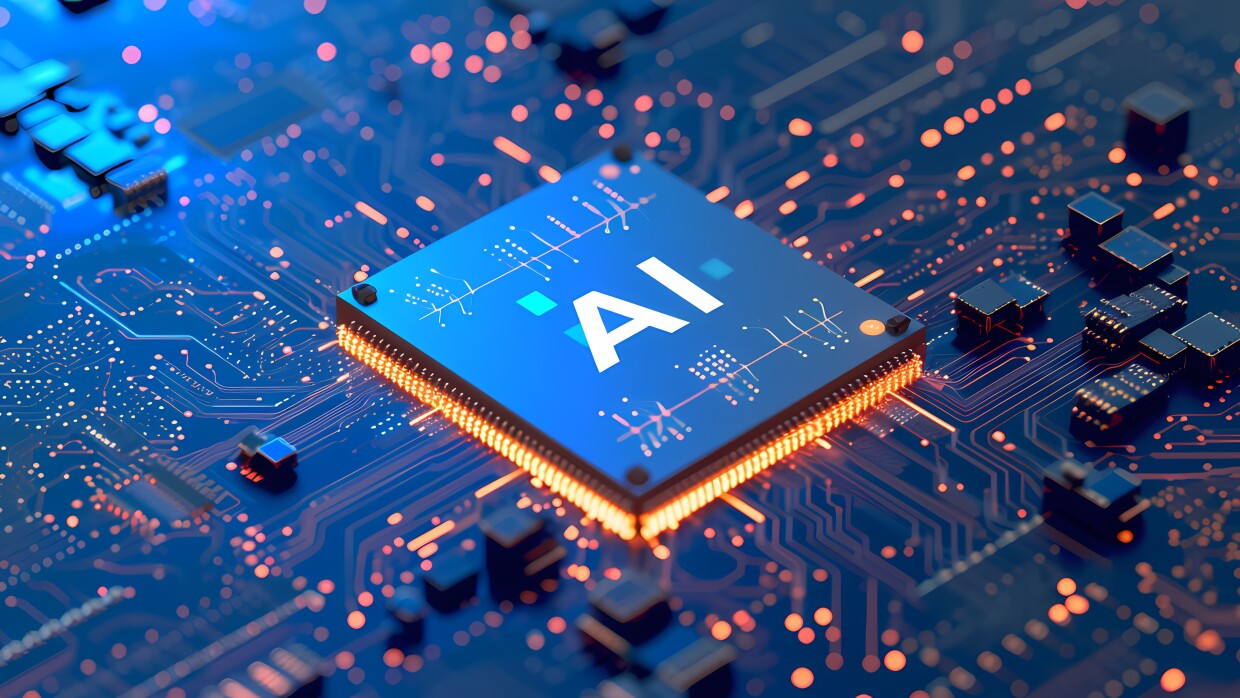
- AI has become one of the most disruptive technologies of our time
- A better question is: What lessons should we learn from this technological revolution before it changes the world of work forever?
Artificial intelligence (AI) is no longer a distant promise confined to science fiction or research laboratories. It has become one of the most disruptive technologies of our time, transforming industries, reshaping workplaces, and redefining the skills needed to succeed in the modern economy. Across the world, AI is writing reports, analysing financial records, diagnosing diseases, answering customer enquiries, translating languages, generating computer code, and automating tasks that once depended entirely on human effort.
For many people, this rapid transformation raises an unsettling question: Will AI replace my job? While the concern is understandable, it is not the most important question. A better question is: What lessons should we learn from this technological revolution before it changes the world of work forever?
The first lesson is that no profession is guaranteed to remain unchanged. Throughout history, technological revolutions have reshaped labour markets. The Industrial Revolution reduced the need for manual labour while creating factory jobs. The computer age replaced many paper-based occupations but gave birth to careers in information technology, software development, and digital communications. Artificial intelligence is following the same pattern, but at a much faster pace.
Routine clerical work, data entry, bookkeeping, customer support, and many administrative tasks are increasingly being automated. Even professions once considered untouchable, including law, medicine, journalism, finance, and engineering, are evolving as AI becomes a powerful workplace assistant.
The second lesson is that learning must never stop. In previous generations, earning a diploma or university degree often guaranteed a stable career for decades. That reality is fading. Today, knowledge and technology evolve so rapidly that workers must continually update their skills to remain relevant. Lifelong learning is no longer a personal advantage; it is becoming a professional necessity. Those who embrace continuous education, digital literacy, and emerging technologies will be better prepared to navigate an economy where change is constant.
ALSO READ:
Thieves raid Amagoro Comprehensive School, steal 27 laptops worth Ksh400,000
Parents also have an important lesson to learn. For years, many have encouraged their children to pursue careers based mainly on prestige or tradition. Yet the jobs that dominate tomorrow’s economy may not even exist today. Instead of focusing solely on titles such as doctor, lawyer, or accountant, parents should encourage curiosity, creativity, resilience, and problem-solving. These qualities enable young people to adapt as new opportunities emerge. A child who learns how to think critically and embrace innovation will be better equipped than one who simply memorises facts for examinations.
Teachers, too, should view AI as a partner rather than a competitor. Artificial intelligence can reduce administrative workloads, personalise learning, generate teaching resources, and help identify learners who need additional support. However, technology cannot replace the human qualities that define excellent teaching, mentorship, empathy, inspiration, moral guidance, and the ability to nurture confidence and character. Education must therefore focus on developing learners who can work alongside intelligent technologies instead of competing against them.
This is where Competency-Based Education (CBE) becomes increasingly relevant. Beyond academic achievement, learners need practical skills such as communication, collaboration, critical thinking, creativity, digital literacy, and adaptability. These are the competencies employers increasingly seek because they complement, rather than compete with, artificial intelligence. Schools that cultivate innovation and problem-solving will prepare learners not only for today’s jobs but also for careers that have yet to be created.
Governments and employers also have a responsibility. Investing in digital infrastructure, technical education, vocational training, research, and workforce reskilling will be essential to ensure that technological progress benefits society as a whole. Businesses should not see AI merely as a tool for reducing payroll costs. The most successful organisations will be those that combine advanced technology with well-trained, adaptable employees who can use AI to improve productivity, creativity, and service delivery.
ALSO READ:
Police pursue Kisii trader accused of luring schoolgirls as villagers torch his home
Perhaps the greatest lesson of all is that adaptability is becoming the new job security. The future will not belong to those who resist change, but to those who embrace it with confidence and a willingness to learn. Artificial intelligence cannot fully replicate human empathy, ethical judgment, leadership, creativity, and complex decision-making. These uniquely human qualities will remain indispensable even as machines become more capable.
Rather than fearing artificial intelligence, we should prepare for it. Every technological revolution has eliminated some occupations while creating others. AI will be no different. It will replace certain tasks, transform many professions, and generate entirely new career opportunities that we cannot yet fully imagine. The challenge before us is not to compete against intelligent machines but to develop the skills that enable us to work effectively with them.
The AI revolution is already underway, and it will not slow down for those who are unprepared. The workers, parents, teachers, students, institutions, and nations that invest in continuous learning, innovation, and adaptability will be best positioned to thrive in the decades ahead. In this new era, the greatest qualification will not simply be a degree or years of experience; it will be the willingness to learn, unlearn, and learn again.
By Hillary Muhalya
You can also follow our social media pages on Twitter: Education News KE and Facebook: Education News Newspaper for timely updates.
>>> Click here to stay up-to-date with trending regional stories
>>> Click here to read more informed opinions on the country’s education landscape
>>> Click here to stay ahead with the latest national news.