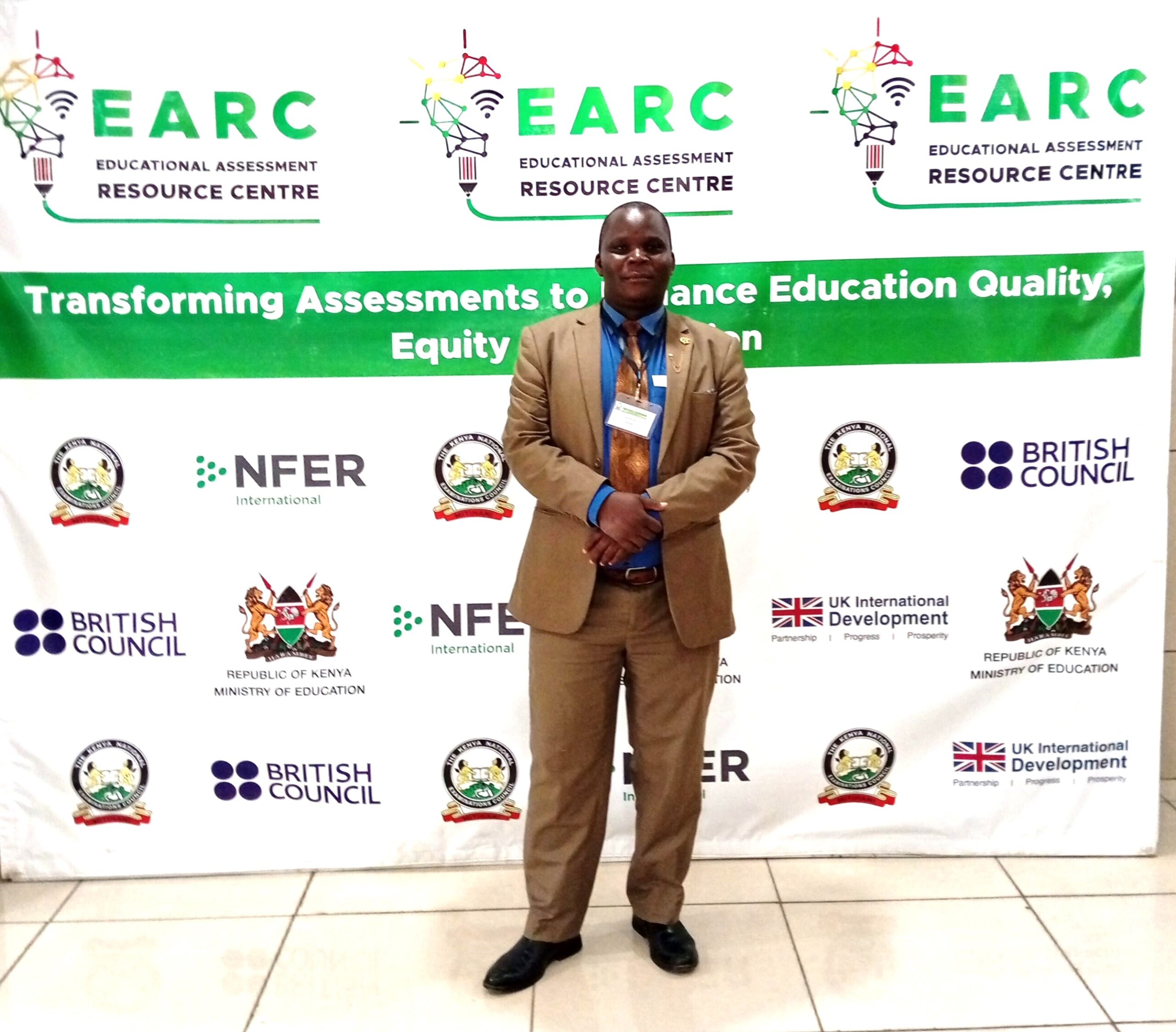
- As Kenya honours outstanding teachers, Hillary Muhalya argues recognition must extend beyond trophies and certificates.
- He says career progression, staffing, workload and professional development determine whether teachers can sustain excellence.
- Muhalya argues genuine appreciation requires policies that support both exceptional educators and ordinary classroom teachers.
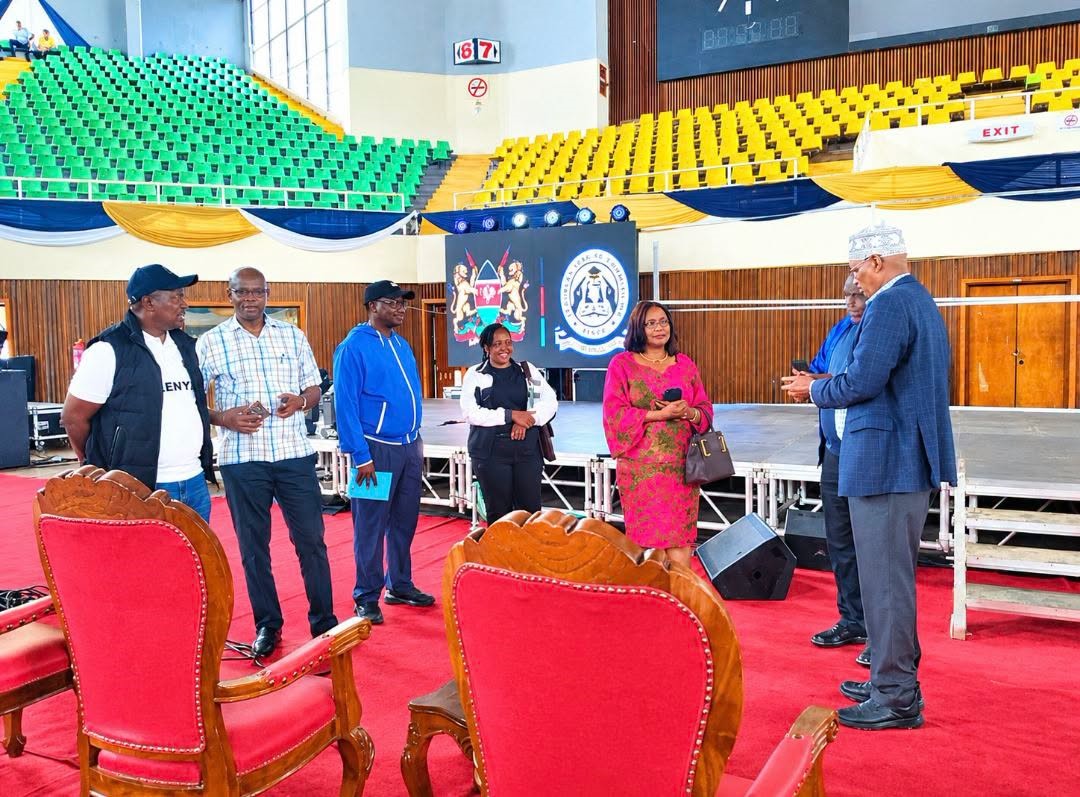
Nairobi will on Monday, October 5, take centre stage as Kenya honours teachers whose innovation, leadership, resilience and commitment have transformed learners and schools. But as the trophies and certificates are handed out during the 2026 World Teachers’ Day celebrations, a more difficult question will confront the profession: can Kenya’s public praise for teachers be matched by action on the career, workload and welfare challenges confronting them?
The timing makes the celebrations particularly significant.
The awards come as the teaching profession navigates major changes in Kenya’s education system, including the continued implementation of Competency-Based Education, the expansion of junior secondary and preparations for senior school. At the same time, teachers continue to raise concerns around promotions, deployment, professional development, staffing and working conditions.
The celebrations are therefore about more than recognising a few outstanding educators.
They provide a window into the reality of an entire profession.
The teachers being honoured represent some of the best work taking place in Kenyan classrooms. Their achievements span innovation, mentorship, inclusive education, child protection, talent development, school leadership, resilience and the use of technology to improve learning.
Such recognition matters.
Excellence often happens away from the spotlight
Teaching is a profession in which some of the most consequential work is rarely visible beyond the classroom.
It is the teacher who notices that a normally active learner has suddenly become withdrawn.
It is the teacher who stays behind to explain a difficult concept to a child who is struggling.
It is the teacher who encourages a learner from a troubled home not to abandon school.
It is the teacher who identifies a child with additional learning needs and refuses to allow that learner to disappear into the crowd.
It is the teacher who improvises when resources are scarce, mentors a younger colleague and returns to class the following morning despite personal difficulties.
Some of these educators will receive awards.
Thousands more will never stand on a national stage.
Yet their contribution is what keeps schools functioning.
This is why the Nairobi celebrations should also prompt a broader discussion about what it really means to value teachers.
Kenya increasingly expects more from educators.
The shift towards Competency-Based Education has changed how teachers are expected to plan, teach and assess. Junior secondary has introduced new questions around deployment, professional identity and career progression. Senior-school preparations will bring additional responsibilities.
The teacher is no longer viewed simply as a transmitter of knowledge.
Teachers are expected to facilitate learning, assess competencies, integrate technology, nurture values, support vulnerable learners, engage parents, identify emerging problems and contribute to the wider development of children.
The expectations are legitimate.
But expectations must be accompanied by support.
A curriculum document cannot implement itself.
A policy cannot walk into a classroom.
A reform cannot motivate a discouraged learner.
Ultimately, every education reform reaches the child through a teacher.
That is why teacher welfare is not a side issue in education policy. It is part of education policy itself.
A teacher who receives a promotion is being told that experience and performance matter.
A teacher who receives meaningful professional development is being told that the country is prepared to invest in the quality of instruction.
A school that receives adequate staffing is better positioned to implement reforms.
A teacher who is fairly deployed and given a credible career pathway is more likely to see teaching as a profession with a future rather than simply a job.
This is where the celebration and the unresolved welfare debate meet.
Teachers do not need recognition instead of better working conditions.
They need both.
A trophy can acknowledge an achievement.
A functioning career structure can sustain that achievement.
A certificate can provide encouragement.
Adequate resources can make excellence possible.
A speech can describe teachers as the backbone of education.
Effective policy can demonstrate it.
The challenge is particularly important in discussions around career progression.
For many teachers, professional growth should not require abandoning the classroom for administration. An experienced classroom teacher can be an expert in pedagogy, mentorship, curriculum implementation and learner support without becoming a school administrator.
A profession that values expertise should create room for teachers to advance while remaining excellent classroom practitioners.
This is also why the celebration of individual excellence should not create the impression that only award winners matter.
There are teachers working far from Nairobi whose achievements may never attract a national award.
They teach in difficult environments.
They handle large and diverse classes.
They travel long distances.
They support children facing poverty, family instability and other pressures.
They prepare lessons, mark books, manage administrative responsibilities and mentor learners long after the formal school day has ended.
Their reward may come years later when a former learner returns to say that a teacher changed the direction of their life.
There may be no certificate for that moment.
But it is one of the most powerful measures of educational success.
Recognition should extend beyond the podium
World Teachers’ Day should therefore celebrate the exceptional without forgetting the ordinary.
It should recognise individual achievement while strengthening the systems that enable millions of other teachers to perform at their best.
That means continuing to examine career progression, staffing, workload, professional development, deployment and the resources available in schools.
It also means listening more closely to teachers themselves.
Those standing before learners every day have a perspective on education reform that cannot be fully captured in policy meetings or official reports.
They know which reforms are working.
They know where learners are struggling.
They know which administrative demands consume valuable teaching time.
They know what support is missing.
Their professional voice should therefore be part of the solution.
None of this diminishes the importance of the Nairobi awards.
The teachers being honoured deserve their moment.
Their achievements should inspire their colleagues and remind the country that despite the pressures facing education, outstanding teaching continues to happen every day.
But recognition should not end at the podium.
The real test begins when the ceremonies are over and teachers return to their schools.
READ ALSO: ECDE teachers face uneven pay, staffing and employment terms across counties
That is when Kenya must demonstrate that its respect for teachers is not merely ceremonial but institutional.
Celebrate the exceptional—but build a system that enables every teacher to excel.
READ ALSO: ECDE teachers face uneven pay, staffing and employment terms across counties
That would turn World Teachers’ Day from an annual celebration into a lasting statement about the value Kenya places on the people entrusted with educating its children.
Hillary Muhalya
Get more stories from our website: Education News
To write to us or offer feedback, you can reach us at: editor@educationnews.co.ke
You can also follow our social media pages on Twitter: Education News KE and Facebook: Education News Newspaper for timely updates.
>> Click here to stay up-to-date with trending regional stories