- CEMASTEA has trained 302 teachers to strengthen lesson study and collaborative professional learning across Kenyan schools.
- The programme equips school champions to identify learning gaps and improve classroom practices through collaborative inquiry.
- Quality assurance officers will support schools to institutionalise lesson study and sustain continuous teacher professional development.
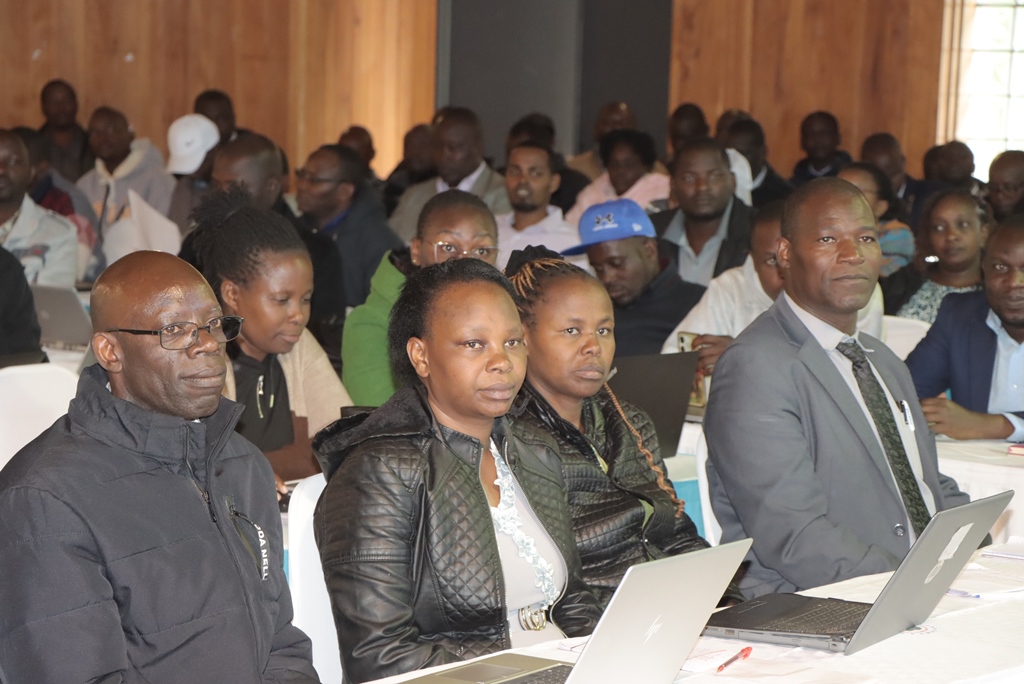
The Centre for Mathematics, Science and Technology Education in Africa (CEMASTEA) has brought together 302 teachers from Kenya’s 47 counties and 47 County Quality Assurance and Standards Officers for training aimed at strengthening the implementation of Lesson Study in schools.
The training, held under the theme “Building Professional Learning Communities through Lesson Study for Improved Classroom Practice,” targets School Level Lesson Study Champions who are expected to spearhead the adoption and sustainability of Lesson Study within their schools.
The programme seeks to strengthen teachers’ capacity to identify learners’ learning gaps, develop appropriate teaching strategies, plan and implement lessons to address those gaps, and collect evidence of learners’ progress.
Participants are also being equipped with skills to develop Lesson Study reports and deepen their understanding of how Lesson Study can contribute to improved teaching practices and learner outcomes.
CEMASTEA Board of Governors Chairman Dr Pius Mutisya, who opened the training, said Lesson Study gives teachers a structured opportunity to work collaboratively, plan lessons, observe how learners respond, reflect on the teaching and learning process, and refine their approaches.
He said the approach transforms professional development from an individual activity into a collaborative process of inquiry and continuous improvement.
“The changing needs of our learners require teachers to continuously reflect on and improve their classroom practice. Professional development should therefore be a continuous process through which teachers learn, collaborate, reflect and innovate,” Dr Mutisya said.
He urged the 302 Lesson Study Champions to use the training to promote a culture of collaborative professional learning in their schools.
“Your role is not simply to participate in Lesson Study, but to mobilise and encourage your colleagues to embrace it as an ongoing professional practice,” he said.
Dr Mutisya noted that Professional Learning Communities provide teachers with opportunities to share experiences, examine classroom challenges, learn from one another and collectively identify ways of improving teaching and learning.
He emphasised that the learner should remain at the centre of Lesson Study, noting that professional discussions should ultimately focus on how teaching can better enable learners to understand, participate, think critically and apply what they learn.
Quality assurance officers to support schools
The County Quality Assurance and Standards Officers participating in the training will play a key role in supporting the institutionalisation and sustainability of Lesson Study at school level.
Dr Mutisya urged the officers to work closely with Lesson Study Champions and schools by providing professional support, sharing good practices and facilitating continuous improvement.
He said their role should go beyond monitoring standards to include supporting teachers and schools in strengthening the quality of teaching and learning.
CEMASTEA Acting Chief Executive Officer Gladys Masai said Lesson Study enables teachers to learn from one another, examine their teaching practices, identify learners’ needs and develop solutions for improving classroom instruction.
She said the 302 Lesson Study Champions have an important responsibility in establishing and sustaining Professional Learning Communities within their schools.
Masai said such communities provide teachers with opportunities to collaborate regularly, share experiences, reflect on their practices and use evidence to improve teaching and learning.
Sustaining lesson study in schools
CEMASTEA has implemented Lesson Study programmes with teachers over the years. However, the institution has identified the need to strengthen its institutionalisation at school level.
The involvement of County Quality Assurance and Standards Officers in the current programme is therefore intended to provide additional professional support and help sustain Lesson Study practices within schools.
Lesson Study is a collaborative professional development approach in which teachers jointly identify learning challenges, plan lessons, observe classroom practice and reflect on evidence of learners’ understanding to improve subsequent teaching.
READ ALSO: Education reform hearings conclude after covering all 47 counties
The approach places continuous professional learning within the school environment, allowing teachers to learn from classroom experiences and their colleagues rather than relying solely on external training programmes.
By Obegi Malack
Get more stories from our website: Education News
To write to us or offer feedback, you can reach us at: editor@educationnews.co.ke
You can also follow our social media pages on Twitter: Education News KE and Facebook: Education News Newspaper for timely updates.
>> Click here to stay up-to-date with trending regional stories