- Parliament has concluded nationwide public participation on six Bills proposing major changes across Kenya’s education system.
- Stakeholders in Bomet raised concerns over school governance, funding, staffing, teacher training and tertiary financing.
- The committee will now consider submissions gathered countrywide before preparing its report on the proposed reforms.
The National Assembly Departmental Committee on Education has completed a nationwide public participation exercise on six proposed Education Reform Bills after taking the process to all 47 counties.
The exercise, which began on September 14, concluded in Bomet and Samburu on Friday, giving teachers, parents, learners, school administrators, education officials, university staff and other stakeholders an opportunity to present their views on the proposed changes.
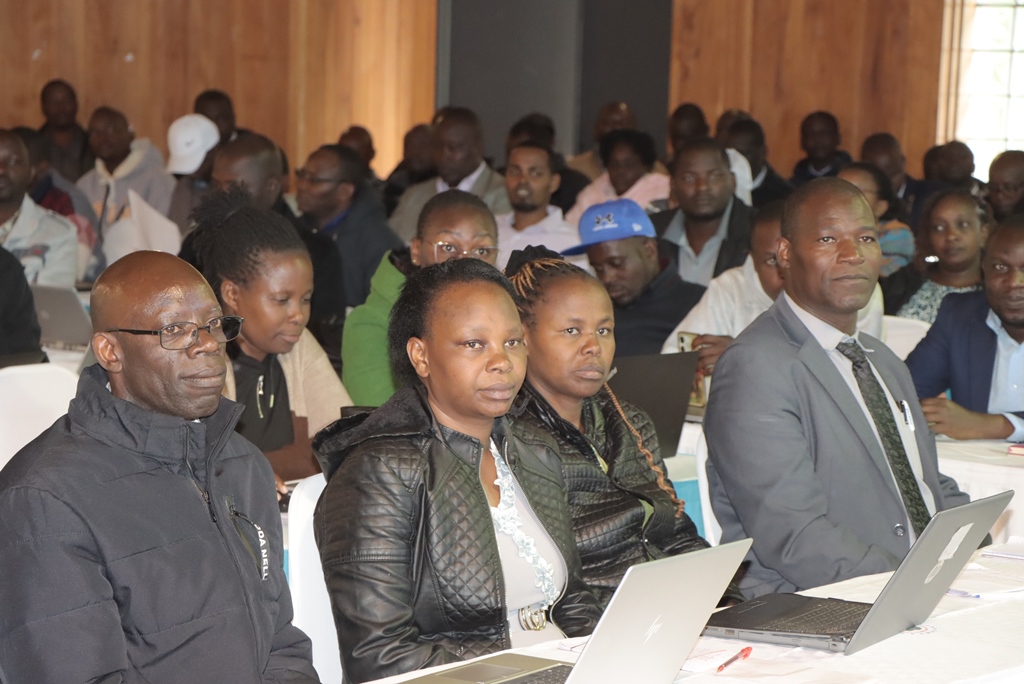
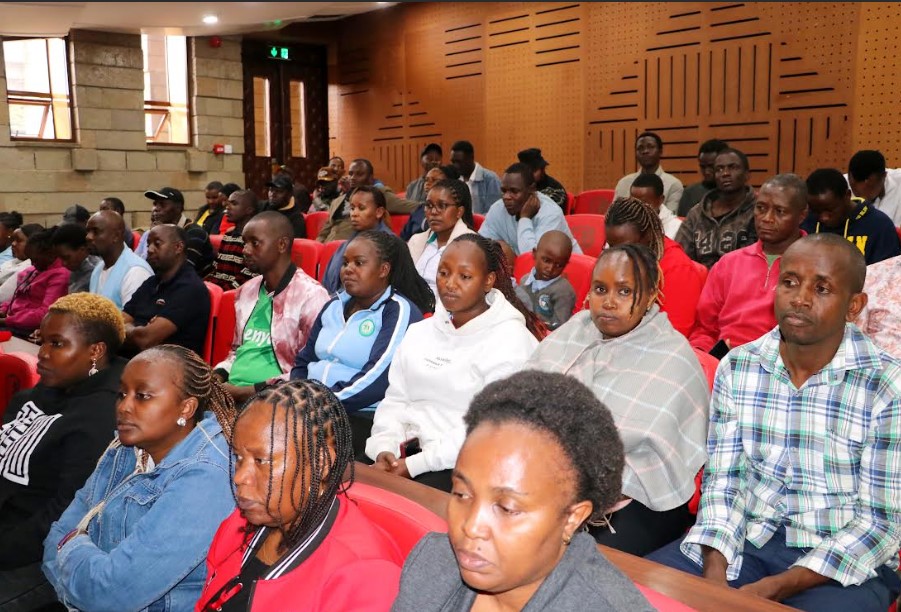
The Bomet forum was held at Bomet University College, where stakeholders raised concerns ranging from school financing and staffing to governance, quality assurance, teacher training and student funding.
The six Bills under consideration are the Basic Education Bill, 2026; Tertiary Education, Placement and Funding Bill, 2026; Kenya National Educational Assessments Council Bill, 2026; Pre-Service Education and In-Service Training Bill, 2026; Kenya National Qualifications Framework (Amendment) Bill, 2026; and Kenya Institute of Curriculum Development (Amendment) Bill, 2026.
One of the major issues raised during the Bomet engagement was the proposed comprehensive school model, which would bring Early Childhood Development Education, primary and Junior School education under one management structure.
The Kenya National Union of Teachers (KNUT) backed the comprehensive school model but called for the chairperson of the County Education Board to be a professional with relevant education-sector experience.
The Kenya Union of Post-Primary Education Teachers (KUPPET), however, renewed its call for greater autonomy for Junior Schools, arguing for clearer administrative structures for the institutions.
The union also called for minimum government funding for schools with low enrolment to ensure that institutions serving small populations are not disadvantaged by funding models based largely on learner numbers.
School heads, represented by the Kenya Primary School Heads Association (KEPSHA) and Kenya Secondary School Heads Association (KESSHA), called for increased capitation, adequate financing for co-curricular activities and additional teachers to support implementation of Competency-Based Education (CBE).
Parents also presented proposals, including a call for Parents Associations to be granted corporate status to give them a clearer legal framework and defined responsibilities in school governance.
Universities raise funding concerns
At the tertiary level, the Universities Academic Staff Union (UASU) called for transparency in the proposed student funding framework and urged the Government to conduct an impact assessment before implementing the new funding model.
The Tertiary Education, Placement and Funding Bill proposes a new framework for financing and placement of students in tertiary institutions, including the establishment of the Tertiary Education Funding Authority (TEFA).
The proposed framework is among measures Parliament is considering to reorganise tertiary education financing, with the proposed authority expected to consolidate functions currently undertaken by the Higher Education Loans Board, Universities Fund and TVET Funding Board.
A student leader from Bomet University College separately called for timely release of student funding, saying learners should receive financial support before the beginning of each semester to enable them to plan for their studies.
The student representative also proposed an increase in the scholarship component of tertiary education financing to cushion needy learners from financial difficulties.
Quality assurance was another key issue at the forum, with Ministry of Education officials calling for stronger inspection mechanisms across learning institutions.
Officials proposed that education inspectors should have stronger powers to intervene where institutions fail to comply with required standards, including circumstances where non-compliance presents an imminent danger to learners.
Stakeholders further called for the retention of the National Education Board, greater representation of persons with disabilities in education governance and clearer separation of audit functions from quality assurance.
The proposed reforms also seek to reorganise teacher preparation and professional development. The Pre-Service Education and In-Service Training Bill, 2026, is among the six pieces of legislation being considered as Parliament seeks to provide a new framework for teacher preparation and continuing professional development.
Committee moves to next stage
The public participation exercise was initially scheduled to cover 31 counties between September 14 and September 25. Parliament later extended the programme to October 2, adding 16 counties and bringing the process to all 47 counties.
The additional hearings covered West Pokot, Marsabit, Mandera, Nandi, Bungoma, Garissa, Busia, Lamu, Vihiga, Kitui, Siaya, Migori, Tharaka-Nithi, Nyamira, Bomet and Samburu.
The committee is chaired by Tinderet MP Julius Melly, with the views collected from across the country expected to inform its consideration of the Bills and any proposed amendments.
With the public hearings now concluded, the committee is expected to retreat to consider the submissions before preparing its report and recommendations for consideration by the National Assembly.
The Bills cover major areas of the education system, including basic education governance, tertiary funding and placement, national assessments, teacher training, qualifications and curriculum development.
READ ALSO: Cockpit chaos at 34,000 feet: How teamwork and courage averted disaster aboard Flydubai flight FZ1073
The completion of the 47-county exercise therefore marks a key stage in the legislative process, with Parliament now expected to weigh the concerns and recommendations presented by education stakeholders before the proposed reforms proceed to the next stage.
By Jeff Kirui
Get more stories from our website: Education News
To write to us or offer feedback, you can reach us at: editor@educationnews.co.ke
You can also follow our social media pages on Twitter: Education News KE and Facebook: Education News Newspaper for timely updates.
>> Click here to stay up-to-date with trending regional stories