- Stakeholders have called for sweeping education reforms to ensure equitable access for vulnerable learners, including refugees, disabled children and those in informal settlements.
- The Muslim Education Council and United APBET Schools Association have urged Parliament to formally recognise APBET institutions and mainstream them into the public education system.
- Stakeholders have raised concerns over tertiary financing, discipline policies and parental participation, with the committee assuring that all views will be captured in its report.
Stakeholders in Nairobi County have called for sweeping reforms to ensure equitable access to education for children from vulnerable and marginalised groups, including learners in informal settlements, refugees and those living with disabilities.
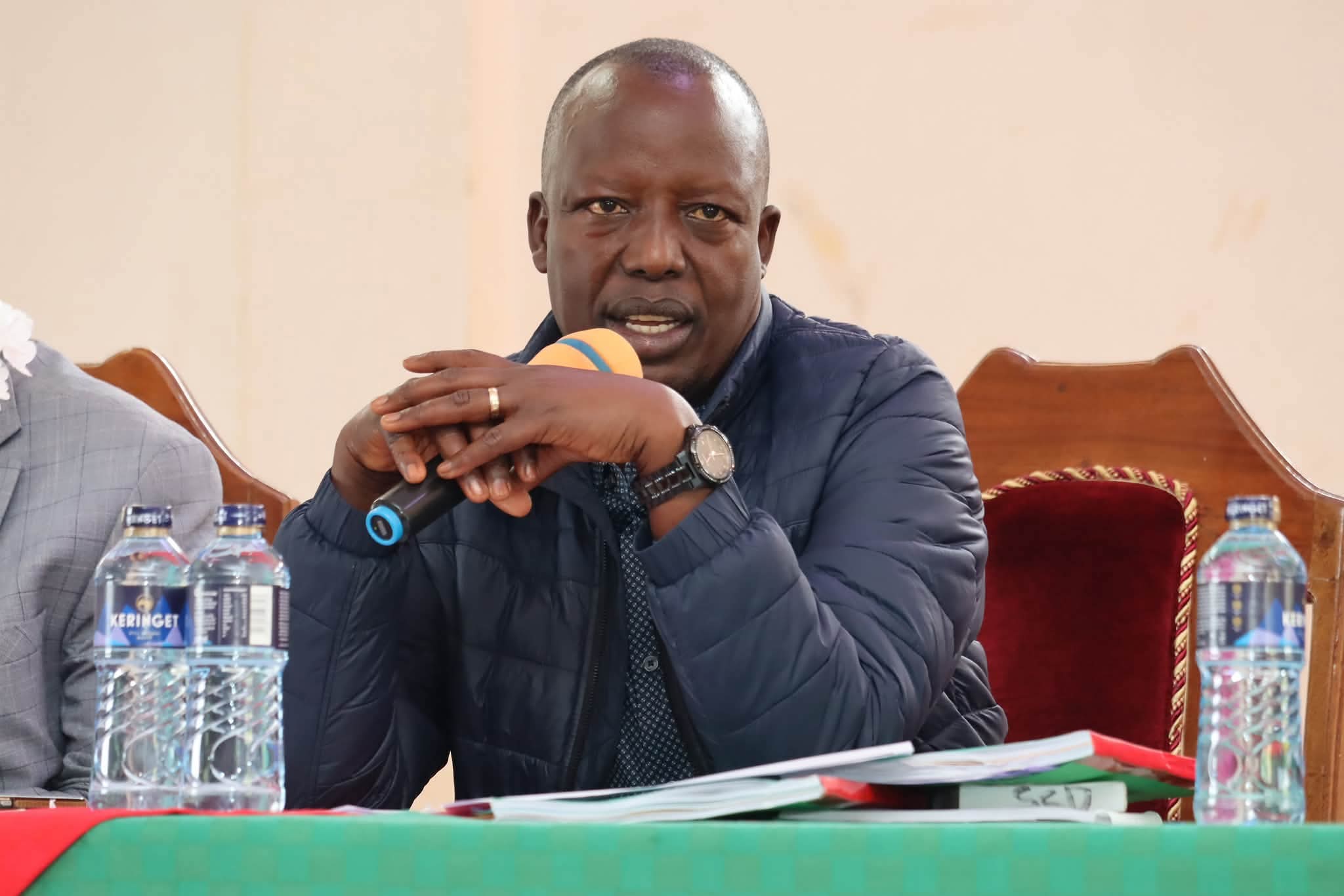
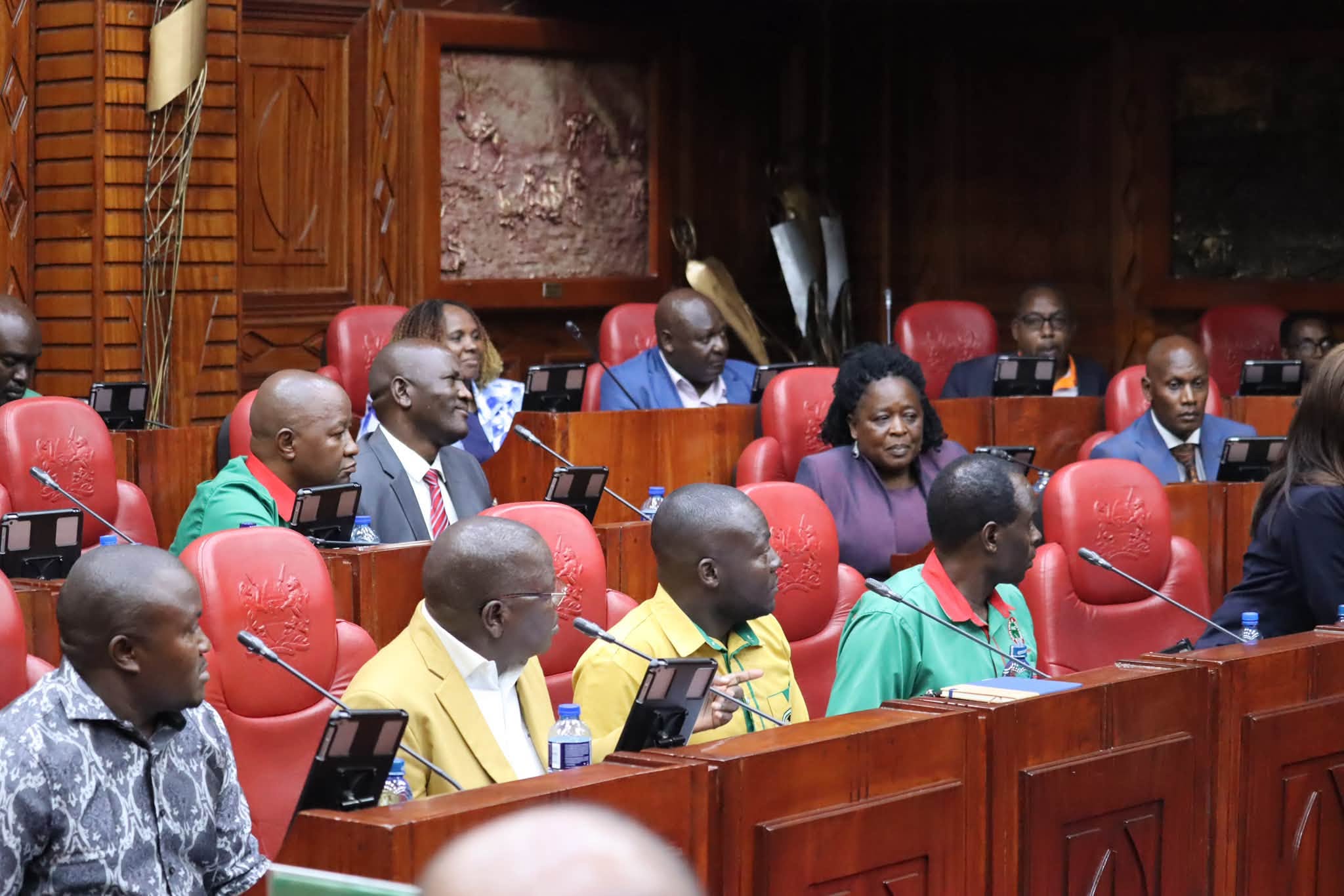
The stakeholders made the proposals on Friday during the fifth day of public participation on the proposed Education Reform Bills held at County Hall, Nairobi.
The session, chaired by Mandera South MP Abdul Haro, brought together education stakeholders who submitted views on the proposed Basic Education Bill and other legislation seeking to reform the education sector.
The Muslim Education Council called for the proposed Basic Education Bill to explicitly recognise the 2-6-3-3 education structure and Alternative Provision of Basic Education and Training (APBET). The council also proposed flexibility as an additional guiding principle of the education system, to accommodate learners with diverse needs and circumstances.
The United APBET Schools Association similarly urged Parliament to recognise APBET institutions in law and provide clear provisions on their registration, capitation and access to bursaries. The association cautioned that repeal of existing laws should not undermine administrative gains already achieved by APBET institutions.
Former MP Antony Oluoch said APBET should be mainstreamed into the public education system instead of being treated as private education. “APBET is not an attempt to create a third tier of education. It is a way to mainstream APBET so that they can receive funding from the government,” Oluoch said.
ALSO READ:
CUE flags sharp rise in Fifth-Year university students as completion concerns grow
Protection for Refugees, Vulnerable and Disabled Learners
Budget Champions Nairobi called for specific provisions covering refugee and asylum-seeking learners, including stateless and displaced children. The Westlands Peace and Integration Project urged the Government to recognise and support refugee learning centres and strengthen protection for children affected by gender-based violence. Refugee women also called for a clear pathway for registration of qualified refugee teachers and recognition of their professional qualifications to enable them to contribute to the education sector.
Representatives of learners with disabilities called for accessible learning environments and stronger support systems for vulnerable learners. Cradle proposed specific protection measures for intersex children, learners with incarcerated parents and street-connected children.
On parental participation, the Parents Association called for the establishment of an independent National Parents Association and stronger mechanisms to empower parents to participate in education governance.
Teacher Training, Tertiary Financing and Discipline Reforms
The Centre for Mathematics, Science and Technology Education in Africa (CEMASTEA) called for its in-service teacher training mandate to be anchored in the Basic Education Bill and for the institution to be made independent.
Stakeholders also raised concerns about tertiary education financing, calling for clear provisions on scholarships and grants, timely disbursement of funds, and fair loan repayment mechanisms. They further urged Parliament to establish safeguards to ensure that vulnerable learners are not unnecessarily burdened by education-related debt.
On discipline, the Parents Association called for an explicit prohibition of corporal punishment and the reintroduction of guidance and counselling programmes in schools. Other stakeholders called for clearer disciplinary structures to ensure that schools address learner discipline while protecting children’s rights.
ALSO READ: Rigena Comprehensive School headteacher arrested over allegations of impregnating four pupils
Those who made submissions included the Christian Council of Elders, Kenya Private Schools Association, Nairobi County Education Board, Education Stakeholders Association of Kenya, National Council of Churches of Kenya, IPNED, Catholic Diocese of Nairobi, Evangelical Alliance of Kenya, National Association of Christian Chaplains, Junior Secondary School representatives, Kenya National Union of Teachers, Kenya Primary School Heads Association, Kenya Secondary School Heads Association, Elimu Bora Working Group, Mtoto News International, Association of Religious Practitioners Professionals, Home Education Reforms Initiatives and Mathare Light of Hope Away from Home.
The committee said it had taken note of the concerns and recommendations raised during the public participation and assured stakeholders that their views would be considered and captured in its report.
By Kithinji Njeru
Get more stories from our website: Education News
To write to us or offer feedback, you can reach us at: editor@educationnews.co.ke
You can also follow our social media pages on Twitter: Education News KE and Facebook: Education News Newspaper for timely updates.
>> Click here to stay up-to-date with trending regional stories