- The Auditor General has urged school heads to respond to audit findings rather than deflect attention amid allegations of bribery by OAG officers.
- The Office has defended its integrity and constitutional mandate, citing internal complaint channels
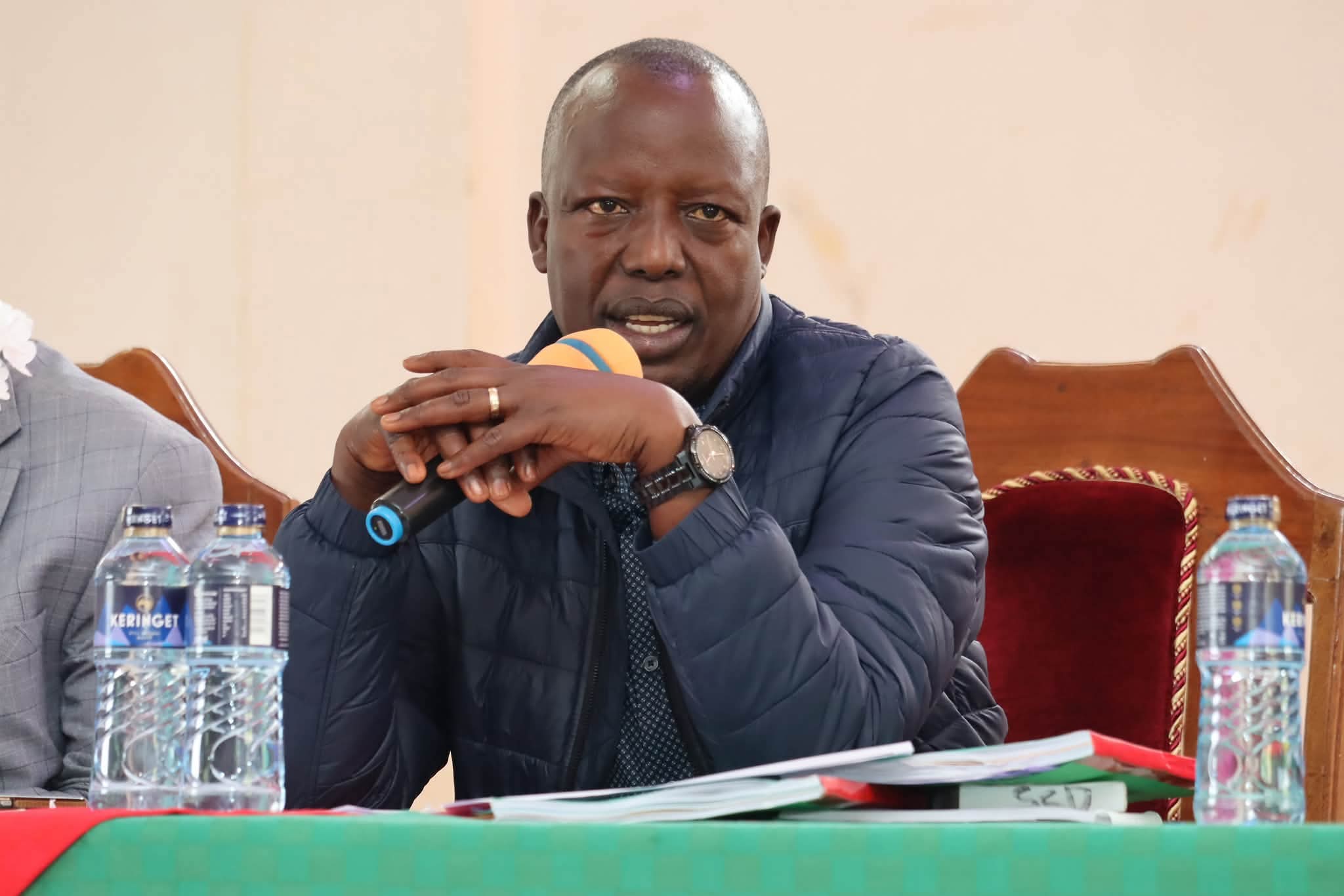
- KUPPET chairman Omboko Milemba has called for an independent investigation and a comparison between MoE and Auditor-General school audit reports.
The Office of the Auditor General (OAG) has pushed back against allegations that its officers have been demanding money from school principals in exchange for favourable audit reports, urging school heads instead to engage directly with the financial and management concerns raised in audit findings.
The response comes after reports surfaced alleging that some public school principals were pressured to pay amounts ranging from Sh400,000 to Sh1.5 million to secure clean audit outcomes or to have negative findings suppressed. According to those reports, some school heads said they were initially asked to pay Sh500,000 simply to appear before auditors, with a second group of officers reportedly approaching them afterwards, claiming responsibility for finalising the report and demanding further payment.
The alleged amounts were said to vary by school size, with small and medium institutions reportedly targeted for around Sh500,000, while larger national schools were allegedly asked for between Sh1 million and Sh1.5 million or more.
In a statement, the OAG said it takes such allegations seriously, stating that its work is anchored on integrity, credibility, relevance, accountability and independence. “We therefore treat the allegations on the integrity of our staff with utmost seriousness,” the OAG said, adding that it maintains internal channels through which complaints about staff conduct can be raised, and that alleged misconduct can also be reported to investigative agencies such as the Ethics and Anti-Corruption Commission (EACC).
Kenya Union of Post Primary Education Teachers (KUPPET) chairman and Emuhaya MP Omboko Milemba has called for an independent investigation to determine whether the audit process had been compromised, and proposed comparing internal audits conducted by the Ministry of Education against reports produced by the Auditor General.
The OAG said it began auditing public schools as an independent external auditor during the 2022/2023 financial year. Since then, its audits have flagged concerns relating to the keeping of financial records, school funding, enrolment records, expenditure management, risk management and compliance with laws and regulations governing the use of public resources. The Office noted that these issues have become a major part of public discussion since Parliament began considering audit reports on schools three weeks ago.
ALSO READ:
MoE rolls out second phase of e-GP training for public secondary schools
Rather than deflecting attention from the concerns raised, the OAG urged school heads to respond directly to audit findings, as other public entities have done. “We, therefore, urge the school heads to respond to the audit findings in our reports, as other public entities have been doing, and desist from deflecting attention from the audit issues raised, which, if well resolved, would enable them to manage the schools more efficiently and effectively in support of the education needs and aspirations of the learners and the country,” the OAG said.
The Auditor General also defended its constitutional mandate to monitor public resources, including funds transferred to private entities. It cited a High Court judgment in Petition No. 33 of 2019, delivered on January 26, 2022, which affirmed that public funds transferred to private entities remain subject to audit by the Auditor General. The Office said the court found that such funds do not lose their public character simply because they are held or administered by private entities, ensuring continued oversight, accountability, transparency and compliance with public finance management principles.
ALSO READ: Governor Achani launches construction of Rophine International University in Kwale
The OAG described itself as an independent constitutional accountability institution responsible for the oversight of public resources, reporting to citizens through Parliament and county assemblies as provided under Article 229 of the Constitution. “No public entity is exempted from accountability, transparency and good governance on the use and management of public resources,” it said.
The Office added that its responsibility includes auditing the use and management of public resources and reporting its findings and recommendations to Parliament, county assemblies and, by extension, the citizens they represent. It further stated that it provides advisory audit services to public entities to help strengthen internal controls, improve compliance with laws and regulations, maintain proper financial records and support improved service delivery.
By Masaki Enock
Get more stories from our website: Education News
To write to us or offer feedback, you can reach us at: editor@educationnews.co.ke
You can also follow our social media pages on Twitter: Education News KE and Facebook: Education News Newspaper for timely updates.
>> Click here to stay up-to-date with trending regional stories