- Hillary Muhalya examines a High Court ruling upholding Oshwal Academy’s six per cent fee increase.
- The judgment highlights the role of procedure, parental participation and evidence when private-school fees are reviewed.
- It also raises wider questions about affordability, transparency and accountability in Kenya’s private education sector.
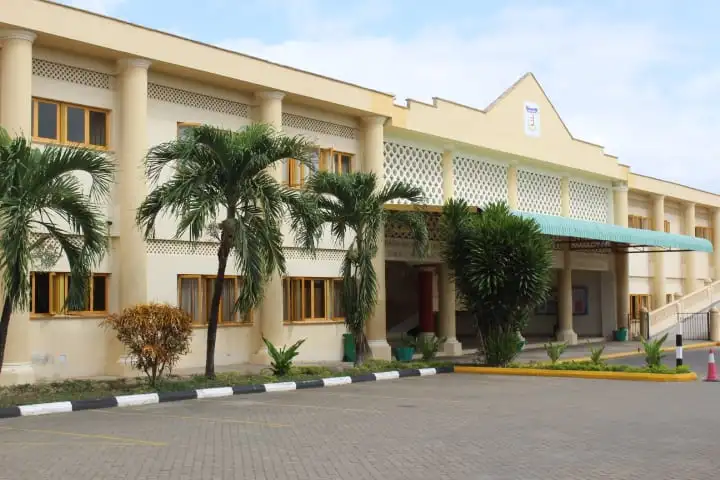
A six per cent fee increase at Oshwal Academy has put a crucial question before Kenya’s education sector: how much freedom does a private school have to review its fees, and what process must it follow before parents are required to pay more?
The High Court has upheld the fee increase after two parents challenged the revised charges for the 2026/2027 academic year.
The petition focused on the process used to approve the increase and the role of the school’s parents’ body.
The parents argued that the increase had been introduced without meaningful participation through a legally recognised Parents Association. They also questioned the composition and functioning of the school’s parents’ body, relying on provisions of the Basic Education Act.
Oshwal Education and Relief Board opposed the petition.
The Board told the court that the increase had been considered and approved during its 84th Annual General Meeting held from May 15 to 17, 2026.
It said parents and learners participated in the process and that parents received a notice dated May 29, approximately three months before the revised fees took effect.
The school attributed the increase to higher operating costs, including fuel, electricity, water and maintenance, as well as expenditure on staff and professional personnel, learning resources, digital tools, facilities and student safety.
Justice David Mburu found that the parents had standing to bring the petition and that the constitutional questions they raised could be considered by the High Court.
However, the judge found that Oshwal had presented evidence of the process followed before the increase was approved.
The petitioners did not provide sufficient evidence to establish illegality, irrationality or procedural impropriety.
The court therefore upheld the school’s decision and dismissed the petition, with each party ordered to bear its own costs.
The court also found no sufficient evidence to support claims involving freedom of association and consumer rights. On the right to education, the judgment distinguished the State’s constitutional obligation from the contractual relationship between a private school and its beneficiaries.
What the ruling means
The immediate legal position is straightforward: Oshwal Academy’s six per cent fee increase was upheld because the parents did not establish that the school had acted unlawfully or followed an improper process.
The ruling does not mean every fee increase by every private school will automatically be lawful.
Each dispute would depend on its own facts, including the applicable legal requirements, contractual arrangements, governance structures and evidence of how the decision was reached.
A parent’s disagreement with the amount of an increase is therefore not necessarily the same thing as proving that the increase is unlawful.
For parents considering a challenge to a fee increase, the process behind the decision can be as important as the amount being demanded.
Relevant questions may include:
Was the applicable governance procedure followed?
Was the required notice provided?
Were parents given the participation required under the relevant framework?
Were the school’s contractual obligations observed?
Is there documentary evidence showing how the decision was reached?
The Oshwal case demonstrates the importance of evidence when such questions reach court.
What the case shows private schools
The judgment also highlights the value of maintaining proper records.
In defending the increase, Oshwal relied on evidence concerning its AGM, the decision-making process and communication to parents.
Such records enabled the court to examine how the fee adjustment had been arrived at.
For private schools, clear minutes, resolutions, notices and communications can therefore be important when decisions affecting fees are challenged.
Commentary: Fee disputes sit at the intersection of two competing financial realities.
Private schools incur costs in employing staff, maintaining facilities, purchasing learning resources, providing technology and running their institutions.
Parents, meanwhile, must accommodate school fees within household budgets.
The legality of a particular increase must ultimately be determined by the applicable law and evidence. But the financial impact explains why fee decisions can generate strong reactions from families.
The Oshwal case therefore raises a broader education-policy question: how can private schools maintain financial sustainability while ensuring that parents receive clear information about significant changes in the cost of education?
The bottom line
Fact: The High Court dismissed the parents’ petition and upheld Oshwal Academy’s six per cent fee increase after finding that the petitioners had not established illegality or procedural impropriety.
Commentary: The case highlights the importance of transparent decision-making, proper documentation and clear communication when private schools review their fees.
For parents, the focus should be on both the amount charged and the process used to approve it.
For schools, the case demonstrates why major fee decisions should be properly authorised, documented and communicated.
READ ALSO: Co-op Bank injects KSh10 million into TSC World Teachers’ Day celebrations
The Oshwal ruling settles this particular dispute—but the larger conversation about affordability, transparency and accountability in private education remains important.
By Hillary Muhalya
Get more stories from our website: Education News
To write to us or offer feedback, you can reach us at: editor@educationnews.co.ke
You can also follow our social media pages on Twitter: Education News KE and Facebook: Education News Newspaper for timely updates.
>> Click here to stay up-to-date with trending regional stories