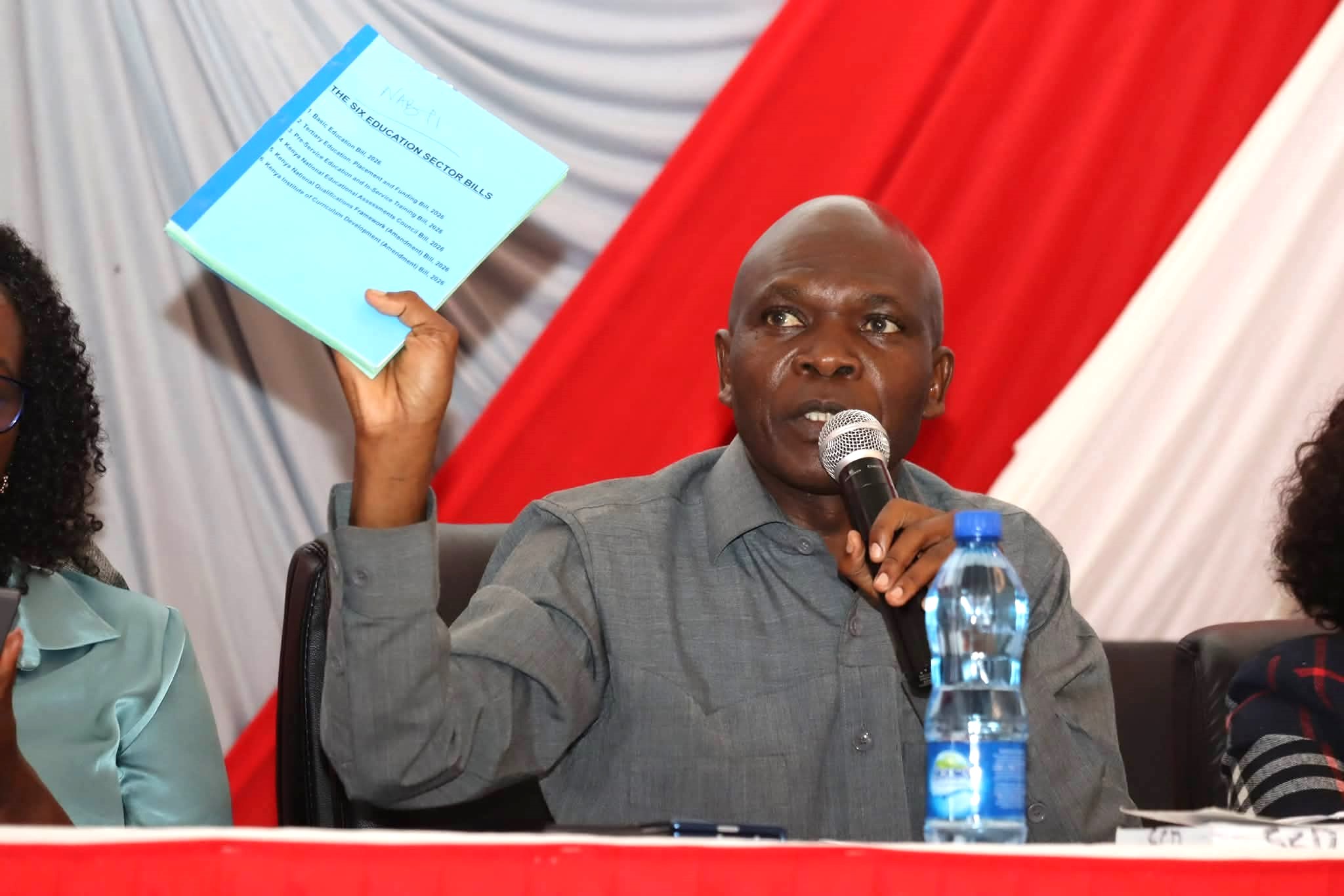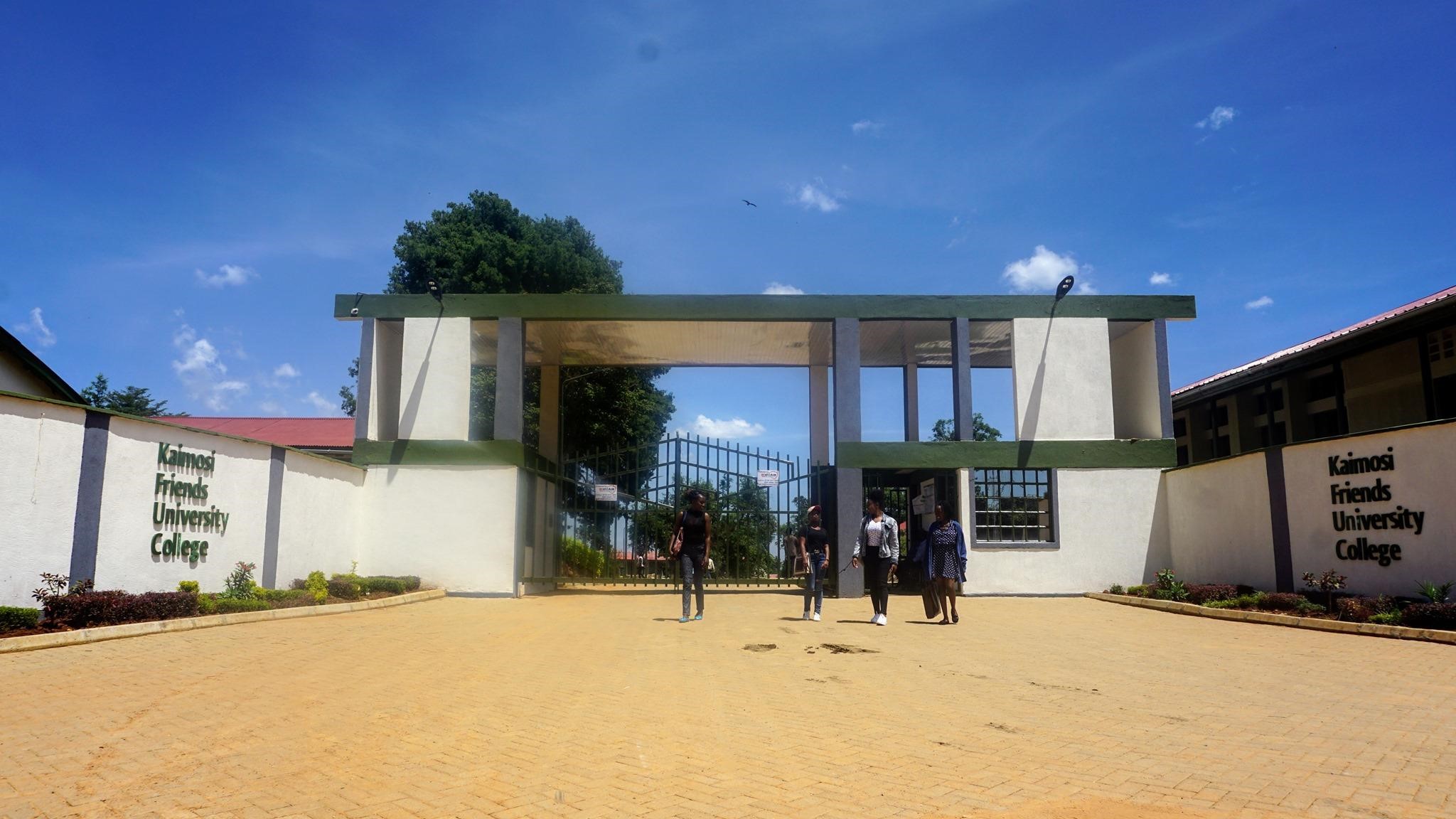
- Yabesh Onwonga argues that recurring lecturers’ strikes expose deeper weaknesses in the governance of public universities.
- He calls for transparent implementation of agreements, predictable financing and clear accountability for commitments made to lecturers.
- With another strike looming, Onwonga says Kenya needs lasting solutions rather than another temporary settlement.
Kenya is once again approaching an entirely avoidable crisis in its universities. Lecturers have issued a seven-day strike notice, with the industrial action scheduled to begin on October 2, 2026, accusing university councils, the Ministry of Education and the National Treasury of failing to honour a return-to-work formula signed on November 5, 2025.
The country should stop pretending this is merely another labour dispute.
It is a warning about how Kenya governs institutions that carry the future of an entire generation.
A university cannot function normally when lecturers are constantly negotiating salaries, allowances and working conditions that should have been settled through credible agreements and predictable financing. Students cannot plan their academic lives around recurring strikes. Parents cannot keep paying fees while wondering whether the semester will actually proceed. And lecturers cannot be expected to teach, research and supervise students effectively while agreements reached after previous disputes remain unresolved.
The most troubling part is not that workers are demanding their dues. It is that Kenya appears to keep repeating the same cycle: negotiations, promises, signatures, implementation gaps, confrontation, strike threats, emergency meetings, temporary settlements—and then another crisis.
That is not industrial relations. That is trial and error masquerading as governance.
If the November 5, 2025 agreement was legally and properly negotiated, the government and university councils should explain clearly why implementation has become such a struggle. If Treasury does not have the money, the public deserves a transparent explanation of the financial position. If universities lack the institutional capacity to meet their obligations, that too should be confronted honestly.
What cannot continue is passing the parcel.
Treasury points to universities. Universities point to Treasury. Officials point to regulations. Councils point to funding. Meanwhile, students sit in the middle of the argument, their semesters and graduation dates becoming collateral damage.
Kenya needs to break this cycle.
The first step is simple: publish the commitments.
Let the public see what was agreed, what has been paid, what remains outstanding, who is responsible for each obligation and what timetable has been established for settlement. A dispute involving public institutions and public money should not depend on rumours, press conferences and competing versions of events.
Second, the government must distinguish between commitments that can be honoured immediately and those requiring phased implementation. If there is a genuine fiscal constraint, put the numbers on the table. Do not make promises today and search for money tomorrow.
Third, university councils must be treated as accountable governing bodies, not convenient buffers between lecturers and the national government. They should have clear financial responsibilities and sufficient information to negotiate realistically.
Fourth, UASU and the government must keep the negotiating table open even after a strike notice is issued. A strike may be a lawful industrial tool, but it should not become Kenya’s default mechanism for forcing the government to implement signed agreements.
And there is another uncomfortable question.
How many times can Kenya afford to repair the same broken system?
Hidden costs of university strikes
Every strike carries hidden costs. Lost teaching time is only the beginning. Research is disrupted. International collaborations can be affected. Graduation schedules move. Students lose confidence. Some eventually abandon programmes or take longer to complete them. The economic cost of delayed education rarely appears on the government’s emergency balance sheet.
The country therefore needs more than another last-minute deal designed to get lecturers back into classrooms.
It needs a permanent mechanism for monitoring collective bargaining agreements in public universities.
Once an agreement is signed, implementation should be tracked like any other major public commitment. Deadlines should be visible. Responsible institutions should be identified. Funding requirements should be known. Where implementation falls behind, the public should know why before the matter reaches a strike.
This is where Parliament also has a role. Oversight should not begin after universities shut their doors. It should begin when warning signs emerge.
Kenya’s universities are not factories producing examination certificates. They are national institutions responsible for developing doctors, engineers, teachers, researchers, lawyers, entrepreneurs and the public servants who will run tomorrow’s country.
Treating their financing as an annual political firefight is therefore dangerously short-sighted.
October 2 deadline
The October 2 deadline should be treated as a deadline for serious problem-solving, not merely another date on the industrial-relations calendar.
The government should sit with UASU, university councils and other relevant actors and establish, in writing, what can be implemented immediately, what requires additional financing and when every outstanding obligation will be addressed.
And then—this is crucial—someone must be held accountable for delivery.
Kenyans have heard enough promises.
They have seen enough agreements signed with ceremony and implemented with hesitation. They have watched one crisis replaced by another while students pay the price.
This time, the country needs a different outcome.
Not another temporary truce.
Not another committee.
Not another promise to “look into the matter.”
A timetable. A budget. A signed commitment. Transparent monitoring. And consequences for failure.
The nation is watching.
Because when lecturers threaten to strike, the real question is not simply whether classrooms will close on October 2.
READ ALSO: Kisii parents back universities’ crackdown on indecent dressing
The real question is whether Kenya has finally learned how to keep the promises it makes to the people who educate its future.
By Yabesh Onwonga
Get more stories from our website: Education News
To write to us or offer feedback, you can reach us at: editor@educationnews.co.ke
You can also follow our social media pages on Twitter: Education News KE and Facebook: Education News Newspaper for timely updates.
>> Click here to stay up-to-date with trending regional stories