- President Ruto has defended the new needs-based university funding model despite ongoing concerns over disbursement delays affecting students.
- The government has acknowledged implementation challenges and has committed to refining the means-testing process and administrative systems.
- Universities and students have continued to raise concerns over delays affecting registration, accommodation and learning materials under the new financing framework.
President William Ruto has defended Kenya’s new higher education funding model, saying the reforms are intended to make university and technical training more accessible to students from financially disadvantaged households, despite continuing concerns over delays in the disbursement of student support.
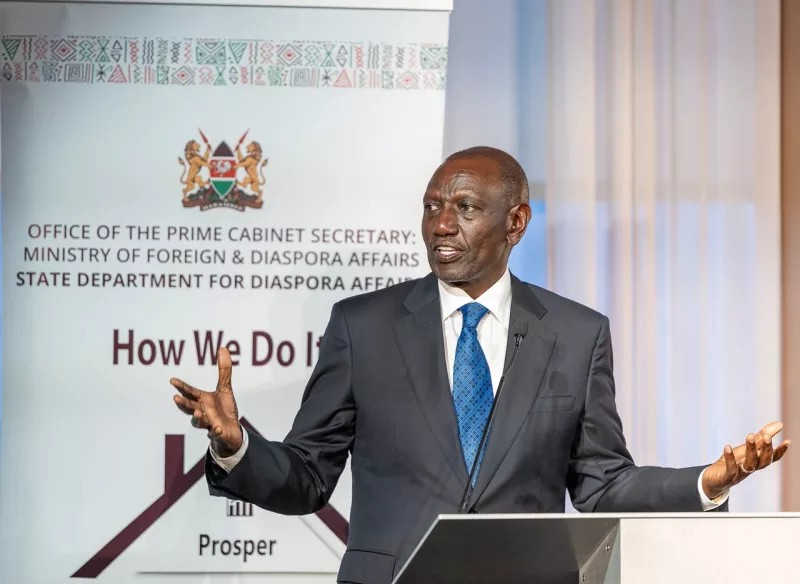
Speaking to Kenyans living in the diaspora in New York City, Ruto said his administration remained committed to transforming the education sector and expanding opportunities for young people seeking university and technical and vocational education and training.
The President pushed back against criticism of the financing reforms, arguing that public discussion had at times concentrated heavily on administrative delays and implementation difficulties while giving less attention to the broader objectives of the new system. He said the government was working to address the operational challenges affecting students, parents and institutions, including delays in the processing and release of financial support.
ALSO READ:
Education stakeholders demand urgent action on delayed disbursement of varsity, college funds
A Needs-Based Model Replacing Uniform Financing
At the centre of the reforms is a funding approach that seeks to determine the level of government support a student receives according to their assessed financial need. The model combines scholarships, loans and household contributions, with students from the most financially vulnerable families expected to receive greater government assistance.
The government has presented the system as a shift from relatively uniform financing towards a needs-based approach designed to direct more public resources to students who require them most. However, implementation has continued to generate debate, particularly around the processing of applications, communication with students and institutions, and the timing of loan and scholarship disbursements.
Ruto acknowledged that some of these difficulties remain, describing them as temporary challenges the government is working to resolve. He said technical teams in Nairobi were continuing to refine the means-testing process while addressing administrative and legislative issues affecting the financing framework. The President also pointed to measures taken by his administration to reduce the financial pressures facing universities and strengthen the wider higher education financing system.
The reforms come against the backdrop of longstanding financial challenges in Kenya’s university sector, where institutions have faced mounting debts and pressure to maintain academic programmes amid constrained resources. The government has therefore positioned the new funding model not simply as a mechanism for financing individual students, but as part of a broader restructuring of how higher education is funded.
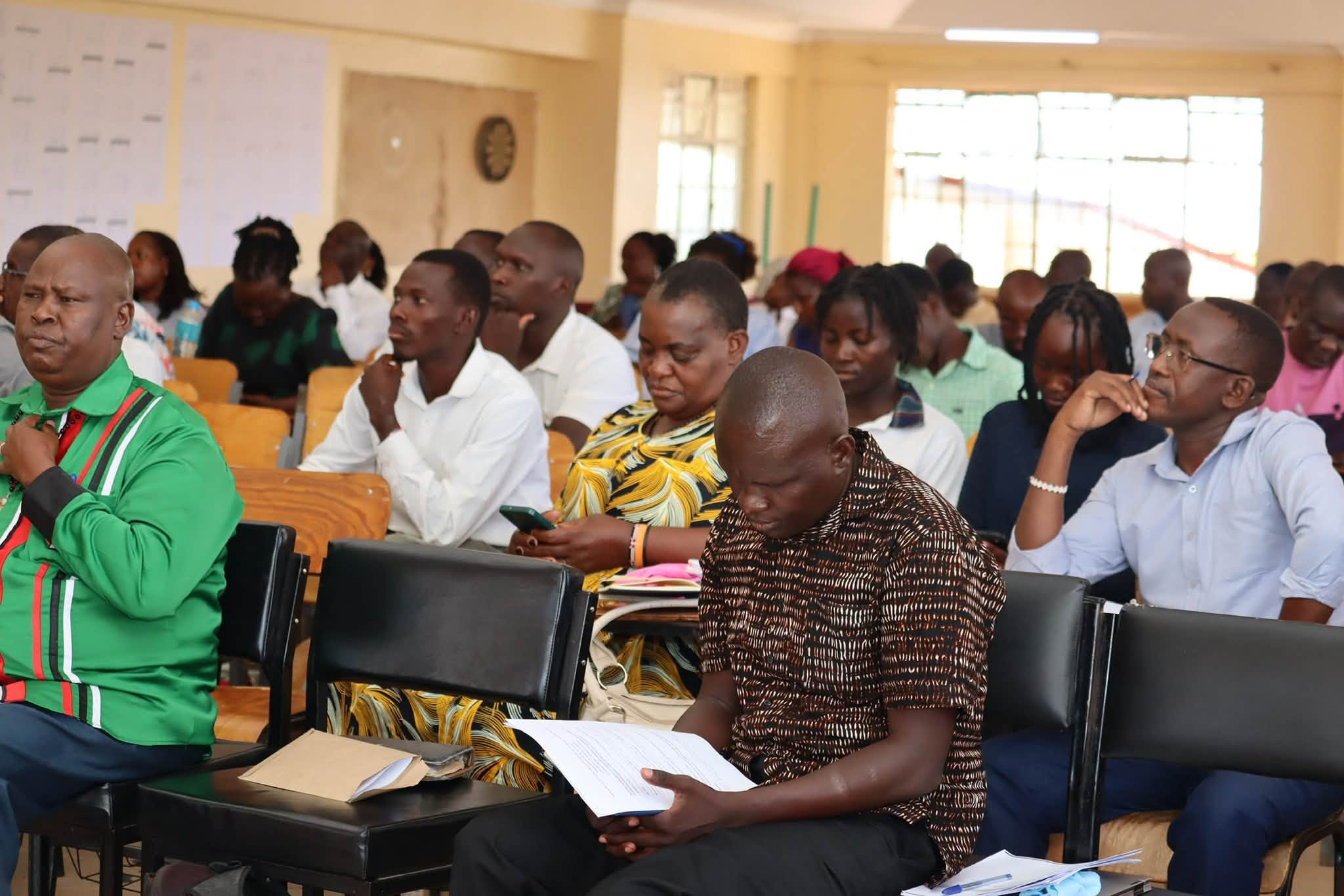
For students and families, however, the immediate test remains whether the system can translate its policy objectives into timely and predictable financial support. Universities and students have repeatedly raised concerns whenever delays in funding affect registration, accommodation, learning materials and other costs associated with pursuing higher education.
ALSO READ: Establish an independent office to work with County Education Boards
The continuing debate therefore reflects two parallel issues: the government’s stated objective of creating a more targeted and equitable financing system, and the practical requirement that students receive support when they need it. Ruto’s latest remarks underline the administration’s determination to retain the new model while improving its implementation, rather than abandoning the reforms because of the difficulties experienced during the transition.
The government now faces the task of demonstrating that the promised improvements in means-testing, administration and disbursement can translate into a funding system that is both financially sustainable and predictable for students and universities. The ultimate measure of the reforms will be whether financial need, rather than the ability of a student’s family to meet university costs, becomes a smaller barrier to accessing higher education.
By Hillary Muhalya
Get more stories from our website: Education News
To write to us or offer feedback, you can reach us at: editor@educationnews.co.ke
You can also follow our social media pages on Twitter: Education News KE and Facebook: Education News Newspaper for timely updates.
>> Click here to stay up-to-date with trending regional stories