- Hillary Muhalya examines concerns over the timetable for public participation on six education Bills.
- KUPPET argues two weeks are insufficient for Kenyans to interrogate far-reaching proposed reforms.
- The Bills span school management, tertiary funding, assessment, teacher training, qualifications and curriculum.
Kenya has given itself just 12 days — from September 14 to September 25 — to take public views on six Bills that could fundamentally alter how the country educates, assesses, trains and finances its learners, with hearings planned across 31 selected counties.
The compressed timetable has now become a major issue in its own right.
The Kenya Union of Post-Primary Education Teachers (KUPPET) wants the exercise suspended, arguing that two weeks are insufficient for Kenyans to understand the proposed laws, assess their implications and make meaningful submissions.
The union also says there has been inadequate public sensitisation and that some venues are too far from rural and marginalised communities.
The concern comes against the scale of the legislative package.
The six Bills are the Tertiary Education, Placement and Funding Bill, 2026; Basic Education Bill, 2026; Kenya National Educational Assessments Council Bill, 2026; Pre-Service Education and In-Service Training Bill, 2026; Kenya National Qualifications Framework (Amendment) Bill, 2026; and Kenya Institute of Curriculum Development (Amendment) Bill, 2026.
Parliament says the package is intended to support reforms across the education sector under Competency-Based Education.
These are not six isolated technical proposals.
One could change who manages Junior Secondary Schools. Another could restructure how university and TVET students are financed. A third could replace the legal framework governing national assessment.
Another would reshape teacher preparation and in-service training, while the remaining Bills would affect qualifications and curriculum development.
That is why the central question is becoming harder to ignore:
Why the rush?
Basic Education Bill: Who will run the school?
The Basic Education Bill, 2026, goes to the heart of how schools will be organised and managed.
One of the major issues emerging from the public hearings is the proposed comprehensive-school model, under which Early Childhood Development, primary and Junior Secondary education would operate within one institutional management structure.
The proposal would give the comprehensive-school arrangement a legal foundation rather than leaving it primarily as an administrative policy. The Government intends to roll out the arrangement from the next financial year.
But KUPPET wants Junior Secondary Schools to have greater autonomy and their own leadership structures, while the Kenya National Union of Teachers (KNUT) has supported the comprehensive-school model.
The practical consequences are substantial.
The decision could determine who heads a school, who controls its resources, how teachers are deployed, how budgets are managed, how infrastructure is planned and where accountability lies.
The Bill also contains contentious provisions on school discipline. During the hearings, some parents called for corporal punishment to return, while teachers raised concerns about provisions criminalising the practice and the potential legal consequences for educators.
The public is therefore not being asked to comment on an abstract governance model.
It is being asked to help determine how schools will actually be run.
The Tertiary Education, Placement and Funding Bill, 2026, could directly affect the financial future of students entering universities, colleges and TVET institutions.
The proposed framework would establish a Tertiary Education Funding Authority (TEFA), taking over functions currently performed by the Higher Education Loans Board, the Universities Fund and the TVET Fund. It also proposes changes to the role of the Kenya Universities and Colleges Central Placement Service in student placement.
That means students and parents could face a different institutional pathway when seeking both placement and financial support.
The practical questions are immediate: Who qualifies for funding? How much support does a student receive? What portion is a loan? What happens to grants? Who provides the money? And when does repayment begin?
During the public hearings, stakeholders in Elgeyo-Marakwet called for zero-interest student loans and flexible repayment terms. The Bill, as reported during the hearings, requires beneficiaries to begin repaying loans one year after securing employment.
The proposed financing system therefore has consequences that extend directly into household finances.
Assessment Bill: What happens to KNEC?
The Kenya National Educational Assessments Council Bill, 2026, could change the institution responsible for national educational assessment.
The proposed legislation establishes the Kenya National Educational Assessments Council and repeals the existing Kenya National Examinations Council Act.
The proposed Council would set national assessment standards, register and accredit assessment centres, and issue certificates, diplomas and assessment reports.
In practical terms, this is about much more than changing an institution’s name.
It concerns who sets assessment standards, who accredits assessment centres, who administers national assessments and who ultimately issues and authenticates assessment credentials.
For learners and teachers navigating Kenya’s transition to competency-based assessment, the new framework could become a major part of how achievement is measured and certified.
Teacher training Bill: Who trains the next generation of teachers?
The Pre-Service Education and In-Service Training Bill, 2026, takes the reforms into teacher preparation.
The proposed law would regulate the preparation and continuing training of teachers and introduce a statutory framework for teacher-training institutions.
Among its proposals is the establishment of the Kenya Teachers Training College as a body corporate responsible for pre-service education, educational research and advising the Cabinet Secretary.
It also proposes county-level registration requirements for teacher-training colleges.
The impact would be felt before a teacher enters a classroom and throughout the teacher’s professional career.
It raises questions about who can train teachers, how training colleges are registered, what standards they must meet, how pre-service preparation is organised and how teachers continue upgrading their professional skills.
For thousands of prospective teachers and training institutions, the Bill could therefore change the route into the teaching profession.
Qualifications Bill: How will Kenya track credentials?
The Kenya National Qualifications Framework (Amendment) Bill, 2026, targets the country’s qualifications architecture.
Its implications are particularly relevant to learners moving between different education and training pathways.
A qualification obtained through TVET, university or another recognised institution must be identifiable, registered and comparable within the national system.
The proposed changes therefore concern credential tracking, registration of institutions and the integrity and recognition of qualifications.
For learners, the issue is ultimately practical: whether their certificates and qualifications can be properly recognised as they move into further education, professional training or employment.
KICD Bill: Who controls curriculum development?
The Kenya Institute of Curriculum Development (Amendment) Bill, 2026, turns attention to the institution responsible for curriculum development.
The proposed amendments would revise aspects of KICD’s operations, including its mandate and curriculum-related functions.
That matters because curriculum determines what learners are taught, how learning programmes are developed and how schools respond to changes in national education policy.
At a time when Kenya is implementing Competency-Based Education, changes to KICD’s legal mandate could therefore affect how curricula are developed, reviewed, accredited and implemented across the education system.
The six Bills collectively reach almost every stage of the education journey.
They touch the child entering school, the teacher preparing to enter the classroom, the learner sitting a national assessment, the student seeking university or TVET placement, the parent financing education and the graduate presenting a qualification to an employer.
That is precisely why the dispute over the two-week consultation period matters.
Parliament’s Departmental Committee on Education is conducting hearings across 31 selected counties from September 14 to September 25, while those unable to attend physically are required to submit written memoranda by September 24.
The process has already generated substantive feedback.
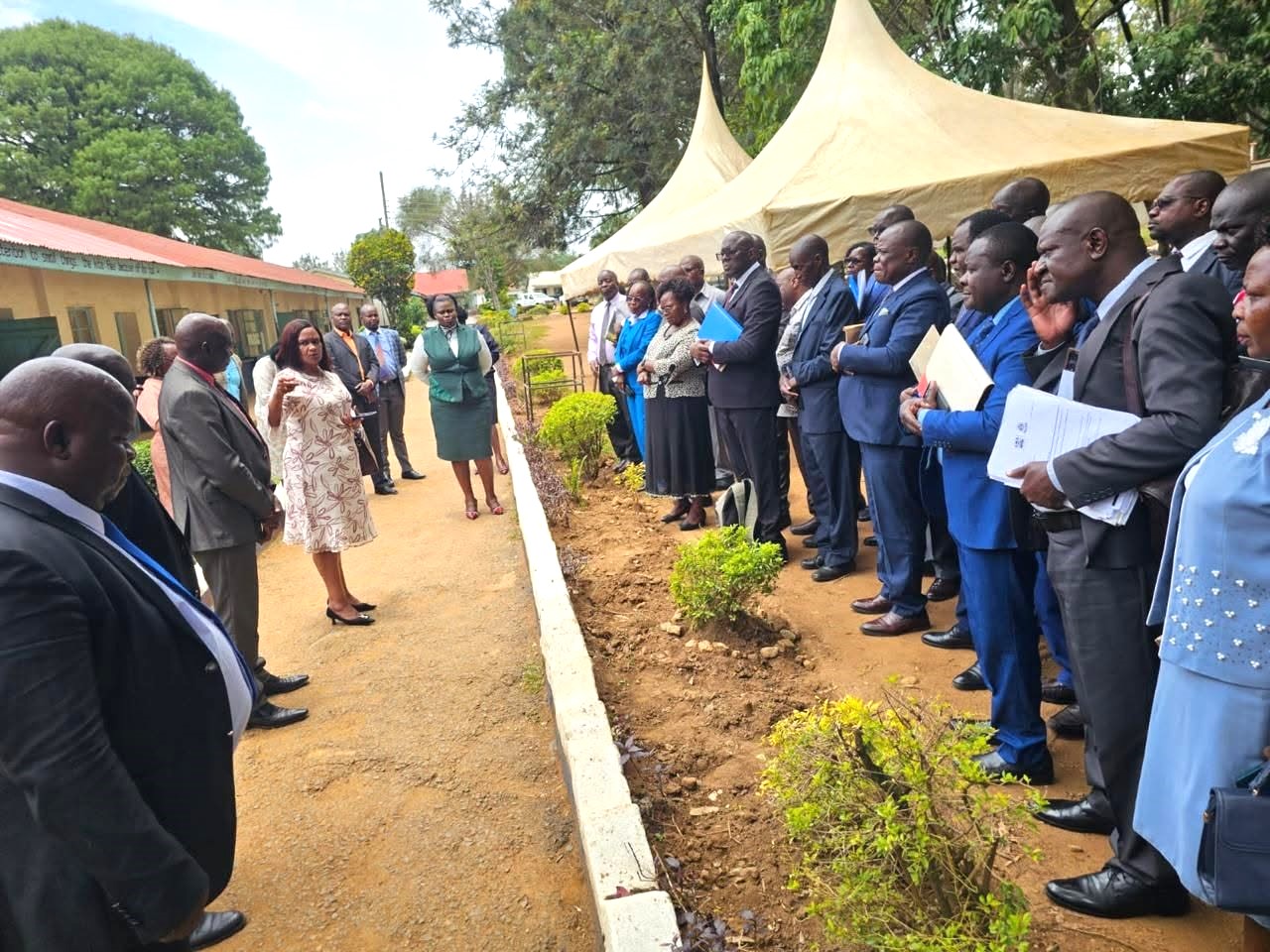
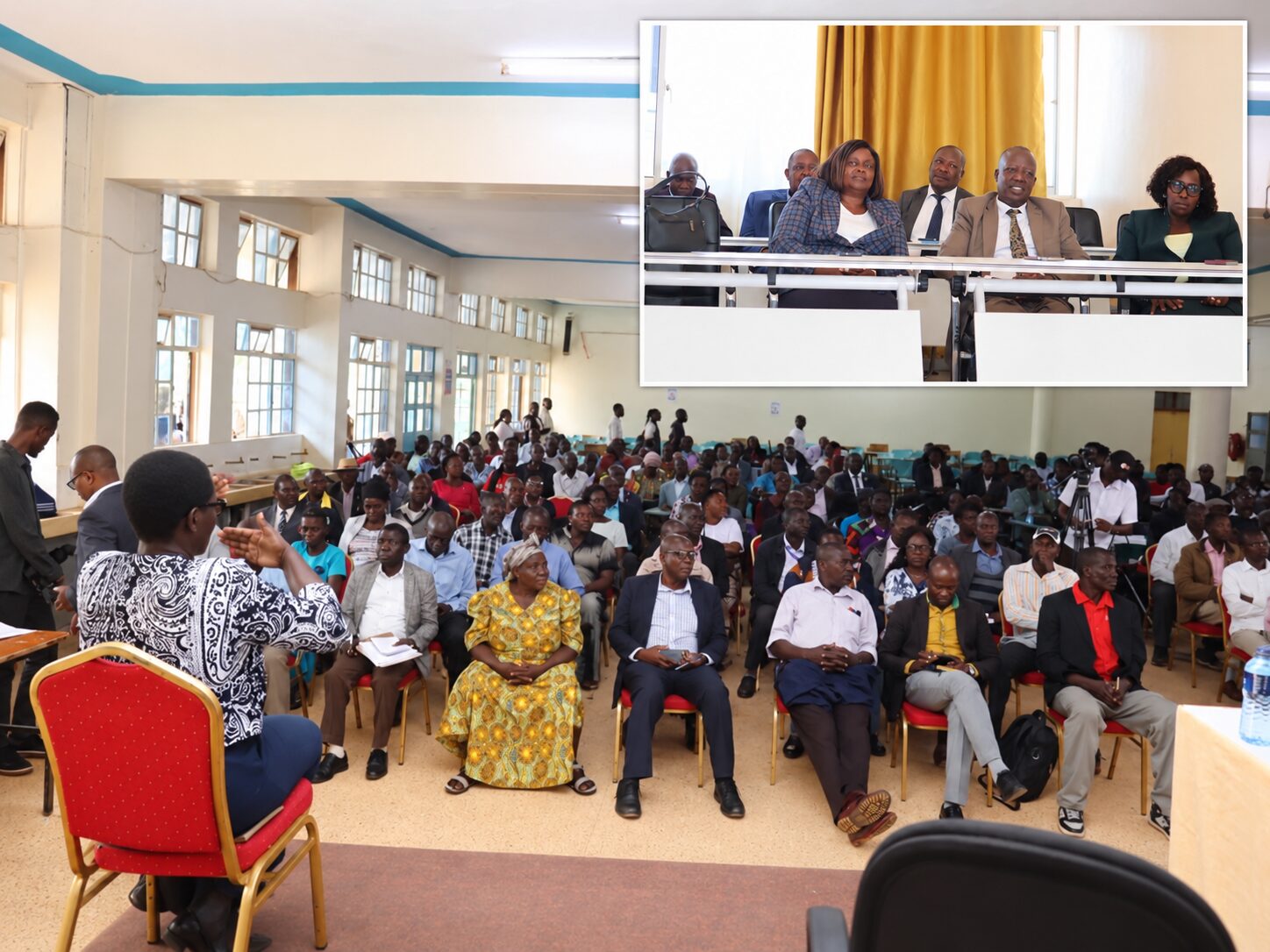
In Uasin Gishu, about 300 participants and more than 20 stakeholders attended the first forum. In Trans Nzoia, stakeholders demanded clearer accountability mechanisms and future-ready legislation.
That evidence demonstrates that Kenyans have issues to raise.
The question is whether there is enough time for those views to be gathered comprehensively, particularly from communities that may struggle to access hearing venues or analyse lengthy Bills.
KUPPET’s argument is that the process should be slowed down so Kenyans can first understand the proposed laws before being asked to comment on them.
The counterpoint is that Parliament has already created a nationwide consultation programme and is actively collecting views from stakeholders.
The unresolved issue is therefore not whether public participation is taking place, but whether the timetable and format are sufficient for participation to be informed, broad and meaningful.
The real test
Kenya’s education reforms have moved beyond policy papers and administrative circulars.
Parliament is now being asked to turn major elements of those reforms into law.
Once enacted, the laws could influence school leadership, teacher preparation, national assessment, qualifications, curriculum and the financing and placement of students for years.
That makes the public participation process more than a constitutional formality.
It is an opportunity for teachers, parents, learners, institutions and communities to identify provisions that could work, expose those that may create implementation problems and propose changes before Parliament makes the final decisions.
The six Bills may be moving through Parliament on a two-week public participation timetable. But the education system they seek to regulate will live with their consequences for decades.
READ ALSO: QASOs welcome proposed strengthening of school inspection in Basic Education Bill, 2026
That is why the question being asked across the sector is becoming increasingly pointed:
Why the rush?
By Hillary Muhalya
Get more stories from our website: Education News
To write to us or offer feedback, you can reach us at: editor@educationnews.co.ke
You can also follow our social media pages on Twitter: Education News KE and Facebook: Education News Newspaper for timely updates.
>> Click here to stay up-to-date with trending regional stories