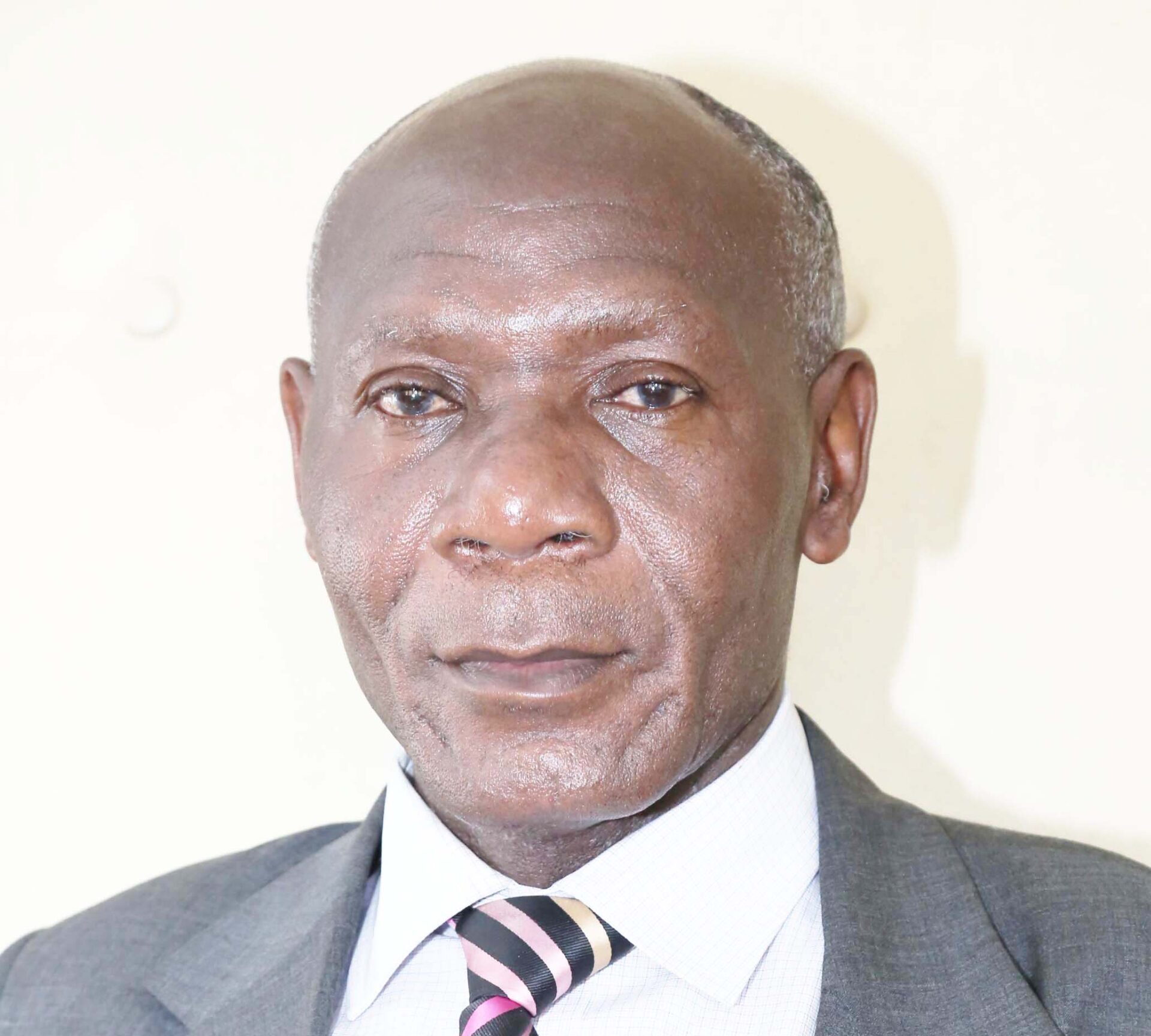
- Yabesh Onwonga says graduate unemployment exposes weaknesses between university training and workplace expectations.
- He says employers must also create meaningful opportunities for graduates to gain practical work experience.
- Onwonga calls for universities to be judged increasingly by graduate outcomes, skills and workplace readiness.
Kenya has perfected the art of producing graduates and then acting surprised when they cannot find work.
The latest findings by the Commission for University Education (CUE) should embarrass everyone responsible for the country’s education and employment pipeline.
A Kenyan university graduate now waits an average of 11.6 months for a first job. Only 25.3 per cent secure employment within six months, while four in 10 take more than a year. CUE’s 2026 study also found that 34.7 per cent secure employment within six to 12 months, 26.7 per cent take between one and two years, while 13.3 per cent wait for more than two years.
That is almost a year between graduation and a pay cheque—almost a year of applications, rejection emails, unpaid bills and explaining to relatives that the degree is still “opening doors”.
Except the doors are apparently bolted.
For years, Kenya has treated university enrolment and graduation statistics as evidence of educational progress. Universities churn out thousands of degree holders, politicians celebrate rising enrolment, parents sacrifice fortunes to pay fees, and graduates emerge clutching certificates.
Then reality arrives.
Employers say too many graduates lack some of the practical competencies they need, including communication, problem-solving, adaptability, digital skills and workplace readiness. The CUE study also identifies lack of work experience as the leading barrier to employment, followed by limited job opportunities, skills mismatch, inadequate professional networks and insufficient labour-market information.
Qualification must translate into capability
This exposes one of the weaknesses in Kenya’s education system—not that degrees are worthless, but that the system has become far too comfortable confusing qualification with capability.
A certificate says someone completed a programme. It does not automatically prove that they can solve a problem, write a convincing report, analyse information, communicate with a client or deliver under pressure.
And employers are hardly innocent spectators.
The Kenyan labour market routinely demands experience from applicants seeking their first jobs. That creates a frustrating contradiction: young people are expected to arrive with experience before many employers are willing to give them an opportunity to acquire it.
The graduate becomes trapped in a ridiculous loop.
No experience, no job. No job, no experience.
Meanwhile, some university curricula move at the speed of bureaucracy while the workplace races ahead. Technology changes. Industries change. Artificial intelligence is transforming tasks. Employers demand new competencies. Yet education systems can take time to respond.
The answer cannot be another conference, another task force and another report congratulating itself for discovering the problem.
Kenya needs to make universities more accountable for what happens after graduation, not merely what happens before graduation.
Every degree should contain serious practical exposure. Students should leave university with evidence of what they can do—not simply a transcript showing what they studied.
Internships must become meaningful
Internships must also stop being academic tourism.
If a student spends three months in an organisation doing errands, filing papers or watching employees work, calling that “work experience” is an insult.
Internships should have defined learning objectives, supervision, assessment and genuine exposure to professional work.
Employers, too, must stop behaving as though an entry-level recruit should arrive as a finished product.
Companies need structured graduate programmes, apprenticeships and meaningful placements.
Kenya already has national policy tools moving in this direction. The State Department for Labour and Skills Development requires tertiary institutions to undertake graduate tracer studies and calculate graduate employability rates, including employment or self-employment within 12 months of graduation.
Universities should also listen more closely to the people who employ their graduates.
Industry representatives should have a meaningful role in reviewing curricula. Courses should be continuously tested against changing labour-market needs.
A programme that repeatedly produces graduates whom employers consider poorly prepared should not be allowed to hide behind accreditation paperwork indefinitely.
And universities need to teach communication as though it matters—because it does.
A graduate who cannot write clearly, present an argument, analyse a problem or explain an idea is not merely missing a “soft skill”. They are missing tools required in almost every modern workplace.
Digital competence deserves the same seriousness.
Knowing how to operate a smartphone is not digital readiness. Graduates need the ability to use discipline-specific technology, analyse information and adapt to tools that did not exist when they entered university.
Measure what happens after graduation
Most importantly, Kenya needs to stop measuring educational success only by how many young people receive certificates.
Measure what happens next.
How many find work? How long do they wait? What skills do employers say they lack? How many create businesses? How many require retraining? Which courses repeatedly produce graduates who struggle to transition into employment?
Graduate tracer studies are designed to generate exactly this kind of evidence by examining employment status, skills, job relevance, job-search pathways and graduate outcomes.
But Kenya has accumulated enough frameworks to wallpaper a ministry corridor.
The country now needs implementation.
Because the harshest truth is this: the graduate is not necessarily the failed product.
A system that sends a young person into a competitive labour market without enough practical exposure, experience or reliable pathways into work must also examine its own responsibility.
Kenya cannot keep telling young people to study hard, collect degrees and wait patiently while the economy figures itself out.
Eleven-point-six months is not just a statistic.
It can represent months of lost income, eroding confidence and unrealised potential.
And if the response is merely to tell graduates to acquire “more skills”, then the institutions that designed and delivered their education risk escaping scrutiny.
Stop manufacturing certificates and start building capability.
READ ALSO: High Court quashes TSC CEO recruitment, orders fresh advertisement
Otherwise, Kenya’s universities will continue graduating young people into the same cruel contradiction: qualified enough to graduate, but still struggling to demonstrate what the labour market demands.
By Yabesh Onwonga
Get more stories from our website: Education News
To write to us or offer feedback, you can reach us at: editor@educationnews.co.ke
You can also follow our social media pages on Twitter: Education News KE and Facebook: Education News Newspaper for timely updates.
>> Click here to stay up-to-date with trending regional stories