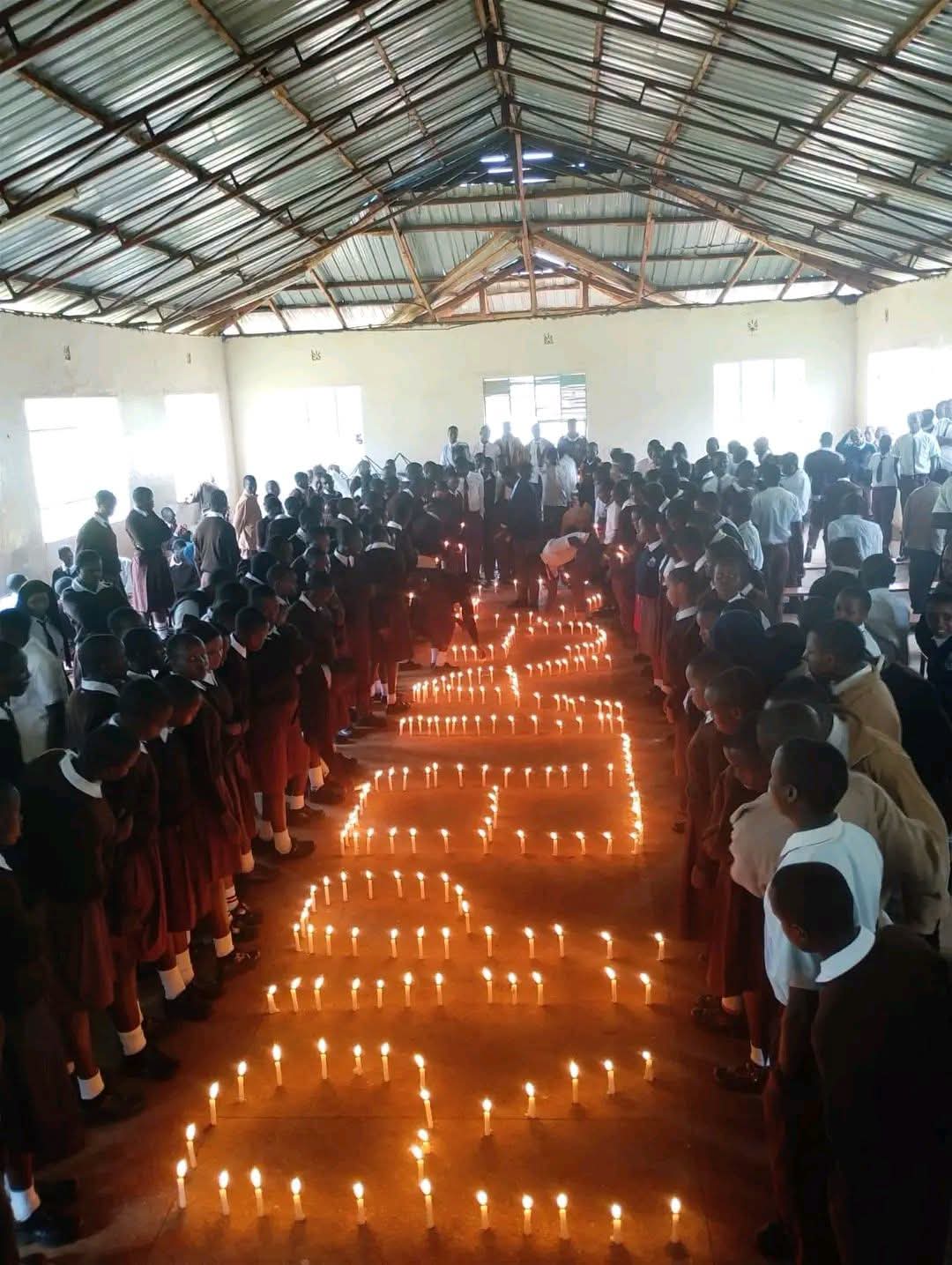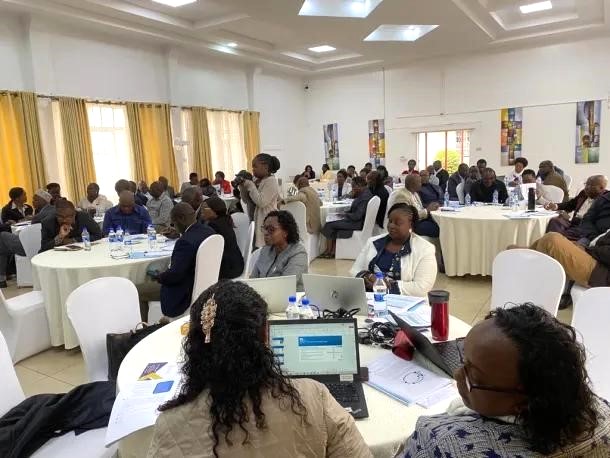
- Hillary Muhalya warns that financial pressure, burnout and workplace frustrations are taking a heavy toll on teachers.
- He says the latest KNUT wellness survey exposes worrying levels of burnout, financial distress and suicidal thoughts.
- Muhlaya calls for confidential counselling, stronger workplace support and an end to stigma around seeking help.
Kenya cannot continue celebrating teachers as the backbone of education while ignoring what is happening to the people carrying that backbone.
The country’s teachers are increasingly confronting a toxic combination of financial pressure, workload, burnout, professional frustration and personal problems. For some, the burden has become so severe that life itself begins to feel unbearable.
This is no longer a problem that can be dismissed as isolated cases.
In 2024, KUPPET National Chairman Omboko Milemba said about 100 teachers had died by suicide over the preceding three years.
Earlier, the Kenya Women Teachers Association (KEWOTA) reported that more than 22 teachers had died by suicide over a two-year period.
These figures come from teachers’ organisations and cover different reporting periods. They should therefore not be added together or presented as an official Teachers Service Commission national mortality database.
Kenya still needs a reliable, publicly accountable national system for documenting teacher deaths and mental-health risks.
But the absence of perfect statistics must not become an excuse for inaction.
The latest warning comes from the 2026 Kenya Comprehensive School Teachers Wellness and Engagement Survey, undertaken by KNUT in collaboration with Knightwise Human Capital.
The findings indicate that 60 per cent of teachers experience burnout, 18 per cent are in financial distress and 12 per cent reported having experienced suicidal thoughts.
That 12 per cent figure is particularly disturbing.
It does not mean 12 per cent of teachers have attempted suicide or will die by suicide. Suicidal thoughts and suicide deaths are different measures.
But it shows that a significant proportion of educators have experienced psychological distress that deserves professional and institutional attention.
The financial dimension cannot be ignored either.
A teacher struggling with loans, household expenses, children’s school fees, medical bills and other obligations can eventually experience a sense of entrapment.
Add excessive workload, administrative demands, difficult working environments and family pressures, and an apparently manageable problem can become overwhelming.
The 2026 survey paints an even broader picture of financial strain, reporting that 97 per cent of teachers were living from pay cheque to pay cheque, while 92 per cent struggled to cope with unexpected expenses.
But there is another enemy that Kenya must confront: the culture of silence.
For many men, particularly, admitting emotional pain can be interpreted as weakness.
A male teacher may be willing to discuss mathematics, examinations, politics, football and school discipline with colleagues but find it almost impossible to say, “I am struggling.”
That mentality must change.
Suicide is not macho.
Destroying yourself silently does not prove that you are strong. Carrying unbearable pain alone does not make anyone more of a man.
Real courage is recognising when something is wrong and seeking assistance before the crisis becomes irreversible.
A teacher who walks into a counselling room is not weak.
A teacher who tells a colleague, spouse, pastor or friend that he is overwhelmed is not weak.
A teacher who seeks medical treatment for depression or another mental-health condition is not weak.
That teacher is fighting to stay alive.
And the education system should make that fight easier.
TSC must treat teacher wellness as a workforce issue
Teacher welfare cannot begin and end with salaries and promotions.
The Teachers Service Commission should establish or strengthen confidential, easily accessible mental-health support for teachers, including professional counselling and clear referral mechanisms for serious cases.
School leaders should also be trained to recognise warning signs of psychological distress and respond appropriately.
A teacher who suddenly withdraws, becomes unusually hopeless, talks about being a burden, shows dramatic behavioural changes or repeatedly refers to death should not simply be labelled troublesome or uncommitted.
Such signs require attention.
Teachers’ unions also have a role beyond negotiating pay and allowances.
KNUT, KUPPET and other professional organisations should make mental-health support a permanent component of teacher welfare programmes.
The government, meanwhile, should address the structural pressures contributing to distress.
Recruiting adequate teachers can reduce workload. Improving school leadership can reduce unnecessary conflict. Addressing delayed payments and administrative frustrations can improve morale.
Financial-literacy and debt-management programmes can also help teachers facing unsustainable borrowing.
And mental-health services must be available without stigma.
Teachers must survive the darkest moments
When suicidal thoughts occur, the first rule should be simple: do not face them alone.
Tell someone you trust.
Stay around other people.
Move away from anything that could be used to cause harm.
Seek urgent professional assistance if the thoughts become intense, persistent or difficult to control.
A teacher should not wait until everything has collapsed before seeking help.
The problem causing the distress should also be broken down into manageable parts.
A financial crisis may require financial advice. A marital problem may require counselling. Workplace conflict may require mediation. Depression may require professional treatment. Substance dependence may require specialised care.
Not every problem has to be solved today.
But the person facing the problem needs to survive today.
The classroom needs teachers who are alive and well
There is a painful irony in asking teachers to identify struggling learners while failing to identify struggling teachers.
Teachers are often the first people expected to notice when a child is depressed, withdrawn, bullied or contemplating self-harm.
Who notices when the teacher is suffering?
That question should haunt the education sector.
Kenya must create a culture in which checking on a colleague is normal, not embarrassing.
Staffrooms should become places where teachers can say, without fear of ridicule or professional punishment, that they need help.
The message must particularly reach male teachers:
You do not have to prove your masculinity by suffering in silence.
Your family needs you alive.
Your learners need you alive.
Your colleagues need you alive.
And the country needs your experience, knowledge and service.
A debt can be renegotiated. A professional setback can be overcome. A marriage can be repaired or, where necessary, ended safely. A career crisis can be managed. Depression can be treated. A terrible season can pass.
But a life lost cannot be negotiated back.
Kenya should therefore stop waiting for another obituary before taking teacher mental health seriously.
The statistics are already warning us.
The teachers are already telling us.
The question is whether we will listen before more lives are lost.
READ ALSO: Humour, anxiety as teachers brace for ‘mother of all strikes’ over promotions, hardship allowances
Being macho is not refusing help.
Being strong is knowing when to ask for it.
By Hillary Muhalya
Get more stories from our website: Education News
To write to us or offer feedback, you can reach us at: editor@educationnews.co.ke
You can also follow our social media pages on Twitter: Education News KE and Facebook: Education News Newspaper for timely updates.
>> Click here to stay up-to-date with trending regional stories