- Astiba Kebong’o warns that gambling-related debt can damage teachers’ finances, relationships and mental wellbeing.
- She urges TSC to include gambling addiction, responsible borrowing and financial planning in teacher wellness programmes.
- Kebong’o argues that early intervention can prevent debt, despair and potentially life-threatening mental-health crises.
September gives us an opportunity to talk more openly about suicide, mental health and the value of human life. As we do so, there is an uncomfortable conversation we cannot continue avoiding: the growing problem of gambling and the financial and emotional suffering it is causing among workers, including teachers.
Over time, I have observed how financial difficulties can quietly affect people at the workplace. What concerns me even more is the number of people who get into serious debt through gambling and eventually find themselves in situations they never imagined.
For some, it begins innocently.
A small bet here. Another one tomorrow. Then the losses begin.
Instead of stopping, the person starts believing that the next bet will recover what has already been lost. Soon, the money meant for food, school fees, rent or other household needs is being used to gamble. When the money runs out, borrowing becomes the next option.
This is where the real trouble often begins.
A teacher may start borrowing from colleagues, taking one loan after another or moving from one financial institution to another in search of additional credit. Some people even ask friends or colleagues to guarantee loans for them, promising to repay. When they eventually default, the guarantor is left carrying a debt they never expected to pay.
Friendships are destroyed. Colleagues stop trusting one another. Families become strained.
And the teacher is left carrying the weight of debt, shame and disappointment.
Sometimes the person begins changing salary pay points, looking for another lender after exhausting the possibilities with the previous one. What started as a search for financial assistance becomes a cycle that is increasingly difficult to escape.
We need to ask ourselves honestly: How many people are silently struggling with this problem?
The danger of gambling is that its effects do not end with the loss of money.
A person who is constantly thinking about debts and trying to recover gambling losses may have difficulty concentrating at work. They may become withdrawn, irritable or anxious. Some lose sleep. Others begin lying to their spouses, relatives and colleagues about their financial situation.
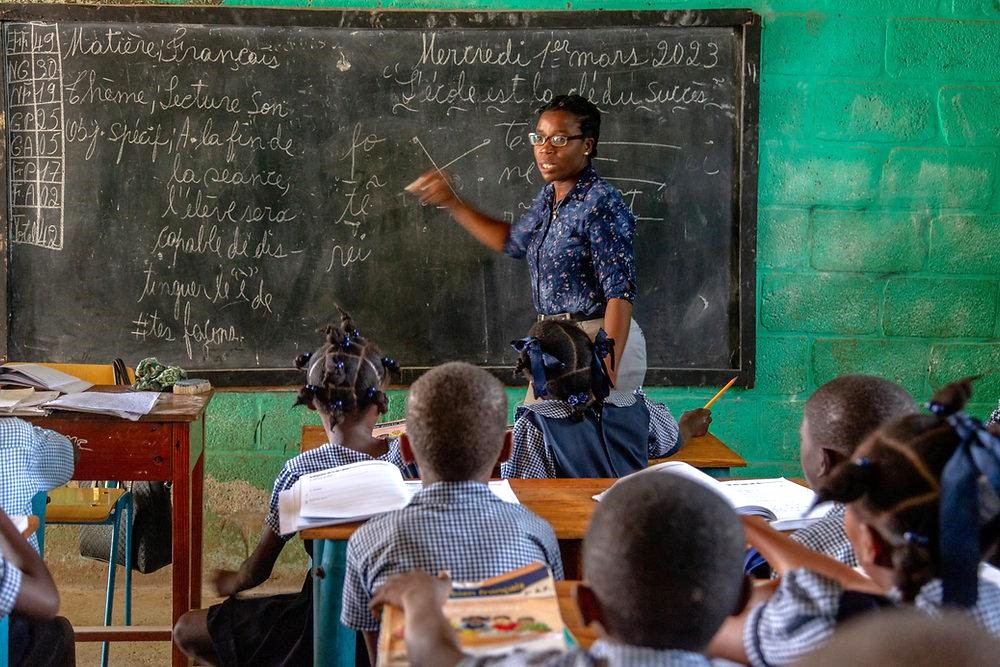
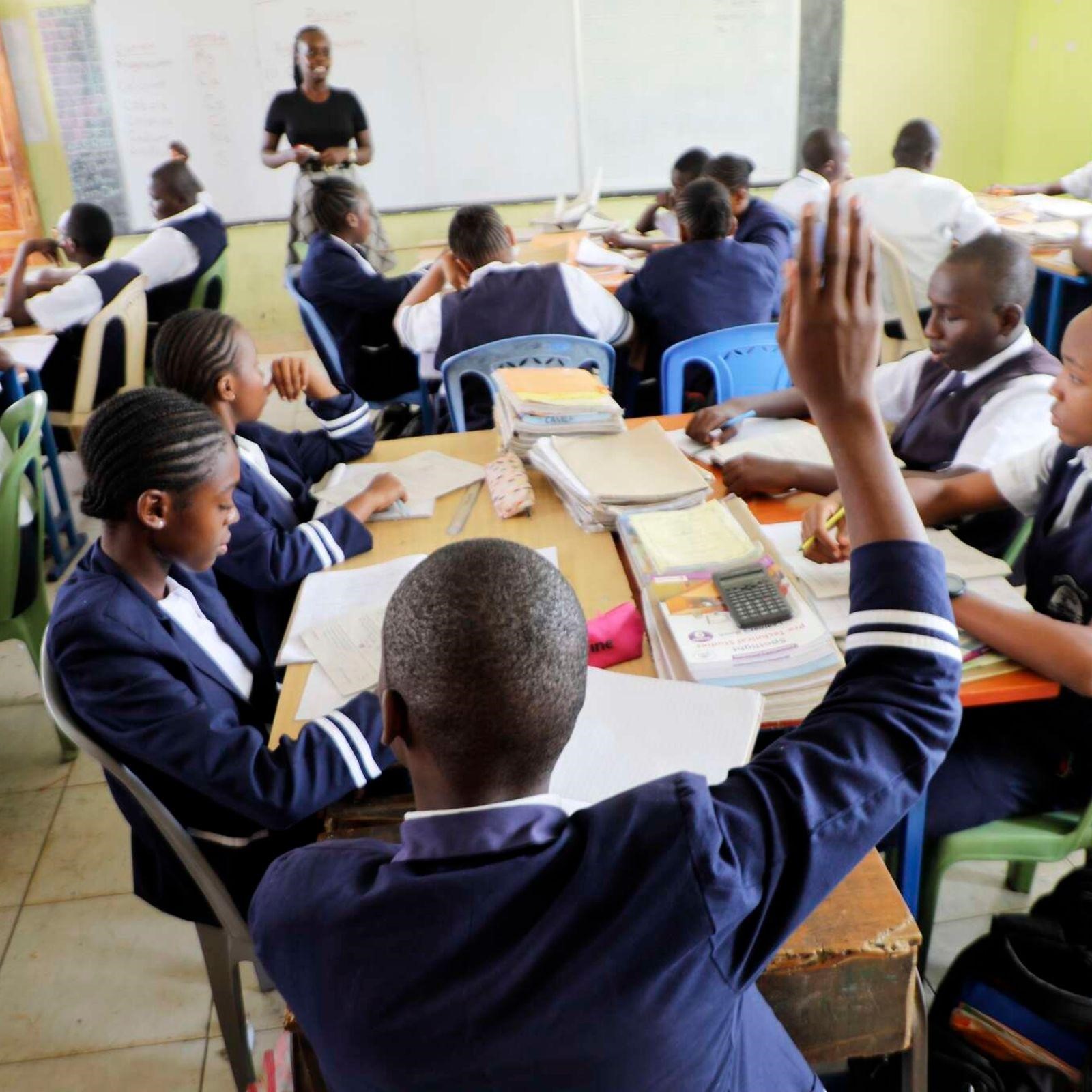
For a teacher, the impact can eventually be felt in the classroom.
Preparation may suffer. Concentration may decline. Absenteeism may increase. Relationships with colleagues and learners may become difficult. A teacher who was once energetic and committed may gradually lose the motivation to perform ordinary duties.
This is not to excuse professional misconduct. Teachers must remain accountable for their responsibilities. But when we see a sudden change in someone’s behaviour or performance, we should also ask whether there is a problem behind what we are seeing.
Sometimes the person who appears careless is actually overwhelmed.
The link with suicide should concern us
Research from different parts of the world has established a worrying association between problem gambling and suicidal thoughts and attempts.
A 2024 meta-analysis covering 107 studies and almost 4.7 million participants found high levels of suicidal ideation and suicide attempts among people experiencing gambling problems. It reported significantly higher odds of both outcomes among people with gambling problems than among those without them.
However, the researchers also made an important point: gambling should not be described as the sole cause of suicide. Suicide is complex and can involve several interacting factors, including mental-health problems, financial difficulties, relationship breakdown, shame and other personal circumstances.
This distinction matters.
We should not say that every person who gambles will become suicidal. But neither should we ignore the warning signs when gambling is accompanied by serious debt, hopelessness, depression or thoughts of self-harm.
Psychiatrists and psychologists have also recognised gambling disorder as a serious behavioural addiction. It can affect relationships, financial security, quality of life and mental health.
That is why telling someone simply to “stop gambling” may not always be enough.
Some people need professional help to understand why they continue gambling even when they know it is destroying their finances and relationships.
Kenya has also recognised that gambling requires regulation.
The Gambling Control Act, 2025, regulates betting, casinos and other forms of gambling and established the Gambling Regulatory Authority of Kenya as the successor to the Betting Control and Licensing Board.
That is an important step.
But regulation should not only be about licensing betting companies and controlling the industry. It should also be about protecting people from the harm that gambling can cause.
We need stronger public education on gambling addiction, debt and mental health.
We need people to understand that gambling is not an investment strategy.
A salary should not become gambling capital.
A loan should not become betting money.
And a payslip should not be viewed as an opportunity to obtain more money for a habit that is already causing financial distress.
What does the Bible say?
For Christians, there is also a lesson to draw from Scripture.
The Bible does not specifically address modern betting platforms, but it repeatedly warns against the unhealthy pursuit of wealth and the dangers of allowing money to control our lives.
1 Timothy 6:9 warns that those who desire to become rich can fall into temptation and harmful desires that lead to ruin and destruction.
Proverbs 21:5 says: “The plans of the diligent lead to profit as surely as haste leads to poverty.”
These teachings remind us of the value of diligence, contentment and responsible stewardship.
The Christian message is not simply about condemning people who gamble. It should also encourage people to recognise when the pursuit of quick money has become destructive.
There is nothing wrong with wanting financial stability. The danger comes when the desire for quick money begins to control our decisions and destroy the very things we were trying to protect.
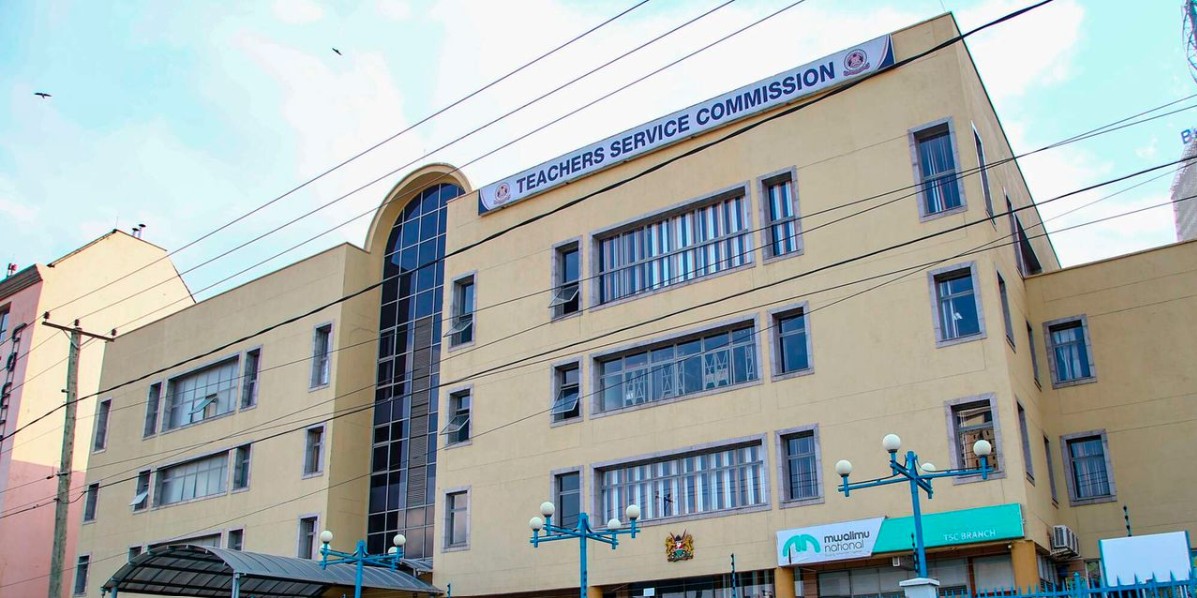
This is where I believe the Teachers Service Commission has an important role to play.
TSC has continued to focus on teacher welfare and mental health. Gambling should now be deliberately included in these conversations.
Teachers need awareness programmes that help them recognise the early signs of gambling addiction.
Wellness seminars should address gambling, debt management, responsible borrowing and financial planning. Teachers should also know where they can seek confidential counselling when gambling has already become a problem.
Counsellors should be encouraged to ask about gambling when dealing with teachers experiencing serious financial stress, family difficulties, anxiety, depression or suicidal thoughts.
Early intervention can make a great difference.
A teacher should not have to wait until a marriage has collapsed, a colleague has lost money as a guarantor or a suicide attempt has occurred before help becomes available.
Banks and other lenders have a responsibility too
Financial institutions also need to look at how they engage teachers and other salaried workers.
There is nothing wrong with a teacher seeking a legitimate loan. The concern arises when a person is repeatedly moving from one bank or lending institution to another, taking fresh loans to settle previous debts and remaining with very little disposable income.
When someone approaches a bank for another loan, perhaps the question should not always be, “How much can we give you?”
Sometimes the more responsible question is, “Can you comfortably afford this loan, and will it genuinely improve your financial situation?”
Financial institutions should provide sound financial guidance alongside lending.
Teachers also need to take responsibility for their financial decisions. We must learn to live within our means, distinguish between needs and wants and resist the temptation of quick financial gains.
A loan may provide temporary relief, but it cannot cure gambling addiction.
We should also be more compassionate towards colleagues who are struggling.
If you notice a friend constantly borrowing money, disappearing shortly after payday, becoming unusually withdrawn, showing signs of anxiety or repeatedly complaining about overwhelming debts, do not be too quick to laugh at them.
Talk to them.
Ask whether they are okay.
Encourage them to seek professional help.
Of course, financial dishonesty and misuse of other people’s money must be dealt with appropriately. If someone misappropriates funds or deliberately deceives colleagues, accountability is necessary.
But accountability should not prevent us from recognising that the person may also need help.
We can condemn the behaviour without condemning the person to hopelessness.
Parents, churches and communities must join the fight
The gambling problem cannot be left to TSC and financial institutions alone.
Families have an important role in noticing changes in behaviour. Churches and other faith communities can provide responsible financial education and encourage people to seek help rather than hide their problems.
Mental-health professionals should also be part of the response.
Psychologists can help individuals address the thoughts, emotions and behaviours that keep them trapped in gambling. Psychiatrists can assess mental-health conditions that may exist alongside gambling disorder and help manage serious risks, including suicidal thoughts.
We need to remove the shame surrounding professional help.
Seeking counselling does not mean that someone is weak.
It means they have recognised that they need assistance.
One of the greatest mistakes we can make is to wait for tragedy before taking action.
When someone has accumulated huge debts, lost family trust, exhausted their salary and begun expressing hopelessness, that is already a crisis.
We should not wait for a suicide attempt.
We should not wait for a family to collapse.
We should not wait for a teacher to lose their job or for a colleague to be left paying a loan they never benefited from.
There must be earlier intervention.
TSC can strengthen confidential referral mechanisms and include gambling awareness in teacher wellness programmes. The Ministry of Health can support access to mental-health and addiction services. The Gambling Regulatory Authority of Kenya can strengthen public education on gambling-related harm. Financial institutions can promote responsible lending and financial literacy.
And teachers themselves must be willing to seek help.
Save a teacher, save a society
The teacher occupies a special place in society. We entrust teachers with the responsibility of preparing young people for the future.
But teachers are human beings too.
They have financial pressures. They have family responsibilities. They experience grief, disappointment, temptation and failure like everyone else.
When a teacher is struggling, we should not only ask whether the syllabus is being covered. We should also ask whether the person standing before the learners is okay.
A teacher drowning in gambling debt needs a lifeline, not ridicule.
A colleague showing signs of despair needs someone to listen.
A family affected by addiction needs support.
And anyone experiencing suicidal thoughts needs immediate professional help and should not be left alone with that crisis.
Gambling may promise quick money, but for some people it has become a road to debt, broken relationships, shame and despair.
We must act before the damage becomes irreversible.
Let us save the teacher before we lose the teacher.
READ ALSO: Ruto pledges Sh10 million for Kisumu Day infrastructure after MP Oron’s request
Save a teacher, save a family, save a classroom, save a society.
By Astiba Kebong’o
jackiekebongo@gmail.com
Get more stories from our website: Education News
To write to us or offer feedback, you can reach us at: editor@educationnews.co.ke
You can also follow our social media pages on Twitter: Education News KE and Facebook: Education News Newspaper for timely updates.
>> Click here to stay up-to-date with trending regional stories