- Homeschooling advocates have called for clear legal recognition of homeschooling in Kenya, backed by over 1,500 signatories.
- The advocates have described the current situation as a “legal lacuna,” citing cases where homeschooling parents have been arrested due to uncertainty in the legal framework.
- Parents have described homeschooling as a holistic approach that exposes children to apprenticeships and personal interests beyond conventional classroom learning.
Homeschooling advocates are calling for clearer legal recognition of home education in Kenya, saying thousands of families practise it despite the absence of a well-defined framework in the country’s education laws.
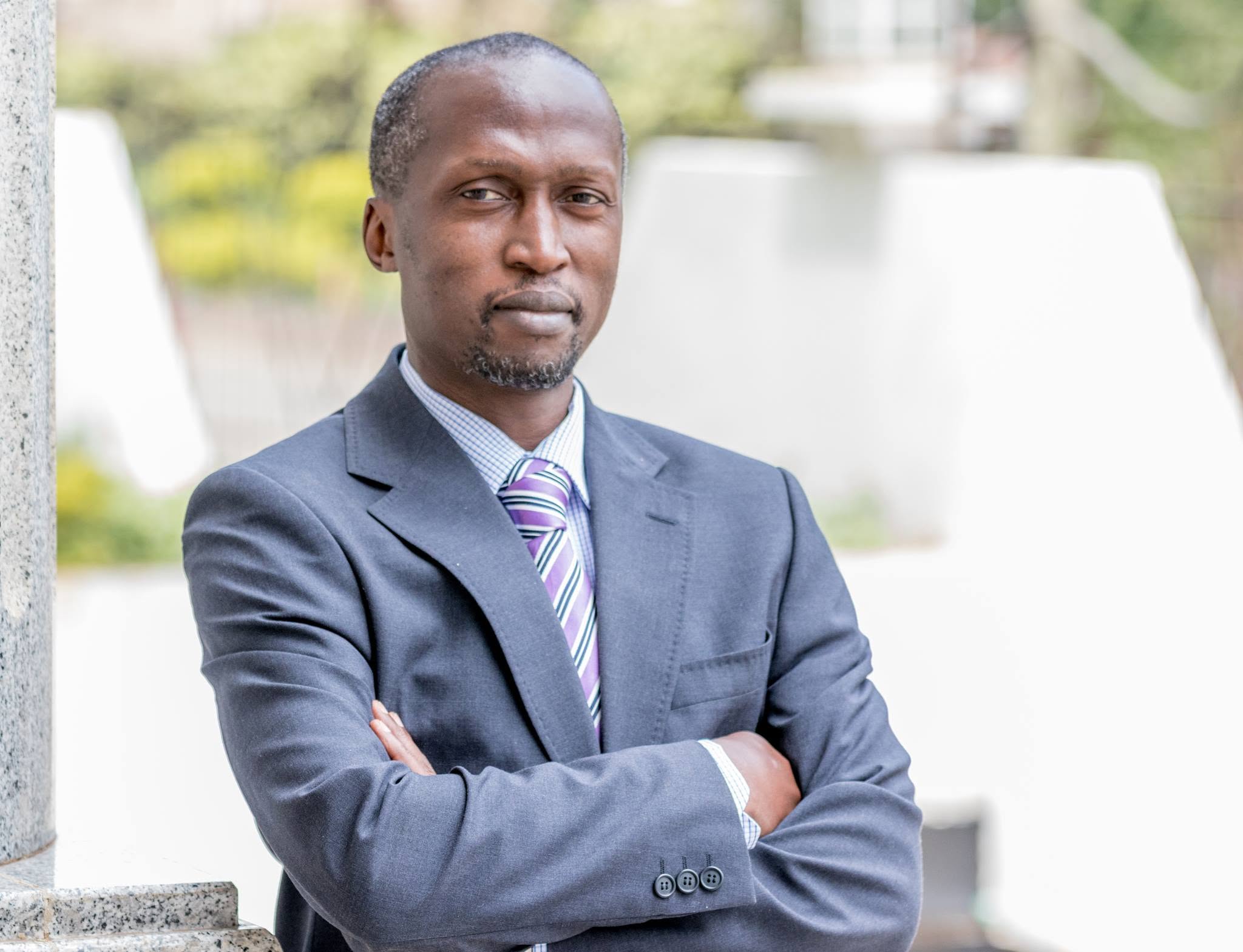
Emmanuel Nandokha of the Home Education Reforms Initiative made the call during an interview with the media, where he discussed homeschooling and proposed reforms to the education sector.
Nandokha said homeschooling has existed in Kenya for years but has never been formally recognised as a distinct form of education.
“Basically, homeschoolers have existed for years in Kenya, but we’ve never been formally recognised,” Nandokha said.
He said the initiative was formed after homeschooling families sought to engage the government on education reforms. According to Nandokha, more than 1,500 parents have signed up in support of the group’s latest submission.
The group wants homeschooling to be recognised alongside public schools, private schools and Alternative Providers of Basic Education, with clear provisions outlining how home education should operate.
ALSO READ:
Six education Bills could reshape schools, teacher training and tertiary funding
Nandokha described the current situation as a “legal lacuna”, saying homeschooling is referenced in some government documents but remains insufficiently defined.
He also raised concerns over the legal risks faced by parents. He said some homeschooling parents have previously been arrested and taken to court because of uncertainty surrounding the legal framework.
Nandokha said legal recognition should come with clear standards and education milestones to ensure children receive quality education while allowing families flexibility in how learning is delivered.
He said homeschooling takes different forms, including parents teaching their children directly, hiring tutors, joining cooperative learning groups, using micro-schools and learning centres. Some children also transition from homeschooling into conventional schools.
The discussion also examined proposals in the Basic Education Bill concerning Alternative Provision of Basic Education and Training.
Nandokha argued that homeschooling should not simply be placed under the existing alternative education category, saying the framework does not specifically define home education and is largely associated with informal settlements and arid areas.
He also rejected concerns that homeschooling would mainly benefit wealthy families with access to internet, electricity and learning materials.
“No, it would actually then increase access to quality education,” he said, noting that homeschooling could provide opportunities for children in remote areas where access to schools is limited.
Rose Murigu, a parent who said she began homeschooling her children in 2012, also shared her experience during the interview.
Murigu said her family turned to homeschooling while moving between continents and that she wanted an educational approach different from what her children had previously experienced.
ALSO READ: Elgeyo Marakwet special school teachers give County January ultimatum over delayed promotions, welfare concerns
She said homeschooling should not simply mean replicating classroom education at home but should provide a more holistic learning experience.
“It’s very wholesome, very holistic. You have to be very intentional,” Murigu said.
She said her children were exposed to apprenticeships, personal interests and interactions with people outside the home as part of their education.
Murigu added that parents should consider their children’s interests and future career plans when choosing a curriculum. She cited IGCSE as one option for children interested in fields such as medicine because of its emphasis on sciences.
The advocates are now urging the government to consult homeschooling families and establish a clear legal framework that recognises home education while safeguarding children’s right to quality learning.
By Obegi Malack
Get more stories from our website: Education News
To write to us or offer feedback, you can reach us at: editor@educationnews.co.ke
You can also follow our social media pages on Twitter: Education News KE and Facebook: Education News Newspaper for timely updates.
>> Click here to stay up-to-date with trending regional stories