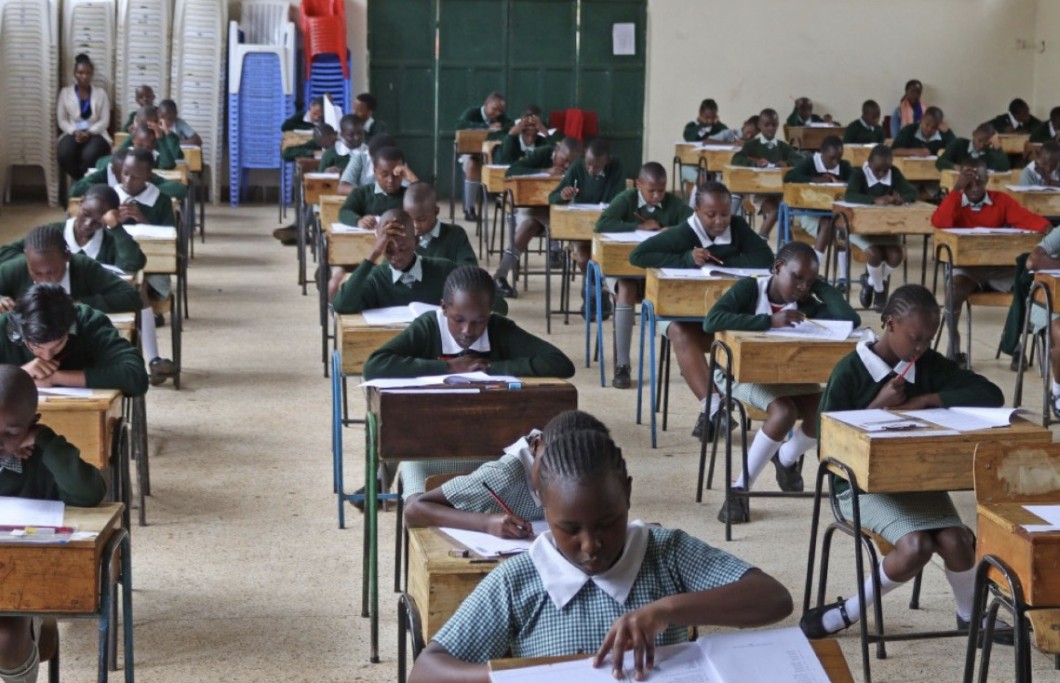
- MPs have urged schools to employ qualified procurement officers after finding widespread procurement irregularities during audits of national schools.
- The committee has flagged unequal book distribution by KICD, noting some schools received excess books while others faced severe shortages.
Members of Parliament (MPs) have advised schools across the country to employ qualified procurement officers to help address issues of procuring goods and services within public institutions.
The National Assembly Public Investments Committee on Governance and Education says the law is very clear on procurement, hence the need for various secondary schools to consider employing qualified procurement officers to help them navigate such issues.
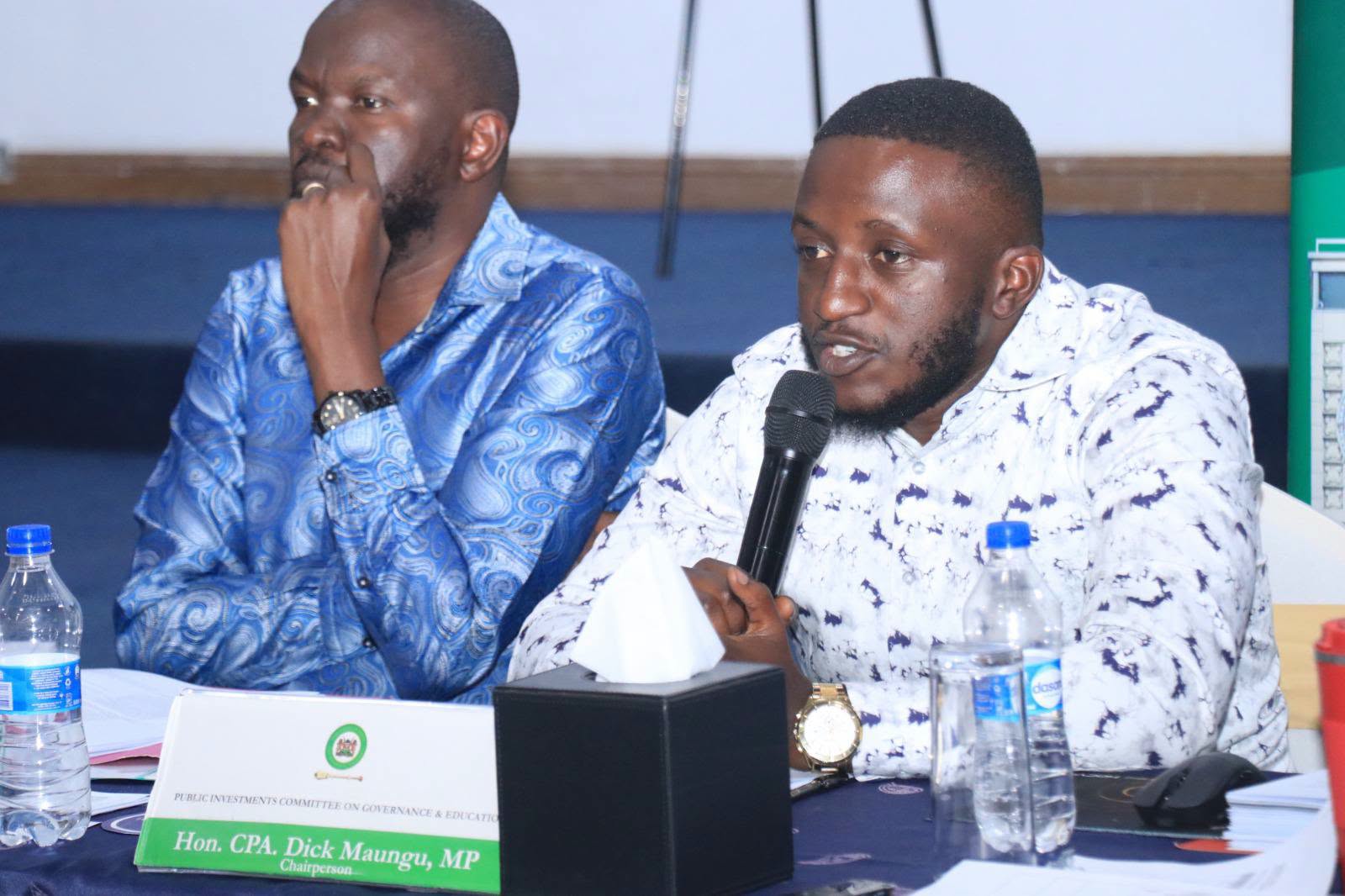
Committee Chairman Dick Maungu Oyugi said the Public Procurement and Disposal Act is very clear as to how public institutions must procure, and it is unfortunate that some schools procure as if they were private entities.
Speaking after the committee’s first day examining six public national schools in Nyanza and Western regions, held in Kisumu, Maungu said proper procurement can only be achieved by having a qualified procurement specialist who can actually execute what is required. “Maybe a day school in the local area may not have one. In that case, they may use the sub-county, the one for the ministry. But it is important that a school, for example, a national school, has a head of procurement who can be able to procure and to follow what is supposed to be done, because some of the things happening here it is all about procurement issues,” Maungu said.
ALSO READ:
Ruto unveils plan to build 70 classrooms in Nkaimurunya Ward, Kajiado North
The committee chair said another issue that has emerged during the examination is that most of the schools contribute money to an organisation known as the Kenya Secondary School Heads Association (KSSHA). “As you are aware, this is a club, or rather a membership, a wealthier group of principals of high schools. For example, the first school we examined had about six million paid to KSSHA. The other had about five million paid to KSSHA. What we are asking is, these are billions; if you convert them into all the schools in the country, that go into KSSHA. And we want to find out whether KSSHA is a recipient of public money, and maybe the activities they are doing are not audited by the Auditor-General’s office,” the chair said.
He said this is an issue the committee wants to dig deeper into, and it will be moving on to engage the leadership of KSSHA so that the committee may establish under what entity it operates.
ALSO READ: MP accuses education officials of blocking Mobamba pupils from performing at State House Music Gala
Maungu added that another issue that has come out clearly is the matter of books, saying the committee was shocked to find that some schools have excess books. “Yet we know very well that some schools in this country don’t receive enough books in terms of the learner-book ratio. We have seen a school, for example, that received 400 more than it needed, meaning there are extra books. The question is, when you receive extra numbers, meaning there’s a school somewhere, and maybe in my constituency, where schools don’t have books, so we should also be calling KICD to tell us why they supply excess books to some schools, when other schools continue having no books,” he added.
By Fredrick Odiero
Get more stories from our website: Education News
To write to us or offer feedback, you can reach us at: editor@educationnews.co.ke
You can also follow our social media pages on Twitter: Education News KE and Facebook: Education News Newspaper for timely updates.
>> Click here to stay up-to-date with trending regional stories