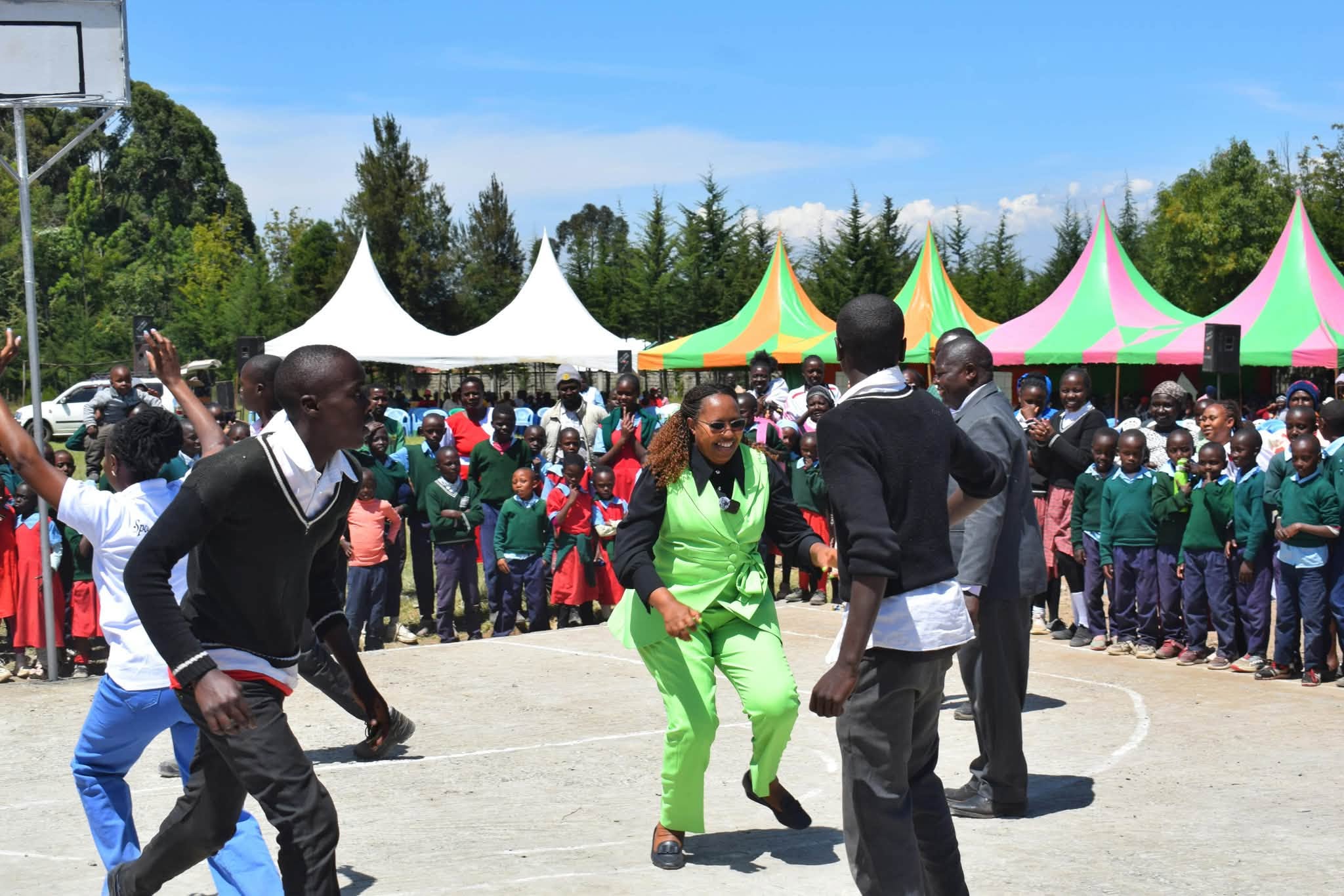
- Kipipiri MP Wanjiku Muhia has renovated more than 40 schools under her constituency’s facelift programme, drawing comparisons to Ndindi Nyoro’s education-focused development model in Kiharu.
- Muhia has showcased upgraded classrooms, cabro-paved compounds and a basketball court at Maara Primary School
- Comparisons between Kipipiri and Kiharu will ultimately depend on verifiable outcomes such as project coverage, budgets and measurable improvements in learning conditions.
For years, Kiharu has occupied a special place in Kenya’s constituency development conversation, particularly because of its aggressive investment in education infrastructure under MP Ndindi Nyoro. But a new constituency is increasingly seeking attention for a similar reason. In Kipipiri, MP Wanjiku Muhia is building a development narrative centred on schools, learning environments and community infrastructure, with more than 40 institutions reportedly benefiting from her constituency’s facelift programme during her first term.
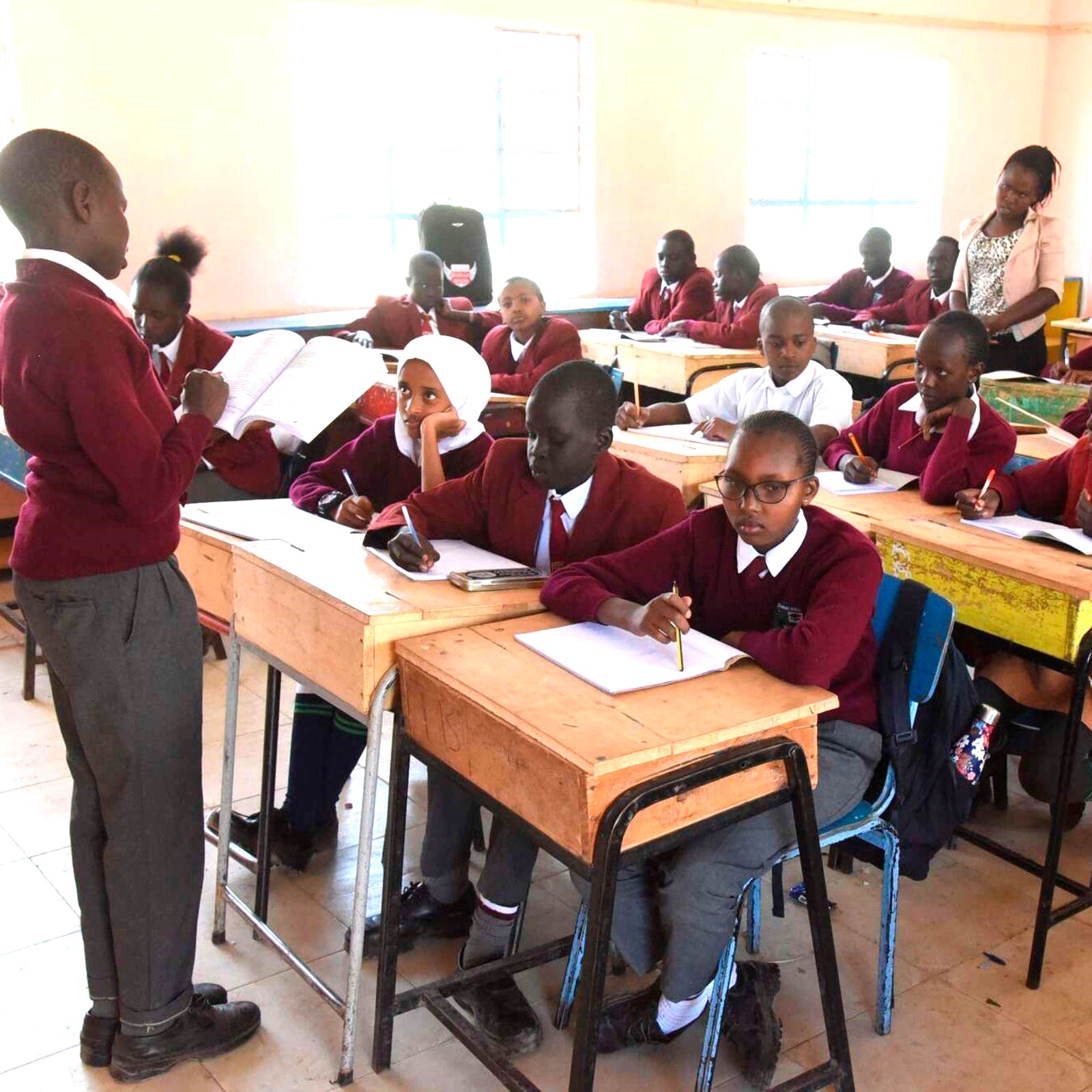
During a tour of schools on Thursday, September 3, Muhia showcased renovated classrooms, tiled floors, cabro-paved compounds, improved playing facilities and a basketball court at Maara Primary School. At Gathuthi Comprehensive School, she highlighted renovated classrooms and the broader objective of creating more conducive learning environments for pupils. “Maara Primary learners, you have a beautiful school; academy-like with tiled classrooms, Cabros and a basketball court,” Muhia said, urging learners to excel academically and in co-curricular activities.
Under Nyoro, Kiharu became one of the most closely watched constituencies in the country for its approach to education and infrastructure development. Its tiled classrooms, paved compounds, landscaping and education-support programmes attracted legislators and NG-CDF officials seeking ideas that could be replicated elsewhere. The constituency’s education model was particularly notable because it went beyond construction.
ALSO READ:
Githambo Primary alumni donate digital learning lab to boost CBE, digital learning
The Masomo Bora programme, for example, introduced a KSh500-per-term fee structure for learners in participating public day secondary schools, alongside additional support such as meals, helping establish Kiharu as a benchmark in conversations about reducing the financial burden on families while improving access to education.
Muhia is now seeking to establish a comparable identity for Kipipiri. Rather than presenting the constituency merely as a beneficiary of conventional NG-CDF projects, the emphasis is increasingly on the quality, appearance and functionality of the facilities being delivered. One of the most visible differences in Muhia’s presentation is the attention given to sports infrastructure, with the basketball court showcased at Maara Primary School used as an example of a broader philosophy that school development should incorporate talent development alongside academic achievement.
The more than 40 schools reportedly reached by the initiative provide a constituency-wide narrative rather than a single flagship project. Development records have traditionally been among the strongest political currencies for sitting MPs, and as Muhia looks towards the 2027 General Election, the facelift programme gives her a platform built on breadth of reach rather than a single project.
ALSO READ: HELB: Missed funding during an academic year may not be recoverable after graduation
Kiharu’s influence in the constituency-development debate was built over several years and involved more than physical infrastructure. Kipipiri’s emerging model will need to demonstrate that its investment can produce similarly lasting results, with comparisons between the two constituencies ultimately resting on verifiable outcomes such as budgets, project numbers, coverage, quality and measurable educational impact.
By Hillary Muhalya
Get more stories from our website: Education News
To write to us or offer feedback, you can reach us at: editor@educationnews.co.ke
You can also follow our social media pages on Twitter: Education News KE and Facebook: Education News Newspaper for timely updates.
>> Click here to stay up-to-date with trending regional stories