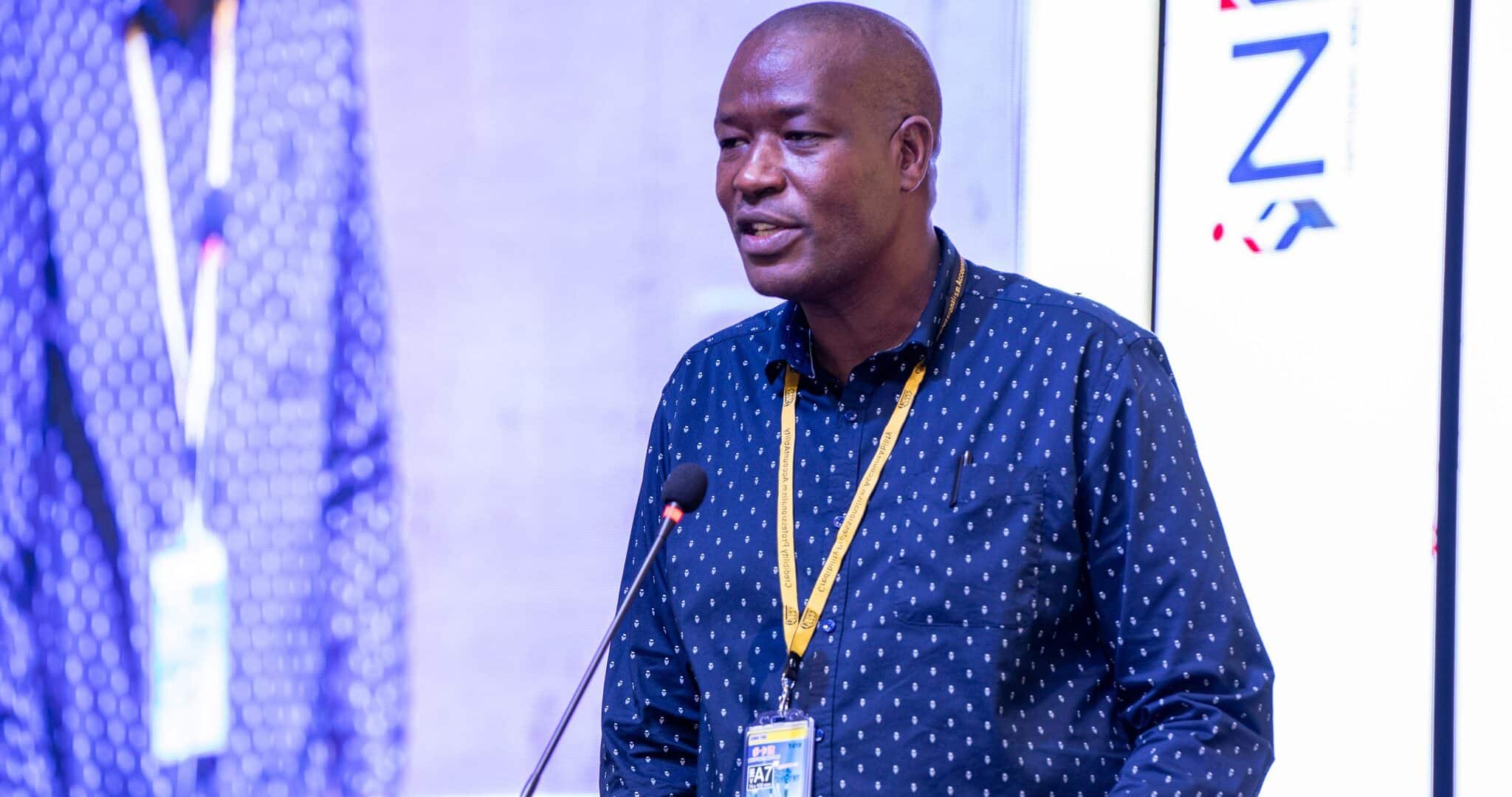
- Sikri TVC for the Blind and Deaf has held its first-ever graduation ceremony, marking a milestone in inclusive technical and vocational training.
- The Government has commissioned the college’s new Hospitality and Institutional Management Block and Solar Power Project, making it the first fully solarised public training institution.
- The Government has announced plans to appoint a specialised team to develop a curriculum tailored for differently abled trainees
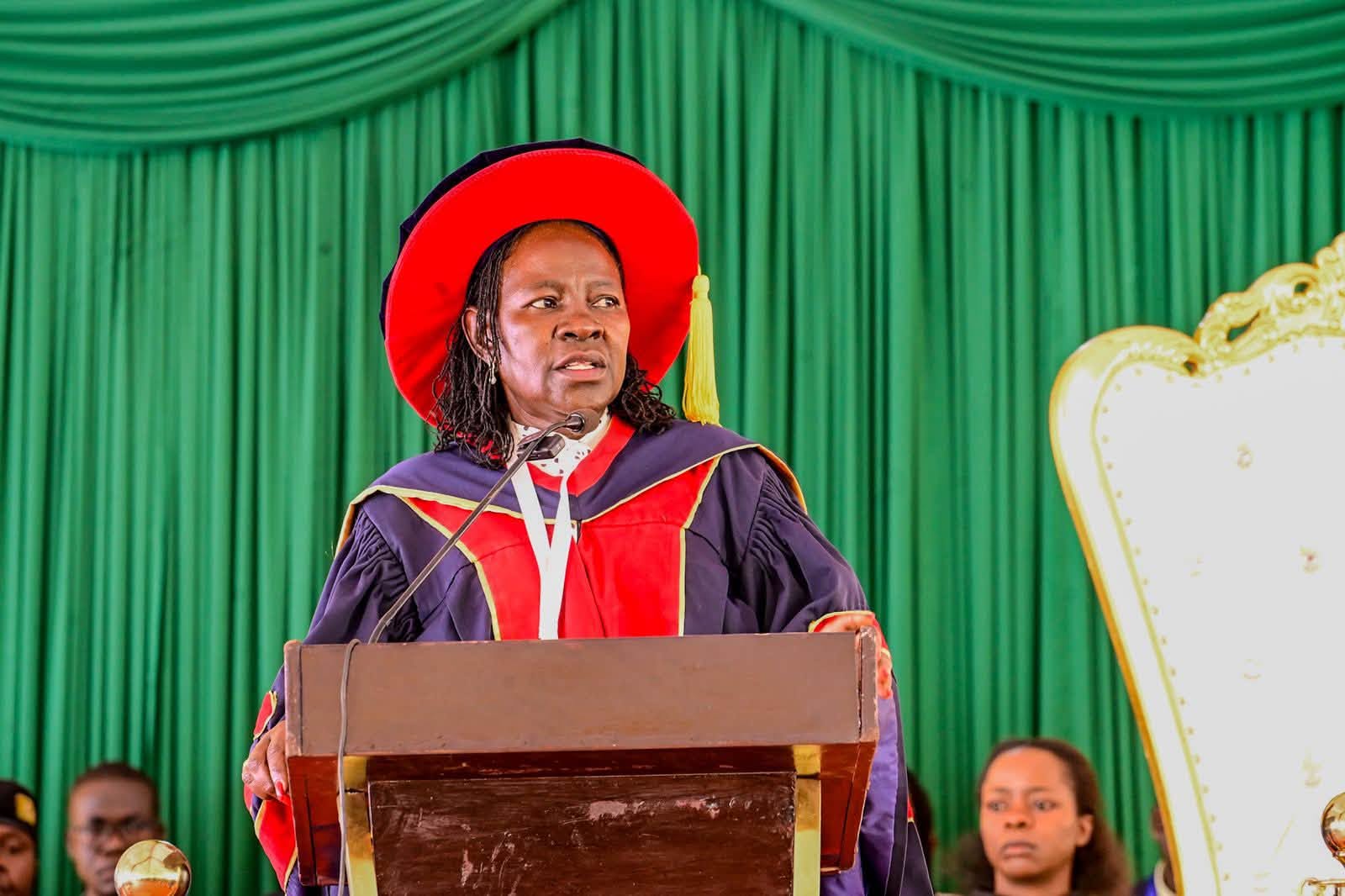
Sikri Technical and Vocational College (TVC) for the Blind and Deaf has marked a historic milestone with its first-ever graduation ceremony, celebrating a new generation of trainees equipped with skills aimed at opening doors to employment, enterprise and greater independence.
The ceremony brought together graduating trainees, trainers, parents and the wider Sikri TVC fraternity in recognition of the achievements of young people who have pursued technical and vocational education.
A major highlight of the ceremony was the commissioning of the institution’s Hospitality and Institutional Management Block and Solar Power Project, investments expected to strengthen training capacity while reducing the college’s operational costs.
ALSO READ: Uasin Gishu County urges over 700 attachés to turn placements into career stepping stones
The solar project is particularly significant because Sikri TVC has emerged as the first fully solarised institution among public training colleges. The Government commended the institution for taking the lead in renewable energy adoption and encouraged the management to identify additional opportunities for reducing operational expenses without compromising the quality of training.
The Government has indicated that a specialised team will be appointed to develop a specialised curriculum for differently abled trainees, an approach intended to focus training around post-graduation opportunities and ensure that competencies acquired prepare trainees to participate in the economy.
The college has partnered with approximately 300 industries in training its trainees, creating opportunities for learners to gain practical exposure and understand workplace expectations. These industry partnerships also serve as a feedback mechanism for the institution, helping it identify emerging skills requirements and adjust training accordingly.
By Hillary Muhalya
Get more stories from our website: Education News
To write to us or offer feedback, you can reach us at: editor@educationnews.co.ke
You can also follow our social media pages on Twitter: Education News KE and Facebook: Education News Newspaper for timely updates.
>> Click here to stay up-to-date with trending regional stories