- Schools have reopened for Term Three with a cumulative funding shortfall of Sh5,787.40 per learner for the year, having received only about 74 per cent of the expected annual allocation.
- KESSHA chairperson Willy Kuria has revealed that disbursements have fallen below the ministry’s stated capitation formula in all three terms of 2026.
- Schools have continued relying on supplier credit and parental contributions to bridge funding gaps as they prepare candidates for the KCSE examinations set for October 19 to November 20.
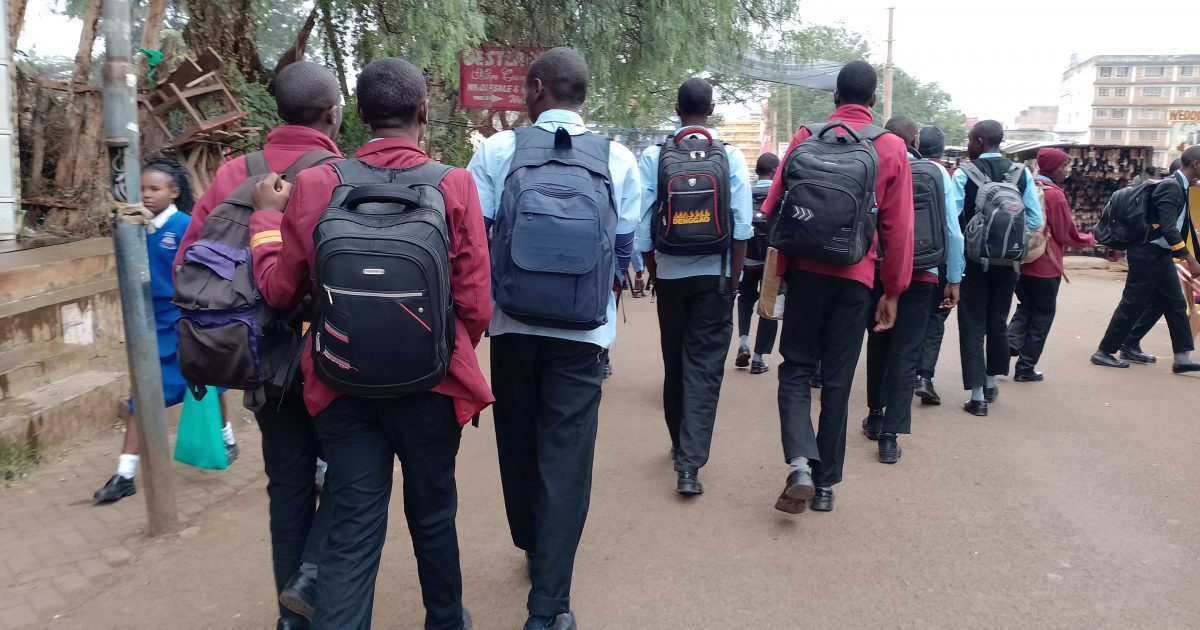
Schools have reopened for the final term of the year facing continued funding gaps, even as learners confront a demanding nine-week term that includes national assessments and final preparations for examinations.
Despite the financial pressure, institutions are still expected to complete the syllabus, prepare candidates for national examinations and meet assessment deadlines before the year ends.
A circular dated July 28, 2026 shows the Ministry of Education released Sh3,367.60 per learner for Term Three, an amount below the Sh4,449 schools are supposed to receive, extending funding shortfalls that have persisted since the start of the year.
Under the ministry’s stated capitation formula, schools are expected to receive Sh11,122 per learner in Term One, Sh6,673 in Term Two and Sh4,449 in Term Three, adding up to an annual allocation of Sh22,244 per learner.
Kenya Secondary School Heads Association (KESSHA) chairperson Willy Kuria has said actual disbursements have consistently fallen below these figures throughout the year. According to Kuria, schools received Sh6,577 per learner in Term One, with a further Sh1,375 retained by the ministry, bringing the total to Sh7,952 against an expected Sh11,122, a shortfall of Sh3,170 per learner.
In Term Two, Kuria said schools received Sh4,852 per learner, with Sh285 retained by the ministry, bringing the total to Sh5,137 against an expected Sh6,673, a further deficit of Sh1,535 per learner. With the Term Three release of Sh3,367.60 leaving an additional gap of Sh1,081.40 against the expected Sh4,449, schools have received a cumulative total of about Sh16,456.60 per learner against the expected Sh22,244 for the year, translating to roughly 74 per cent of the annual allocation and a shortfall of Sh5,787.40 per learner.
ALSO READ:
Term Three: The dos, don’ts, challenges and how to finish the school year strong
“Schools are in debt. Sometimes we call the parents and talk to them. We tell them about our deficit, and some of them agree to supplement what the school has. They give us some money, but when they do, the ministry calls it extra fees. Unfortunately, that is how it is classified. But there is no school that can survive on this amount of money,” Kuria told the Nation.
The shortfalls have compounded the financial strain on schools already grappling with the cost of running institutions and the demands of an increasingly broad curriculum, with school heads arguing that the current capitation formula has not kept pace with the rising cost of education. The pressure has been sharpened further by the expanded Competency Based Education curriculum, which has introduced specialised subjects requiring additional equipment, materials and teachers with specific skills.
RELATED: KSh18 billion in school accounts? President’s claim meets questions over supplier debts
Many school heads are also contending with debts carried over from previous terms and years, with delayed and inadequate funding forcing some institutions to rely on suppliers for goods and services on credit. For schools already in debt, securing supplies on credit has become increasingly difficult, as suppliers demand settlement of outstanding bills before making new deliveries.
The funding squeeze comes at a critical point in the academic calendar, with candidates required to intensify revision as they prepare for national examinations. Schools are also expected to provide materials for practical tests, including chemicals, laboratory equipment and other specialised resources, at a time when their finances remain constrained.
By Our Reporter
Get more stories from our website: Education News
To write to us or offer feedback, you can reach us at: editor@educationnews.co.ke
You can also follow our social media pages on Twitter: Education News KE and Facebook: Education News Newspaper for timely updates.
>>> Click here to stay up-to-date with trending regional stories