- Omusugu has called on the Teachers Service Commission to conduct a full review of teachers’ allowances in line with current living costs.
- Teachers’ unions have noted that a promised allowance review, expected under the 2025–2029 CBA, has not materialised despite the second phase payout last month.
- The writer has argued for a predictable, transparent mechanism to adjust allowances based on inflation, transport and housing costs across different duty stations.
Kenyan teachers have spent years watching living costs climb while several of the allowances tied to their work have remained frozen at earlier levels. The Teachers Service Commission (TSC) now needs to undertake a full and honest review of these allowances, not as a special favour to teachers, but as a matter of basic fairness and realism about the conditions under which they now work.
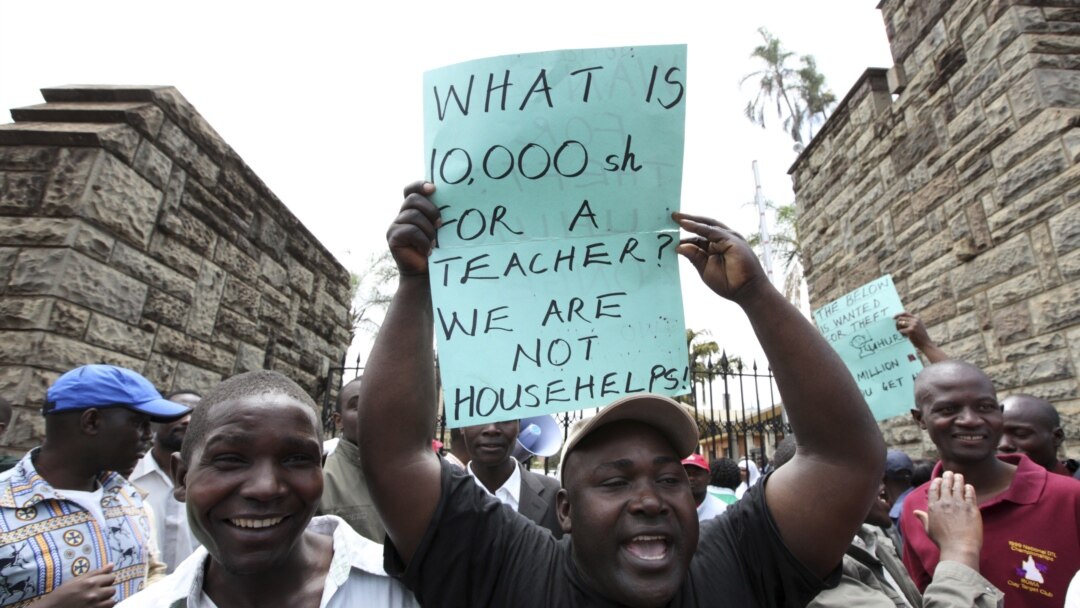
Teachers are required to arrive on time, prepare lessons, assess learners, sit in meetings, handle administrative tasks and, frequently, dip into their own pockets to support school activities. Meanwhile, the cost of commuting, securing decent housing and living away from home has risen sharply, leaving many of the allowances meant to cushion these expenses badly out of step with reality.
A Promise Still Awaiting Delivery
The frustration is sharpened by an expectation set during the signing of the 2025–2029 Collective Bargaining Agreement (CBA) last year, when teachers’ unions were assured that a review of allowances would begin within the current financial year. That assurance raised hopes that long-running concerns over house, commuter, hardship and other allowances would finally be addressed.
Yet the second phase of the CBA, paid out last month, came and went without any adjustment to allowances — leaving teachers asking why the promised review has yet to materialise. A commitment made at a signing ceremony carries little weight if it never shows up on a payslip.
ALSO READ:
Sossion vows to help Ruto overhaul Kenya’s teaching profession
Allowances Have Fallen Out of Step With Costs
At the centre of the debate is a simple question the TSC ought to be asking: what does it genuinely cost a teacher to live and work in Kenya today? The answer differs from one county to the next — housing in major towns is not comparable to housing in rural areas, transport costs vary widely, and the pressures facing teachers in remote or hardship postings are distinct from those in well-served urban centres. A commuter allowance untethered from actual transport costs, or a house allowance that barely dents rent, no longer serves its purpose.
Hardship postings deserve particular scrutiny. A teacher sent to a remote station may contend with poor roads, costly transport, scarce housing, insecurity, limited amenities and long stretches away from family — costs that go well beyond what a basic salary can absorb. If the country wants to keep qualified teachers in difficult stations, compensation has to make those postings genuinely worthwhile; otherwise, teachers will keep seeking transfers the moment an opening appears.
Case for a Predictable Review Mechanism
Like any other workers, teachers pay for food, rent and transport, and as these costs rise, their earnings buy less. Allowance reviews should not be left to the next bargaining cycle by default — there is a case for a predictable, transparent mechanism that adjusts allowances in line with inflation, rental prices, transport costs, and the specific conditions of different duty stations.
This is not simply a call for higher pay. Teacher welfare is closely tied to the quality and stability of education, which is ultimately what makes the allowance question one worth taking seriously.
By Johnstone Omusugu
You can also follow our social media pages on Twitter: Education News KE and Facebook: Education News Newspaper for timely updates.
>>> Click here to stay up-to-date with trending regional stories
>>> Click here to read more informed opinions on the country’s education landscape
>> Click here to stay ahead with the latest national news.