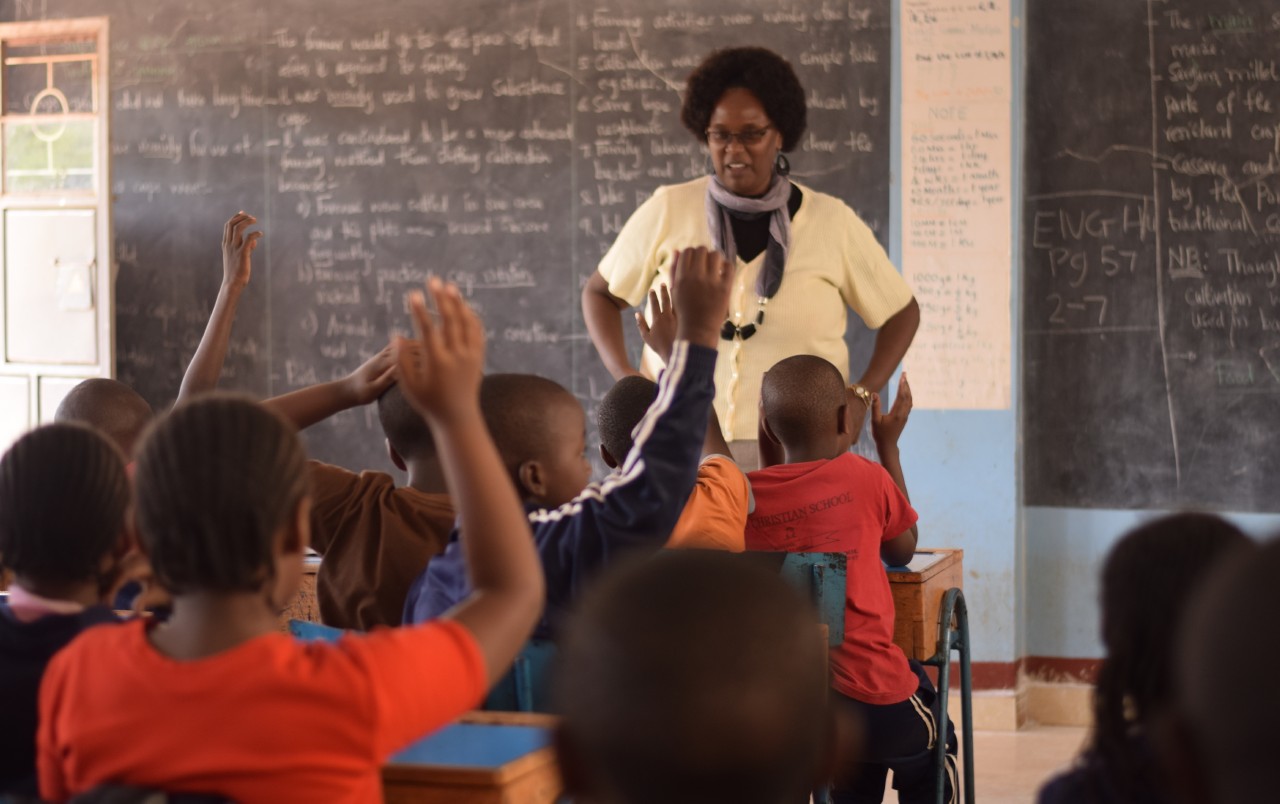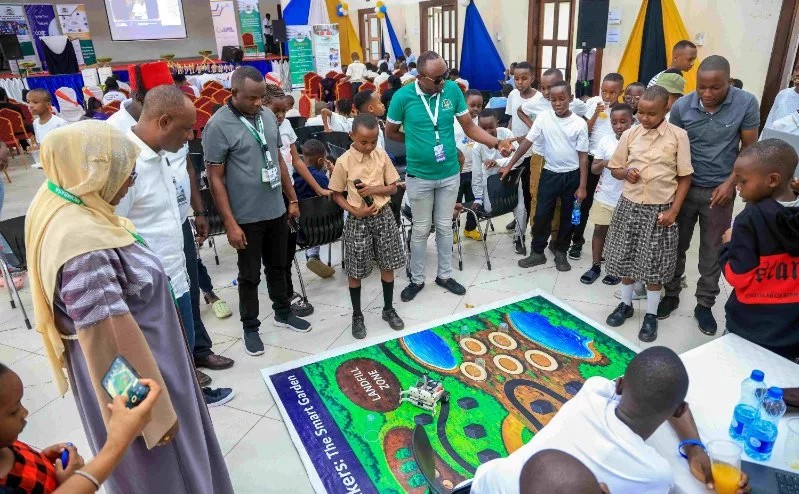
- Learners from ACK Emmanuel Tausa CYDC have won a prize at the East Africa Code Festival 2026 for a robot designed to clean compounds.
- Stakeholders at the festival have called for greater investment in robotics and technology training for children in remote and disadvantaged communities.
- iSkillsMasters Global has announced a six-month incubation programme to help move promising student innovations toward commercialisation.
Learners from ACK Emmanuel Tausa CYDC in Tausa village, Mbololo, Voi Sub-County, showcased their innovation, which impressed and attracted stakeholders during the East Africa Code Festival 2026 held at the Technical University of Mombasa on Saturday.
The learners developed a robot capable of picking rubbish and cleaning compounds, demonstrating the potential of technology and innovation among children from disadvantaged backgrounds.
Grade Six learner Faith Mwahe said she joined the school’s innovation club after becoming concerned about the burden placed on her ageing parents, who wake up early to clean their compound.
“Many people like my parents are tired of bending over to sweep and clean the compound,” Mwahe said.
She said the idea for the robot was also inspired by poor waste-disposal practices in her community, where limited access to compost pits has resulted in residents throwing rubbish indiscriminately.
“That is how the idea came to my mind,” she said.
Mwahe and her fellow club members won a prize for their innovation at the festival, competing against learners from more privileged schools, including international institutions.
Her classmate, Alex Ndambo, said the project had transformed his outlook and exposed him to opportunities beyond his rural home.
“It has opened our minds to the outside world,” Ndambo said.
Basic Education Bill 2026 proposes hefty fines for parents, school heads over attendance and illegal fees
He admitted that he initially lacked interest in the project and felt intimidated by competitors who had greater exposure to technology. However, continued participation in the innovation club helped him develop confidence and curiosity.
“At first, I did not understand anything, and the competitors who were more exposed intimidated me,” he said. “But as time went by, I kept on learning until I believed in myself.”
Computer and robotics teacher, Livingstone Chengo, called for increased investment in robotics and other technological skills among children in remote areas, where exposure to technology and innovation opportunities remains limited.
He said early exposure could help learners expand their imagination beyond the challenges facing their communities.
“These children are from difficult backgrounds. Their parents can ill-afford them three meals a day,” Chengo said, noting that some families depend on Compassion International for support.
Learners urged to embrace Innovation
Livestock Development PS Jonathan Mueke said technology should not only make life easier but also empower young people to create solutions and employment opportunities.
“The children coding today will be the people designing our AI systems, running our technology companies, transforming agriculture, building smart cities, managing our natural resources and creating the industries of tomorrow,” Mueke said.
He challenged young people to move from being consumers of technology to becoming creators and exporters of technological solutions.
“Do not wait for somebody to give you a job today. Build your own and make jobs come to you,” he said.
iSkillsMasters Global CEO Raphael Nyongesa announced a six-month hybrid incubation programme to help promising innovations move from the classroom to commercialisation.
“Our goal is simple. We want to move those projects from innovation to commercialisation,” Nyongesa said.
He said the programme would combine physical mentorship and online engagement, while TUM committed to supporting leading projects through incubation and eventual commercialisation.
TUM Vice Chancellor Professor Leila Abubakar said coding, robotics and artificial intelligence could help address environmental and community challenges facing Kenya.
“This is where we start. And as our President has said, we now have to come up with that vision beyond 2030. I’m seeing that vision is going to be fulfilled by young people today,” Abubakar said.
Kisii University strengthens Kenya-US academic ties on research, AI and Kiswahili
She said universities, schools, teachers, mentors and policy stakeholders must work together to nurture innovations and transform learners into future job creators.
The festival therefore provided more than a platform for competition, giving learners from disadvantaged communities an opportunity to demonstrate that creativity and technological talent can emerge from even the most remote parts of the country.
By Bernard Magada
You can also follow our social media pages on Twitter: Education News KE and Facebook: Education News Newspaper for timely updates.
>>> Click here to stay up-to-date with trending regional stories
>>> Click here to read more informed opinions on the country’s education landscape
>> Click here to stay ahead with the latest national news.