- The Kisii University forum demonstrated Kiswahili’s potential beyond classrooms and ceremonial use.
- Yabesh Onwonga calls for investment in Kiswahili research, artificial intelligence, innovation and scientific communication.
- He says implementation, measurable projects and political will must now replace repeated declarations and conference resolutions.
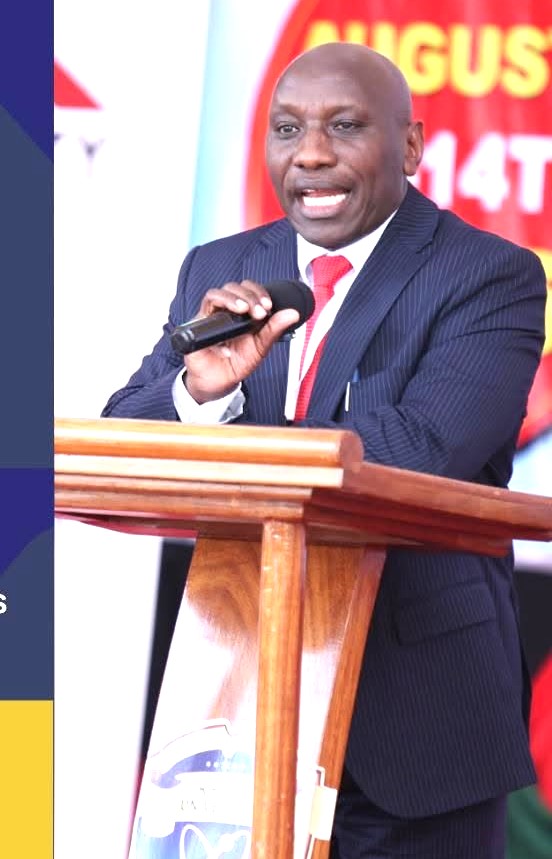
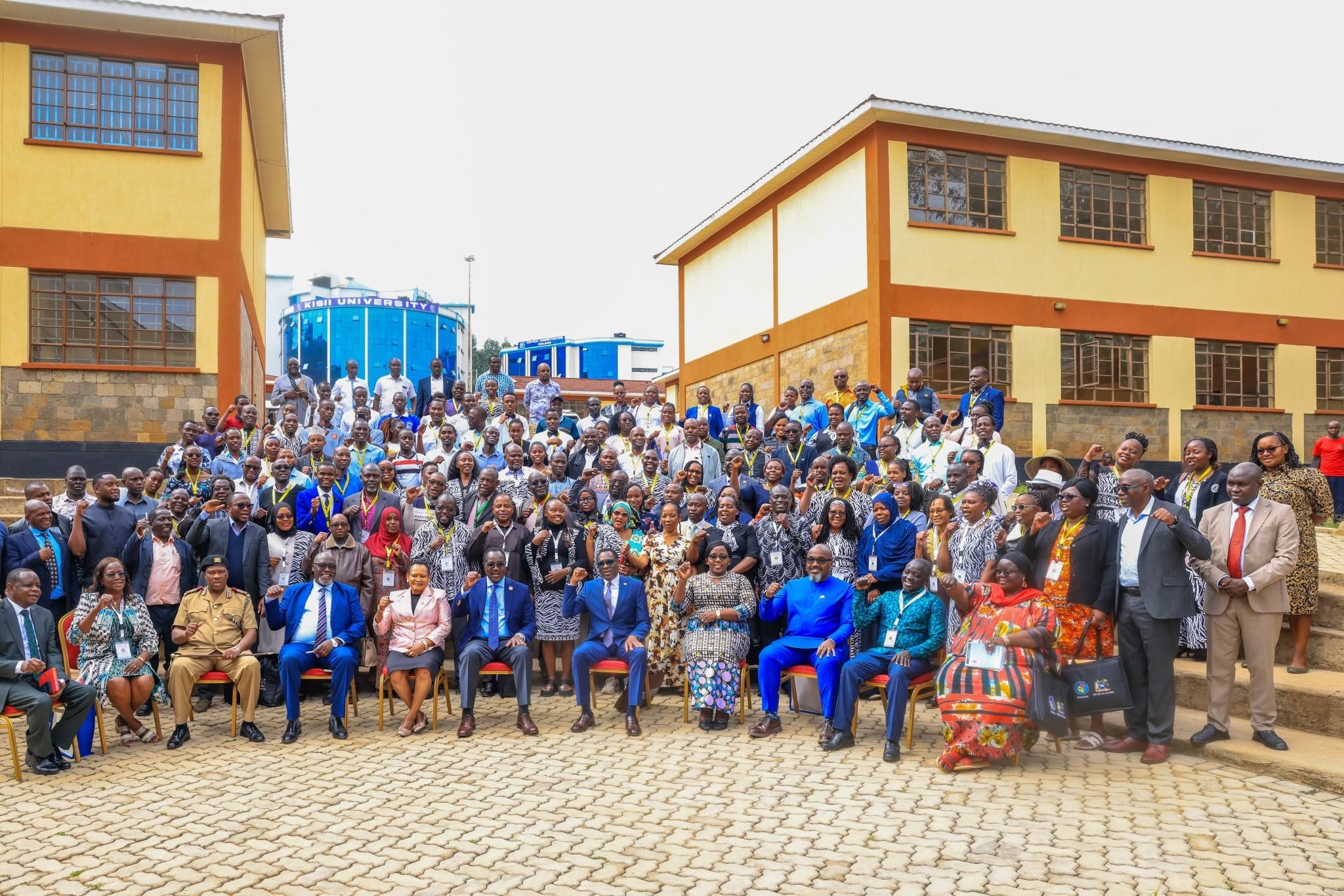
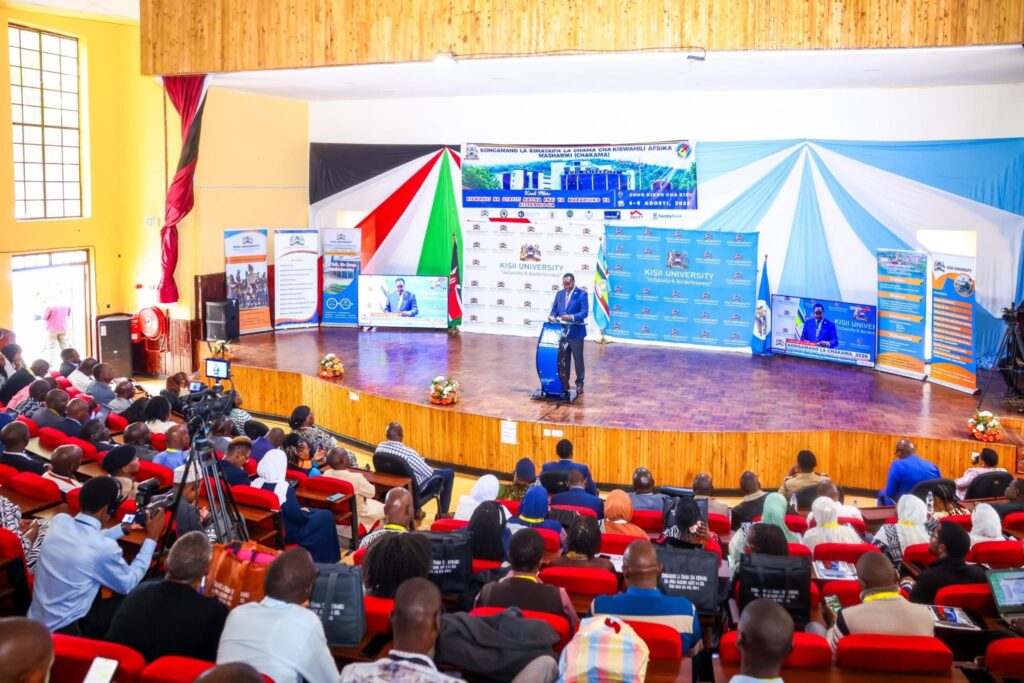
The Kiswahili forum at Kisii University has ended, but its ideas must not end with speeches and resolutions. As Dr Riro Matinde noted, the 23rd International Conference of the Eastern Africa Kiswahili Association brought together scholars and language experts from 11 countries, with Tanzania providing the majority of participants. The conference showed that Kiswahili has outgrown the classroom and can become a major language of research, technology and Africa’s knowledge economy.
This vision also aligns with the message of Education Cabinet Secretary Julius Migos Ogamba, who has emphasised the need for universities to produce research that addresses real societal problems and informs policy. That objective requires knowledge to reach the people who need it. Research locked in technical, English-language publications cannot achieve its full public value if farmers, patients, entrepreneurs and communities cannot access it.
Kiswahili must therefore become part of Kenya’s research and innovation infrastructure—a language of science, medicine, engineering, law, business, artificial intelligence and public policy.
Key recommendations
Establish a Department of Kiswahili and African Languages at Kisii University, focused on research, innovation, language technology and international collaboration.
Create a national Kiswahili Council to coordinate language policy, terminology, translation, research and professional standards.
Launch a national Kiswahili AI programme to develop quality datasets, speech recognition, text-to-speech, translation engines, AI tutors, digital dictionaries and African-language large language models.
Fund young innovators and researchers developing Kiswahili technologies, turning language development into jobs, enterprises and intellectual property.
Strengthen African university partnerships through staff and student exchanges, joint research and collaborative technology projects.
Translate research and government information into Kiswahili, ensuring that knowledge reaches ordinary citizens.
Turn political commitment into investment. Leaders who use Kiswahili to communicate with wananchi should also invest in Kiswahili scientific publications, digital services, research and innovation.
From resolutions to implementation
The Kisii forum should therefore be judged by implementation, not speeches. Dr Riro Matinde’s call for attention to Kiswahili in an era of technological change, combined with CS Ogamba’s emphasis on impactful research, provides a strong foundation.
Africa has enough conferences and declarations. What it needs now is funding, measurable projects and political will.
Kiswahili is not merely an examination subject or ceremonial language. It can be a powerful engine of Africa’s knowledge economy.
READ ALSO: Bomet University sets reporting date for first-year students
The next conference should report what has been built—not simply what has been said.
By Yabesh Onwonga
The writer is a history and language analyst.
You can also follow our social media pages on Twitter: Education News KE and Facebook: Education News Newspaper for timely updates.
>>> Click here to stay up-to-date with trending regional stories
>>> Click here to read more informed opinions on the country’s education landscape
>> Click here to stay ahead with the latest national news.