- Kenya’s 32 public teacher training colleges could become campuses of a single national teacher training institution.
- The proposed reforms seek to establish the Kenya Teacher Training College to coordinate pre-service teacher education.
- If approved, the changes could significantly affect college governance, staffing, funding and teacher training programmes.
Kenya’s 32 public teacher training colleges could soon operate as campuses of a single national teacher training institution under proposed reforms aimed at restructuring teacher education in the country.
The proposed changes are contained in the Pre-Service Education and In-Service Training Bill, 2026, which is among six education reform Bills recently introduced in the National Assembly.
The reforms seek to establish the Kenya Teacher Training College (KTTC) to coordinate pre-service teacher training and bring the existing public teacher training colleges under one institutional framework.
The proposed model follows recommendations by the Presidential Working Party on Education Reform, which called for greater coordination and standardisation of teacher education.
Under the proposal, the colleges would operate as campuses of the new institution rather than functioning as separate entities. The move is expected to create a common system for teacher training, quality assurance, curriculum implementation and professional preparation.
32 colleges listed for transition
The 32 institutions listed for transition are Aberdare, Asumbi, Moi Baringo, Bishop Mahon, Bondo, Borabu, Bunyore, Chesta, St Lawrence Egoji, St Augustine Eregi, Galana, Garissa, Kaimosi, Kamwenja, Kenyenya, Kericho, St Mark’s Kigari, St John’s Kilimambogo, Kitui, Kwale, Machakos, Mandera, Meru, Migori, Mosoriot, Murang’a, Narok, Seme, Shanzu, Tambach, Thogoto and Ugenya teacher training colleges.
The proposed restructuring comes as Kenya continues to implement the Competency-Based Education system, which requires teachers to acquire new skills in areas including technology, practical learning, assessment, inclusion and specialised subjects.
The government has also been seeking to strengthen teacher preparation to ensure tutors and teachers are equipped to meet changing demands in the education sector.
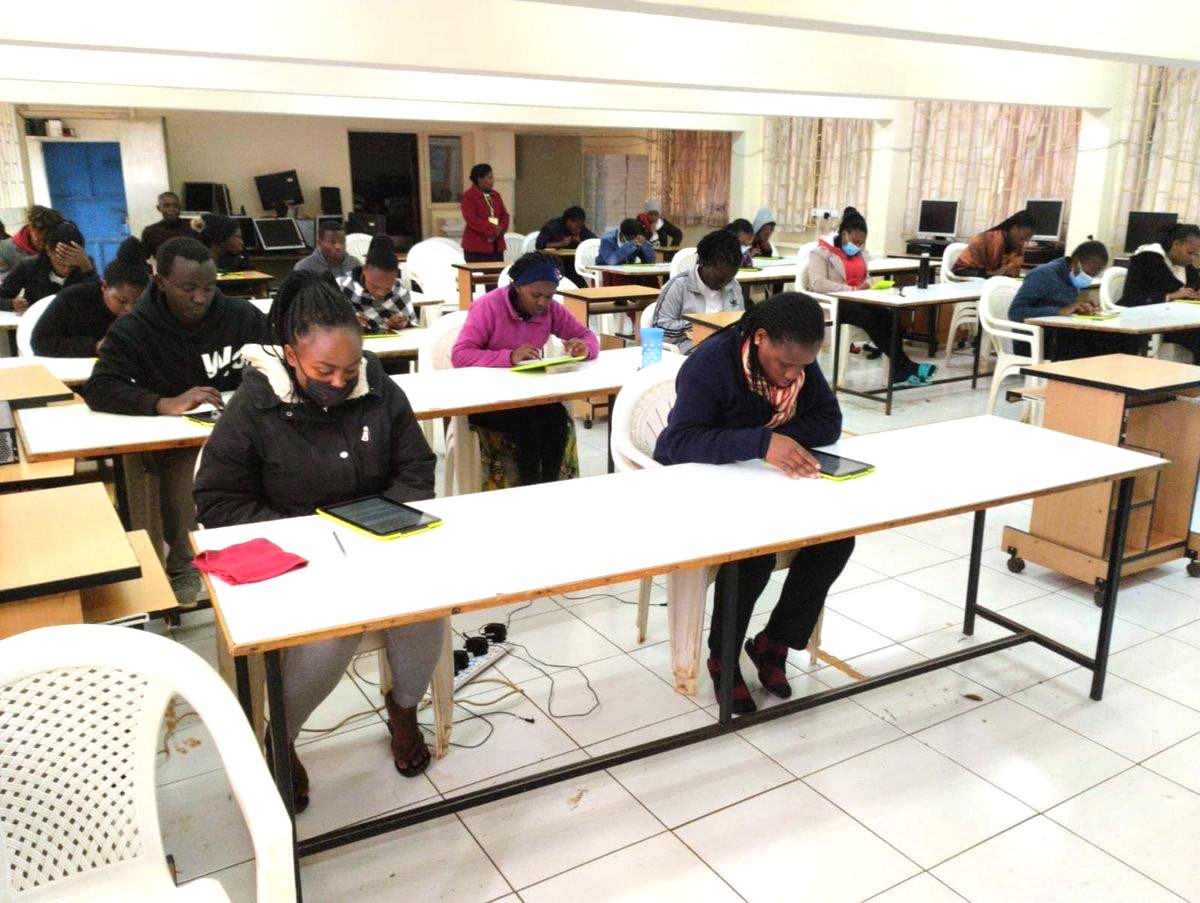
Recent education sector data shows the importance of the colleges in producing teachers. Public primary teacher training colleges enrolled more than 36,000 trainees in the 2024/25 financial year, according to government data.
The colleges have also received investments in ICT infrastructure, with government reports indicating that the 32 institutions had functional ICT-enabled resource centres.
Changes could affect thousands of trainees
The proposed transition could therefore have significant implications for thousands of teacher trainees and tutors.
Among the issues likely to attract attention are the future roles of college principals, governing structures, staff deployment, funding, admission procedures and the management of institutional assets.
It also remains to be seen whether trainees will continue receiving the same qualifications and programmes or whether the proposed national institution will introduce a standardised training structure across all campuses.
However, the proposed changes are not yet final. The Bill must undergo parliamentary scrutiny, including consideration by relevant committees and public participation, before it can become law.
If approved and implemented, the restructuring would mark a major change in Kenya’s teacher education system, placing the 32 public teacher training colleges under one national institutional framework.
READ ALSO: TSC chairperson urges students to help bridge ateacher shortages by pursuing specialised CBE subjects
The government argues that the model could improve coordination and quality while ensuring teacher preparation remains aligned with the Competency-Based Education system and the changing needs of Kenyan schools.
By Our Reporter
You can also follow our social media pages on Twitter: Education News KE and Facebook: Education News Newspaper for timely updates.
>>> Click here to stay up-to-date with trending regional stories
>>> Click here to read more informed opinions on the country’s education landscape
>> Click here to stay ahead with the latest national news.