- Students awaiting HELB funding need to understand the difference between allocation and actual disbursement.
- Tuition and upkeep are processed separately, meaning students do not receive their entire allocation directly.
- Here are seven important things students and parents should know while tracking higher education funding.
Thousands of Kenyan university and TVET students who depend on government financial support are closely monitoring their Higher Education Financing (HEF) accounts as they await updates on their 2026 funding allocations and disbursements.
For many households, this funding is essential in meeting the cost of tuition, accommodation, food, transport, learning materials and other higher-education-related expenses.
However, there is often uncertainty regarding what it means when a student is approved for funding, the amount they should expect in their personal account and when the upkeep component will be released.
The Government’s Student-Centred Funding Model determines financial support based on a student’s assessed level of need and the cost of their programme. Funding may comprise scholarships, loans and household contributions.
As students prepare for the new academic period, here are seven key things students and parents should understand about HELB funding in 2026.
1. Your funding status can be checked online
Students who applied for government scholarships and loans can access their individual funding information through the official HEF Student Portal.
The portal enables applicants to log in and view details related to their funding application.
Students should visit the official HEF Student Portal and sign in using their registered details.
Once logged in, students should carefully review all information displayed on their account, including application progress and funding status.
Students are strongly advised not to rely on screenshots shared in WhatsApp groups or information from peers, as funding decisions are individual.
The amount awarded to one student may differ significantly from that of another, even where they are enrolled in similar programmes.
2. An approved loan does not mean the money is already in your account
This remains one of the most common sources of confusion among students and parents.
HELB guidelines require institutions to confirm student enrolment before disbursement is made.
Students should therefore clearly distinguish between application, allocation and disbursement.
An application refers to the submission of a funding request.
Allocation refers to the approved funding following assessment.
Disbursement refers to the actual release of funds through the designated payment channels.
As a result, a student may see an approved allocation on the portal while still awaiting actual payment.
3. Do not expect the entire funding amount in your M-PESA or bank account
Parents should pay close attention to this point.
Government student funding is not necessarily paid as a single lump sum into a student’s personal account.
Under the current framework, tuition fees are paid directly to the institution, while upkeep funds are credited to the student’s personal account.
This means that if a student’s total allocation includes both tuition and upkeep components, only the upkeep portion is transferred to the student’s personal account.
The tuition component is strictly meant to cover institutional fees.
Parents should therefore avoid assuming that the full allocated amount will be received in cash by the student.
4. Check your phone for payment notifications
Students receiving funds through mobile money should regularly monitor the phone number registered with their HELB account.
Once funds are disbursed, students should check for official payment notifications and confirm that the registered mobile money details are accurate and belong to them.
HELB requires bank or mobile money details to be registered under the applicant’s name and National ID.
It is therefore important for students to ensure that their personal information is correct before expecting any disbursement.
If the portal indicates that funds have been released but the student cannot access them, the first step should be to verify payment details rather than assume the funds are missing.
5. Students without smartphones can still access HELB services
Lack of a smartphone should not prevent students from accessing essential HELB services.
HELB provides a USSD self-service option via *642#.
According to HELB’s official platform, students can use the service to access upkeep funds and manage key loan-related services.
The USSD option is particularly useful for students in areas with limited internet connectivity or those using basic feature phones.
Students may also access services through the HELB mobile application and other approved digital platforms.
6. What to do if your upkeep has not arrived
A student who has been allocated funding but has not received upkeep should not immediately assume that their application has been rejected.
Instead, the following steps should be taken:
First: Log into the HEF portal and review the current funding status.
Second: Confirm whether the institution has completed the required enrolment verification.
Third: Determine whether the funding has been allocated or actually disbursed.
Fourth: If the portal shows that funds have been released, verify the registered bank or mobile money details.
Fifth: Check the phone linked to the account for any official payment notifications.
If the issue persists, students should use HELB’s official customer service channels rather than engaging individuals claiming they can “unlock” or “release” funds.
HELB’s official website provides verified USSD services and customer support contacts for student assistance.
7. Parents should understand the new funding model
The Student-Centred Funding Model has restructured how government financial assistance is provided to eligible higher education students.
Under this model, funding is determined based on assessed financial need and programme cost and may include scholarships, loans and household contributions depending on the student’s circumstances.
This means parents may still be required to contribute towards costs not fully covered by government support.
The model also involves multiple institutions with distinct roles.
HELB administers loans and bursaries, while the Universities Fund provides undergraduate scholarships and grants for government-sponsored students in public universities. The State Department for TVET provides TVET scholarships, while institutions receive tuition funding and play a role in confirming students.
Parents should therefore avoid viewing HELB as the sole provider of all university-related expenses.
The big warning: Be careful of HELB scams
As students await funding, fraudsters may attempt to exploit their anxiety by claiming they can influence allocation or speed up disbursement.
Students should rely exclusively on official HELB and HEF platforms.
HELB emphasises that applications must be submitted through approved channels, with accurate personal, academic and financial information.
Students should never share passwords, PINs or any sensitive account details with third parties.
They should also be cautious of anyone requesting payment to “activate,” “unlock” or “release” government funds.
What parents should ask their children
Instead of simply asking, “Have you received your HELB money?”, parents should encourage clarity by asking:
Has funding been allocated?
How much has been allocated for tuition and upkeep?
Has the upkeep component been disbursed?
These questions help eliminate confusion, as allocation and actual payment are not the same.
The bottom line for 2026 students
Students awaiting HELB funding should treat the HEF portal as their primary source of information.
The most reliable information is not what circulates on WhatsApp, what peers report or what informal sources claim, but what appears on the student’s official funding account.
Students should regularly monitor their HEF accounts, ensure their personal and payment details are accurate and keep track of official payment notifications.
Parents, on the other hand, should understand that tuition and upkeep are processed separately.
Tuition is paid directly to institutions, while upkeep is disbursed to students through approved payment channels.
For official access, students should use the HEF Student Portal and HELB’s verified digital platforms rather than links shared by unknown sources.
READ ALSO: Nyamira boda boda leader blames irresponsible adults for surge in teenage pregnancies
The key message for students is simple: verify your status, understand your allocation and confirm actual disbursement before making any financial commitments.
By Hillary Muhalya
You can also follow our social media pages on Twitter: Education News KE and Facebook: Education News Newspaper for timely updates.
>>> Click here to stay up-to-date with trending regional stories
>>> Click here to read more informed opinions on the country’s education landscape
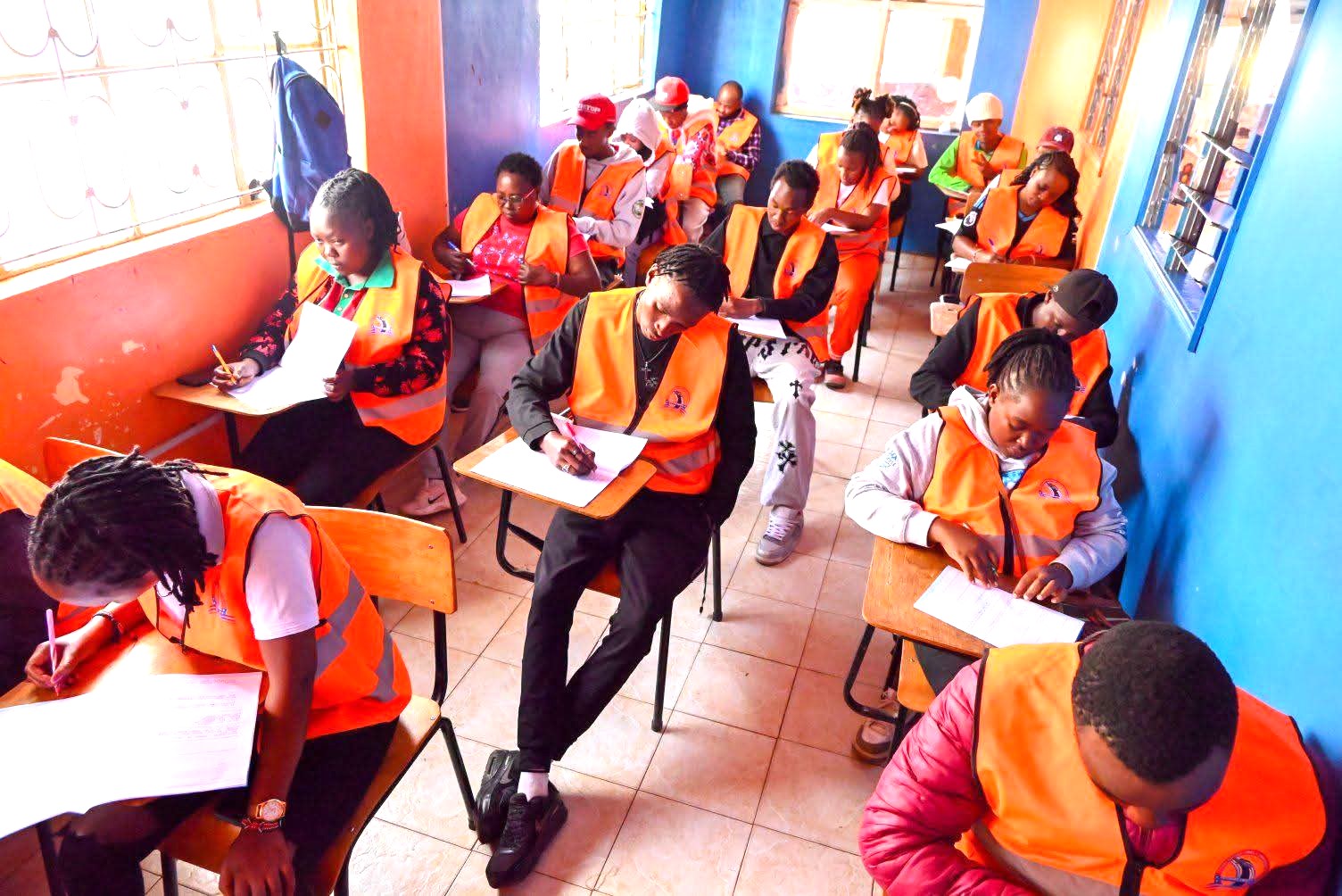
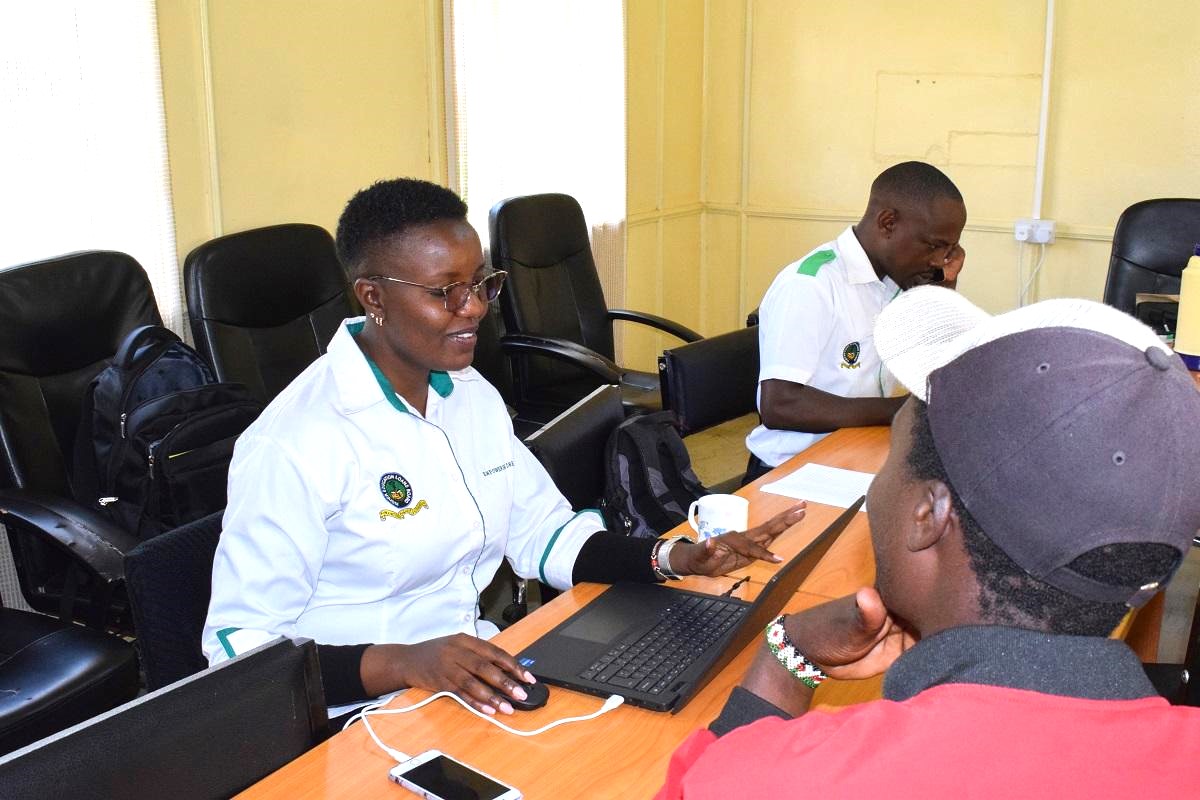
University students follow proceedings during a past campus engagement. Students awaiting HELB funding are advised to distinguish between allocation and actual disbursement.