- The Ministry of Education has restricted large gatherings such as prayer days, AGMs and prize-giving ceremonies in schools during Term Three.
- Officials have clarified that the directive targets large external gatherings, not ordinary internal prayer or spiritual support for learners.
- The Ministry has linked the restrictions to both examination preparation and school security, noting the policy builds on an earlier 2021 circular.
The Ministry of Education (MoE) has restricted prayer days, Annual General Meetings, prize-giving ceremonies, thanksgiving events and other large gatherings in schools during Term Three, a move officials say is aimed at protecting instructional time as national examinations approach.
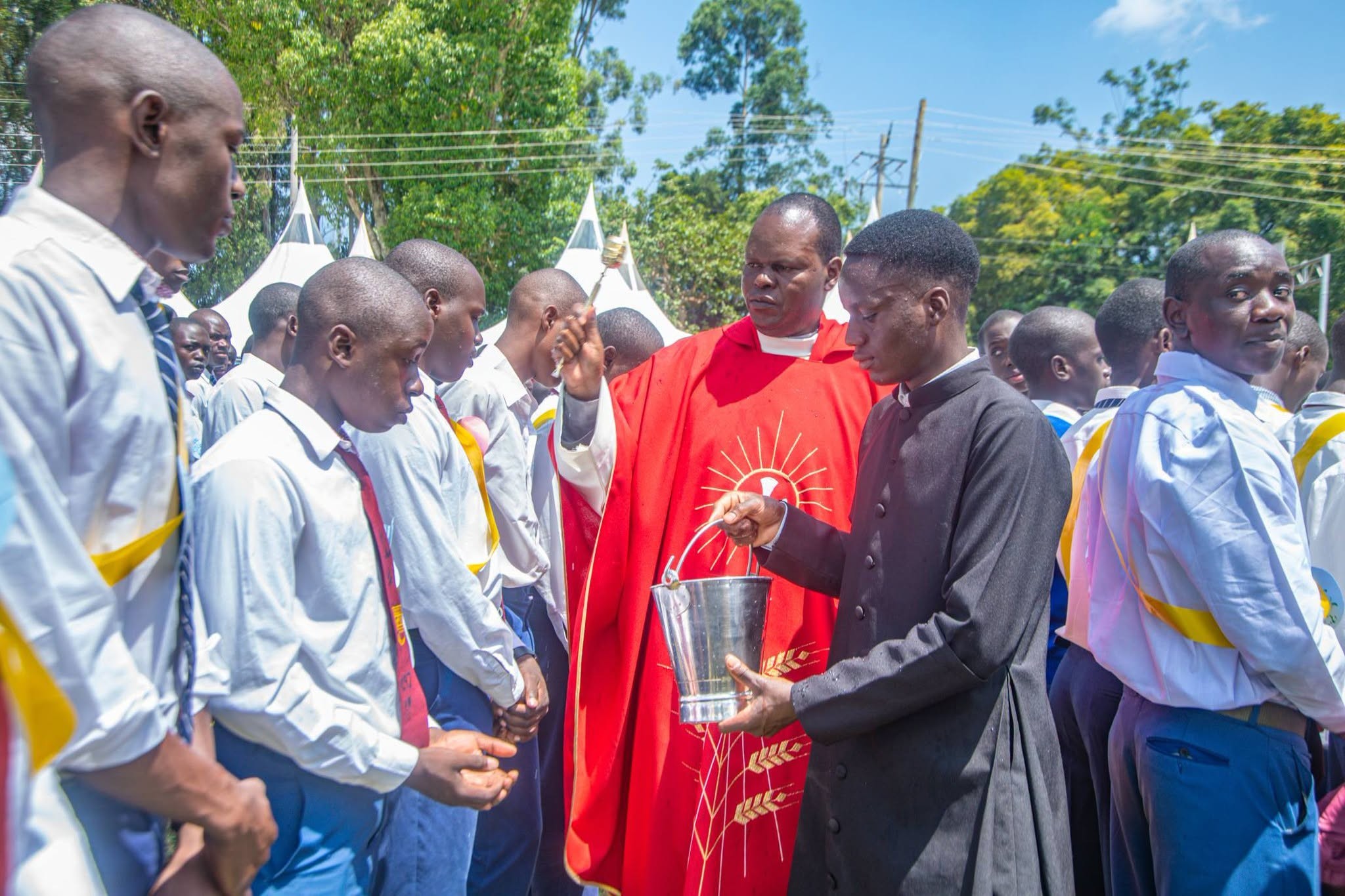
The restrictions do not amount to a ban on prayer in schools, but target large, externally attended gatherings that consume school time, bring outsiders onto school compounds and risk distracting learners during the most examination-sensitive part of the academic year. That distinction, officials say, has often been lost in public debate over the directive.
The Ministry’s circular, issued on 27 August 2025 by then Principal Secretary for Basic Education Amb. (Prof.) Julius K. Bitok, placed Term Three within an examination-focused framework, directing schools to prioritise preparation for national examinations and assessments and minimise activities capable of disrupting that preparation. Behind the administrative language of the circular lies a broader concern about how schools use the limited instructional time available to them in the final term of the academic year, when teachers are consolidating learning, candidates are revising, and national examinations draw closer by the week.
The policy distinguishes between ordinary internal prayer, led by teachers and integrated into the school day, and large-scale external prayer events that can dominate the timetable. Under the directive, internal prayer and spiritual support for learners can continue, while large gatherings involving outside visitors are restricted during the term. Officials maintain that this distinction should settle much of the controversy that has followed the directive, since faith remains important to millions of Kenyan families and schools are not being asked to eliminate legitimate spiritual support for learners. The concern, rather, is with events that pull candidates out of lessons and bring large numbers of outsiders onto school compounds during a period when every lesson counts.
“We teach your children, who will educate ours?” ECDE teachers demand fair pay, dignity and formal contracts
Officials argue that activities such as AGMs, prize-giving ceremonies and thanksgiving services can instead be scheduled in Term One or Term Two, when they do not compete directly with candidates’ final examination preparation. Under this arrangement, Term One would remain available for planning, orientation and stakeholder engagement, Term Two would accommodate broader community programmes and celebrations, while Term Three would be reserved primarily for learning, revision, assessment and examination preparation. The rationale is that while such activities remain important to parents, boards of management and communities, none of them should take priority over a candidate’s final preparation for national examinations during Term Three. Parents remain critical partners in education, and boards of management still require consultation and engagement, but officials contend that important as these functions are, they are not more important than a candidate’s final weeks of preparation for a national examination.
Protecting Instructional Time as Examinations Approach
At the centre of the directive is a simple but often overlooked reality: a lesson lost to an unnecessary meeting or ceremony is not merely an empty slot on a timetable. It can represent a missed explanation, a missed revision exercise, or a missed opportunity for a teacher to identify that a learner has not grasped a concept. For a candidate approaching a national examination, such losses can accumulate over the course of a term.
That is part of why the Ministry has treated Term Three differently from the rest of the academic calendar. It is regarded as the final academic runway before national assessments, a period in which schools are expected to identify learning gaps, consolidate revision and give candidates uninterrupted access to their teachers and classrooms. Officials argue that a school’s success should not be measured by how many events it can organise, but by whether learners have had sufficient quality instructional time to prepare adequately for their examinations.
This is also where the directive intersects with school security. As national examinations approach, schools become increasingly sensitive environments, and controlling who enters and exits a compound, limiting the movement of outsiders, and protecting examination-related processes are considered part of safeguarding examination integrity. Kenya has experienced its share of school unrest, fires and other insecurity incidents in recent years, and officials say restricting large gatherings during this period is partly a precautionary measure to keep school environments manageable and secure as examinations near. A school hosting a large external event, officials note, is by definition harder to monitor than one operating under its normal, controlled daily routine, and reducing unnecessary movement of visitors during this window is treated as a straightforward extension of that principle.
ALSO READ:
TVET CDACC opens registration portal for November/December 2026 exams
A Longer-Running Effort to Protect Term Three
The current directive is not the first of its kind. An earlier Ministry circular dated 21 January 2021 also contained restrictions relating to third-term activities and visits, with subsequent reminders continuing to emphasise the need to protect the final term from unnecessary disruptions. The 2025 circular should therefore be viewed as part of a longer-running effort by the Ministry to make Term Three more examination-focused, rather than a sudden or isolated policy shift.
That history suggests the Ministry has, over several years, sought to draw a clearer line around how schools use Term Three, even as compliance and public understanding of the restrictions have varied. The renewed emphasis in the 2025 circular comes against the backdrop of continuing debate among parents, religious institutions, school administrators and communities over how to balance spiritual support, stakeholder engagement and ceremonial traditions with the demands of examination preparation.
ALSO READ: CS Ogamba defends new university funding model, says every student will get support
For now, the Ministry’s position remains that schools can still pray, counsel and mentor learners internally, and that parents and communities can still participate in school life, but that large external gatherings capable of disrupting the timetable should be scheduled outside Term Three. Whether schools, religious institutions and communities fully align their calendars with that expectation will likely determine how effectively the directive achieves its stated goal of protecting instructional time during the country’s most examination-sensitive term.
By Hillary Muhalya
You can also follow our social media pages on Twitter: Education News KE and Facebook: Education News Newspaper for timely updates.
>>> Click here to stay up-to-date with trending regional stories
>>> Click here to read more informed opinions on the country’s education landscape