- Behind every successful primary school is a principal balancing leadership, administration, teaching support and community engagement every day.
- From managing crises and guiding teachers to supporting learners and working with parents, the role extends far beyond the school office. It is a demanding journey that shapes not only schools but also the future of the nation.
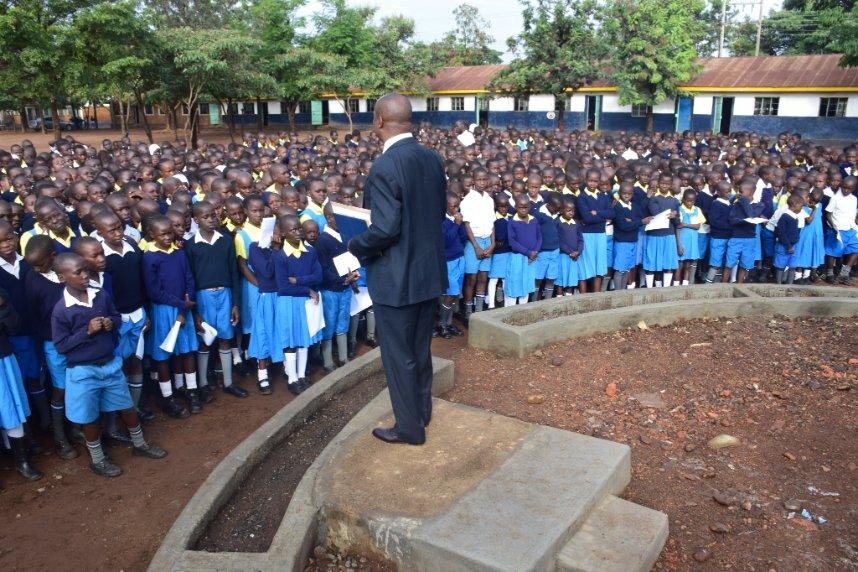
The life of a primary school principal is often misunderstood. To many people, the principal is the person who sits in the office, signs documents, chairs meetings, presides over assemblies and occasionally addresses parents. Yet behind the office door lies one of the most demanding and multifaceted leadership roles in Kenya’s education system.
A primary school principal is an instructional leader, administrator, financial manager, counsellor, disciplinarian, community mobiliser, child protection advocate and crisis manager—all at the same time. The work is deeply rewarding, but it is also relentless. A year in the life of a principal is not defined merely by school terms and examination results. It is a continuous journey of leadership, adaptation, difficult decisions and countless human encounters.
The school year often begins long before learners report. During the holiday, the principal is already thinking about staffing, enrolment, classrooms, textbooks, school fees, infrastructure, timetables and academic targets. In public schools, the principal may be following up on capitation, preparing financial records, responding to ministry directives and ensuring that the school is ready to receive learners. In private schools, the pressure may include enrolment targets, fee collection, staff recruitment and maintaining the institution’s reputation.
When schools reopen, the gates become the first leadership station. The principal welcomes learners, speaks with parents, observes the mood of the school and notices what official reports may never reveal. A child arriving late, a learner wearing a damaged uniform or a parent asking to speak privately may signal a challenge that requires immediate attention.
The principal is constantly reading the emotional temperature of the school.
By the time the morning assembly ends, several issues may already be waiting. A teacher may be absent. A classroom may have a broken window. A parent may be demanding an explanation. A learner may have fallen ill. A supplier may be waiting for payment. The school bus may have developed a mechanical problem, or a water shortage may threaten the normal running of lessons.
The carefully prepared programme for the day can disappear within minutes.
Leadership beyond the office
This is one of the least understood aspects of school leadership: the principal’s timetable is often only a working draft. Education leaders plan, but they must also pivot. A meeting on curriculum implementation may be interrupted by an emergency. A lesson observation may be postponed because a learner requires urgent support. A strategic discussion may give way to a dispute between parents, teachers or learners.
These interruptions are not separate from the principal’s work. They are the work.
The principal must become the stabilising presence in the institution. When teachers are anxious, parents are frustrated or learners are unsettled, the principal is expected to remain calm. Leadership is sometimes less about having immediate answers and more about creating confidence that a solution will be found.
At the centre of the role is learning. A principal must understand what is happening in classrooms. Are teachers adequately prepared? Are learners acquiring the expected competencies? Are assessment results improving? Are struggling learners receiving support? Are gifted learners being challenged? Are teachers interpreting the curriculum correctly?
Under Kenya’s Competency-Based Education system, instructional leadership has become even more important. The principal must support teachers as they navigate competency-based learning, continuous assessment, differentiated instruction, projects and learner-centred approaches. This requires more than checking lesson plans. It demands professional conversations about pedagogy, assessment and learner outcomes.
A principal who rarely enters classrooms may know the school’s statistics but fail to understand its learning culture.
The academic year also brings the pressure of assessment. Examination results are often treated as the ultimate measure of a school’s effectiveness. Parents compare schools. Boards demand improvement. Teachers are expected to raise performance. Yet a responsible principal understands that education cannot be reduced to grades alone.
The principal must balance academic excellence with character formation, creativity, discipline, wellbeing and inclusion. A school may produce excellent examination results but still fail if learners are unsafe, teachers are demoralised or vulnerable children are ignored.
Working with teachers, parents and the community
Beyond academics lies the demanding work of managing people. Teachers have different strengths, personalities, ambitions and challenges. Some require encouragement. Others need professional guidance. Some may be experiencing personal difficulties that affect their work. The principal must build a staff culture in which accountability and support coexist.
Staff meetings are therefore more than administrative gatherings. They are opportunities to clarify vision, solve problems, recognise achievement and renew commitment. A thoughtful principal understands that motivated teachers are among the strongest foundations of a successful school.
Parents are another important part of the principal’s year. They are partners in education, but relationships can sometimes be difficult. A parent may question a school decision, challenge a teacher, complain about fees or demand special consideration for a child. The principal must listen carefully, communicate respectfully and protect the best interests of the learner.
The strongest schools do not treat parents as customers or outsiders. They build genuine partnerships based on trust and shared responsibility.
The principal’s responsibility also extends beyond the school gate. In many Kenyan communities, the school is a centre of public life. It hosts meetings, sports activities, cultural events, elections and community programmes. The principal may be called upon to work with local leaders, education officers, religious organisations, sponsors and development partners.
In rural communities, the principal may help mobilise support for classrooms, water projects, school feeding programmes or learner welfare. In urban areas, the principal may confront overcrowding, insecurity, poverty and intense competition among schools.
In both settings, the principal becomes a civic leader.
Small acts, lasting impact
Yet some of the most important moments in a principal’s year are the smallest. They may not appear in official reports or strategic plans. A principal notices a quiet learner sitting alone during break time. They remember the name of a child who has been absent. They congratulate a teacher after a successful lesson. They provide lunch to a learner who came to school hungry. They visit a sick member of staff or comfort a family after a bereavement.
These acts may appear ordinary, but they shape the culture of the school.
They communicate a powerful message: You are seen. You matter. You belong here.
By the end of the year, the principal may look back on meetings attended, reports completed, budgets managed, classrooms repaired and academic targets pursued. But the true impact of leadership is found in people.
It is found in the learner who gained confidence, the teacher who became more effective, the parent who began to trust the school and the community that came together to support education.
Primary education is not merely preparation for secondary school. It is where children develop identity, values, curiosity, confidence and the foundations of citizenship. The primary school principal therefore carries a responsibility that reaches far beyond administration.
Every morning greeting, every classroom visit, every difficult decision and every act of kindness contribute to the kind of society Kenya will become.
READ ALSO: Beyond graduation: What every graduate should know before entering the job market
A year in the life of a primary school principal is demanding, unpredictable and often exhausting. But it is also an extraordinary form of nation-building. The principal is not simply managing a school. They are helping shape children, strengthen communities and build the future—one school day at a time.
By Ashford Kimani
Ashford is a teacher of English and Literature and writes on education and social affairs.
You can also follow our social media pages on Twitter: Education News KE and Facebook: Education News Newspaper for timely updates.
>>> Click here to stay up-to-date with trending regional stories
>>> Click here to read more informed opinions on the country’s education landscape
>>> Click here to stay ahead with the latest national news.