- Religious leaders have urged the gov’t to review the Competency‑Based Education Curriculum, warning that sidelining faith‑based subjects has weakened moral and ethical education among learners.
- President Ruto has assured clerics that Madrasa and Duksi studies will be formally integrated into the education system through a new policy and legal framework.
- Education stakeholders have welcomed the move, saying it has balanced academic competence with moral instruction, ensuring learners are prepared to contribute positively to society.
Religious leaders have urged the government to review the Competency-Based Education Curriculum (CBE), warning that reduced emphasis on faith-based subjects is eroding the moral and ethical foundation of learners.
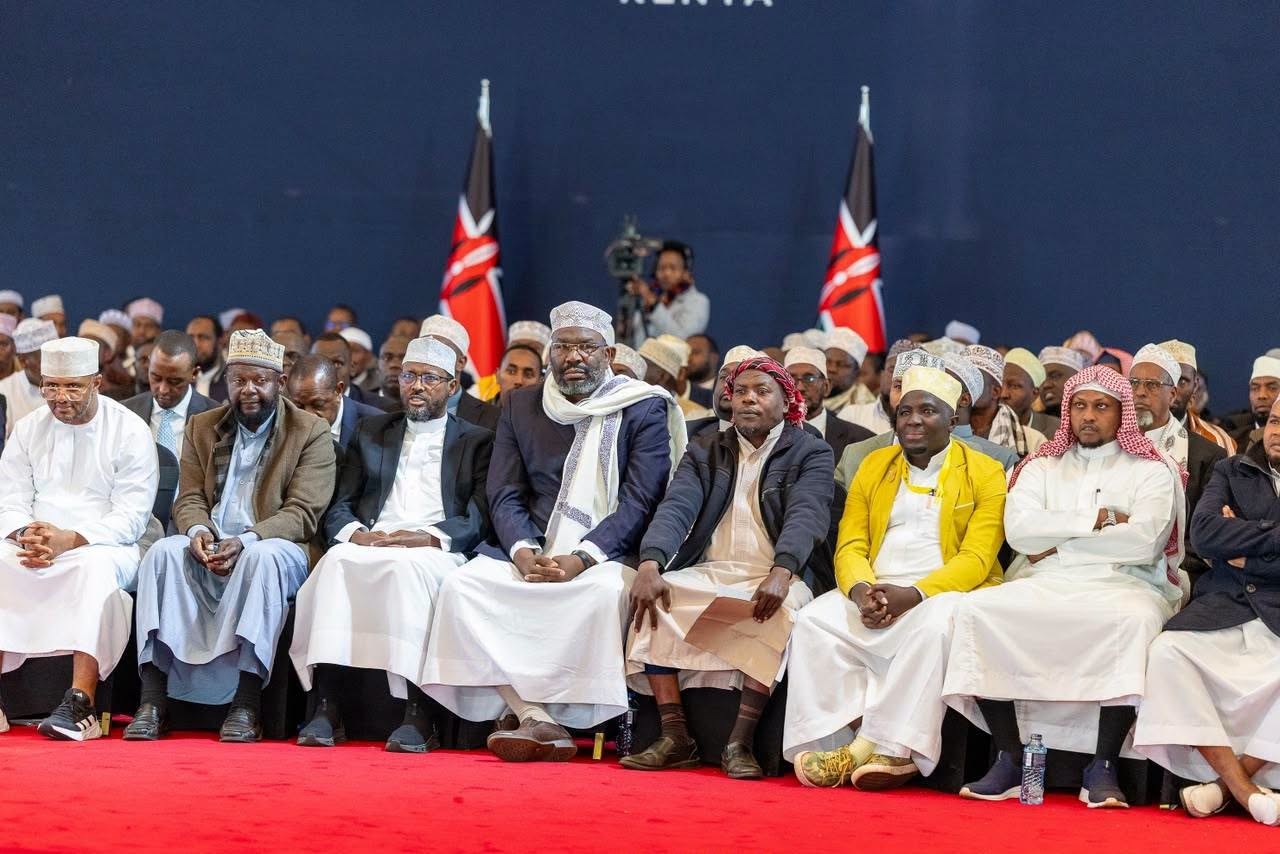
Speaking during a meeting with President William Ruto at State House, Nairobi, the clerics said they support the CBE system but expressed concern that Christian Religious Education (CRE), Islamic Religious Education (IRE) and Hindu Religious Education (HRE) have been sidelined. They cautioned that while the curriculum is producing competent professionals, it risks graduating a generation without strong moral values or spiritual grounding.
“We support CBE, but in one way or another it has affected religious studies. It has affected CRE, IRE and HRE. We will have doctors, engineers and pilots, but they will not have morals or know God,” one of the sheikhs told the President.
In response, President Ruto assured the leaders that his administration is taking steps to formally integrate Madrasa and Duksi studies into Kenya’s education system. He said the Ministry of Education has been directed to develop a policy and legal framework that will recognise the two religious learning programmes under the Basic Education Act.
“We agreed on this issue. You asked that Madrasa and Duksi studies be integrated into the education system and recognised through the Ministry of Education. I directed the ministry to develop the necessary policy and legislation so that Madrasa and Duksi become part of our education system,” Ruto said.
ALSO READ:
Bishop Muheria challenges catholic schools to balance faith, morality and academic excellence
The President reaffirmed his government’s commitment to equal treatment of all Kenyans, stressing that there is no distinction between Christians and Muslims or between citizens from different regions, as all are equal under the Constitution.
His remarks echoed an announcement he made during this year’s Madaraka Day celebrations in Wajir, where he instructed the Ministry of Education to begin consultations on integrating Madrasa, Duksi and pastoral instruction programmes into the basic education system.
At the time, Ruto directed the Cabinet Secretary for Education to engage stakeholders and recommend measures for formal recognition of the programmes.
ALSO READ: KNEC KSh6.7 billion funding gap raises concerns as CBE assessment system faces a major test
Education stakeholders have welcomed the move, saying it will strengthen moral instruction while ensuring that religious learning is not overshadowed by technical and professional training. They argue that integrating faith-based studies into CBC will balance academic competence with ethical development, preparing learners to contribute positively to society.
By Masaki Enock
You can also follow our social media pages on Twitter: Education News KE and Facebook: Education News Newspaper for timely updates.
>>> Click here to stay up-to-date with trending regional stories
>>> Click here to read more informed opinions on the country’s education landscape