- Students should be encouraged to pursue careers with a purpose beyond earning a living, communication specialist Kennedy Buhere argues.
- He says education should inspire young people to solve society’s problems rather than simply aspire to prestigious professions.
The test of any man lies in action. — Pindar
Last year, I attended a prayer session for KCSE candidates at a school in Kakamega County.
The guests who spoke before me urged the students to do well and become engineers, doctors, lawyers, teachers, nurses and other professionals. These are careers they would pursue in universities and middle-level colleges.
This is a familiar theme I have heard for more than 30 years of my working life. Most speakers who addressed students during district education days or annual general meetings almost always encouraged them to aim at becoming one professional or another.
There was nothing really new that the students had not already heard from their parents, guardians, teachers and motivational speakers.
Excelling in KCSE means a student is likely to qualify for courses leading to engineering, medicine, law, teaching and many other professions.
What students are rarely told is that their ambition should go beyond becoming engineers, doctors, lawyers, teachers or nurses. Instead, they should think about what they want to do with their lives after formal education and training.
A bright student with sufficient motivation and access to quality primary and secondary education can excel in KCSE and qualify for university education.
The more challenging question, however, is what that student will do after becoming what he or she worked so hard to become.
Whatever a student wants to become is attainable through hard work, diligence, focus and discipline. With these qualities, the student eventually graduates and joins the profession he or she dreamed about in childhood, or perhaps another equally exciting and rewarding career.
However, the excitement often fades. Why? Because earning a living is not the ultimate purpose of life. One eventually discovers this after attaining material comfort.
A listening and gracious God answers one’s prayers and dreams. Once the dream is achieved, what remains to drive that person?
For many, there is a feeling of triumph—of having arrived. The danger is falling into what English poet William Wordsworth described in The World Is Too Much with Us:
“Getting and spending, we lay waste our powers;
Little we see in Nature that is ours.”
We risk reaching a point where we have nothing meaningful left to live for.
Dream of solving society’s problems
Former Liberian President Ellen Johnson Sirleaf warned Harvard University graduates against embracing small dreams during her 2011 commencement address.
She observed:
“If your dreams do not scare you, they are not big enough. If you start off with a small dream, you may not have much left when it is fulfilled because along the way, life will challenge your dreams and make demands on you.”
Small dreams do not produce heroic men and women. Rather, society needs people who can, in the words of Wordsworth’s poem London, “raise us up, return to us again; and give us manners, virtue, freedom, power.”
Where can students find the motivation to dream big?
They can discover it through books—both fiction and non-fiction. Such works are filled with issues, problems, challenges and crises that require solutions.
Within their communities are people transforming lives. The media constantly highlights individuals championing important causes. Society itself—socially, politically, economically and environmentally—is full of problems waiting to be solved.
An intelligent student observes these realities and resolves: “When I get the opportunity, I will do something about this problem.”
The desire to solve problems provides a far stronger motivation than merely wanting to become something. Such a student sees himself or herself as an agent of change, serving a purpose greater than personal ambition. Like Hercules in Greek mythology, such a learner prepares not merely to pass examinations but to acquire the knowledge needed to confront life’s challenges.
Learning from great leaders
This is the lesson taught by many benefactors of humanity—statesmen, scientists, inventors, teachers, journalists and saints. They recognised society’s problems and prepared themselves to solve them.
I think of Abraham Lincoln, who preserved the Union and abolished the legal foundation of slavery in the United States within four years of taking office.
Margaret Thatcher helped restore Britain’s economy and repositioned the country among the world’s leading industrial nations.
One need not become a president to transform society.
Wilhelm von Humboldt, while serving as Prussia’s Minister of Education, introduced reforms in elementary, secondary and higher education that continue to influence Germany’s education system and universities worldwide.
Kenya also had Dr Taita Arap Towett, whose tenure as Minister for Education in the 1970s strengthened primary education across the country. Regardless of which primary school one attended, pupils acquired strong literacy and numeracy skills that prepared them for secondary education, employment and village polytechnics.
John Michuki also demonstrated what purposeful leadership can achieve. He transformed public transport, improved security in Central Kenya and championed the rehabilitation of the Nairobi River.
These were leaders who refused to be defined merely by the offices they held. They confronted society’s challenges and sought lasting solutions.
Doing matters more than becoming
Becoming is not the ultimate goal. Doing is.
Every individual should see himself or herself as an agent of something greater than personal ambition. Institutions, communities and nations exist for higher purposes that demand service and commitment.
Former Mexican President Felipe Calderón captured this well during his 2011 commencement address at Stanford University:
“What does it mean to have such a distinguished privilege? It means that you have the opportunity to serve others and to become an agent for the kind of positive change this world needs, with the talent and courage to act and to do what so many have said was impossible.”
Higher education gives students precisely that opportunity—to serve others and become agents of positive change.
Working hard to become successful is important. However, pursuing status alone often leads to frustration and dissatisfaction.
READ ALSO: Mogotio MP orders arrests over child labour at Lombogishu Quarry
Young people should identify early what they want to do for society. That purpose will give lasting meaning to their education, careers and lives.
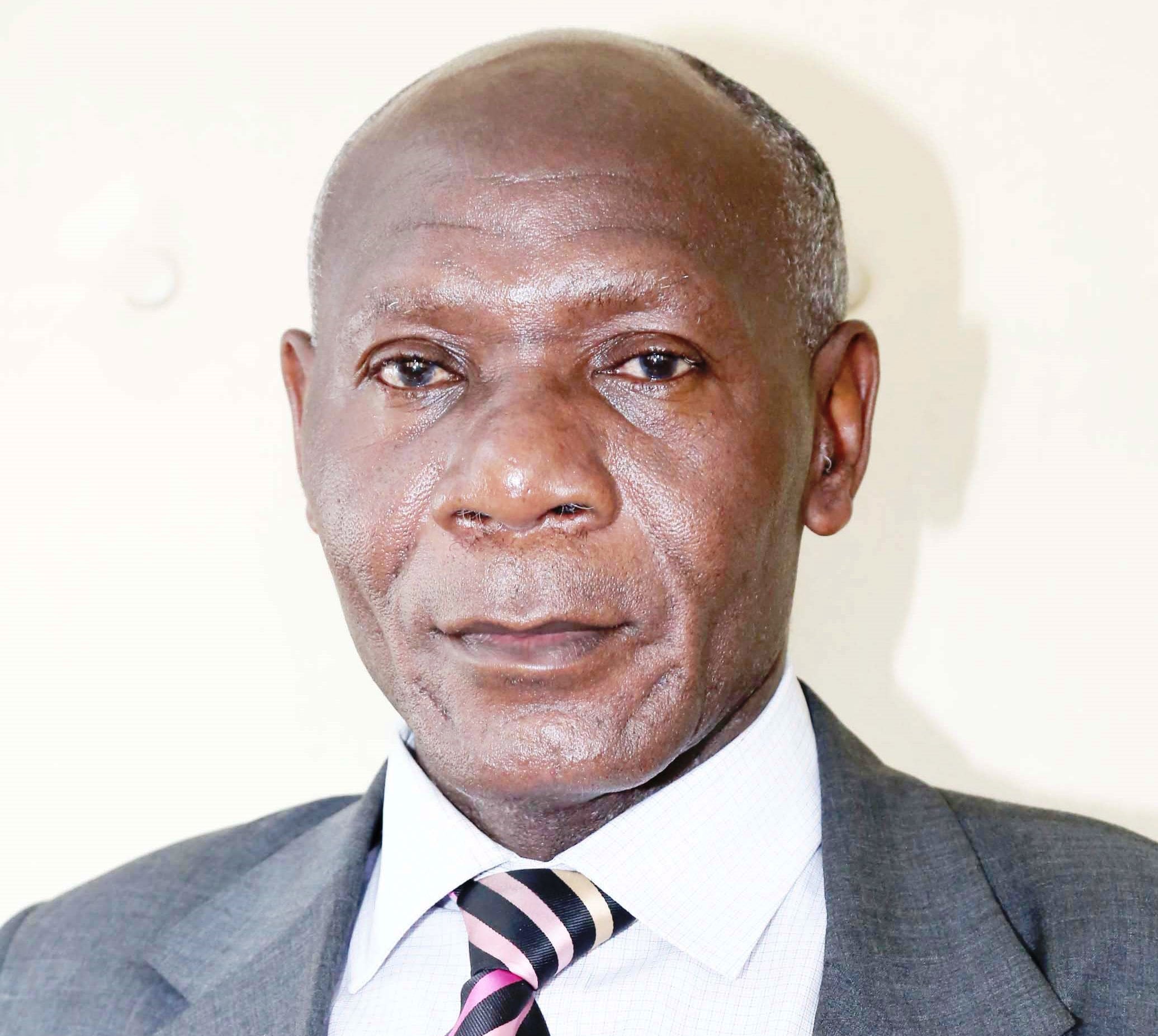
By Kennedy Buhere
Kennedy Buhere ia a Communication Specialist
You can also follow our social media pages on Twitter: Education News KE and Facebook: Education News Newspaper for timely updates.
>>> Click here to stay up-to-date with trending regional stories
>>> Click here to read more informed opinions on the country’s education landscape
>>> Click here to stay ahead with the latest national news.