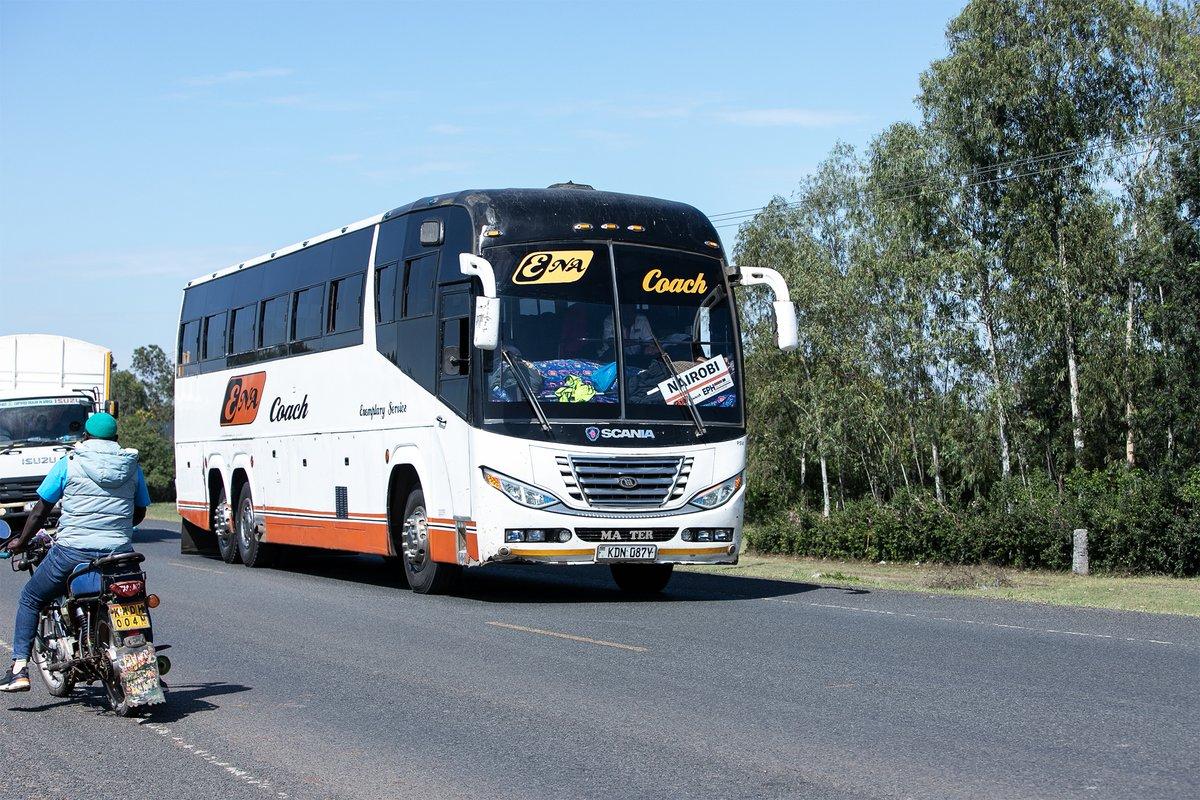
- ENA Coach’s new advisory on travel requirements for passengers accompanied by minors has triggered widespread public debate.
- While some Kenyans say the measures may inconvenience genuine travellers, others argue they are necessary to enhance child protection.
- The discussion has reignited conversations about balancing passenger convenience with the safety of vulnerable travellers.
A fresh advisory issued by ENA Coach requiring passengers travelling with minors to comply with specific travel requirements has ignited widespread debate across Kenya, exposing the delicate balance between child protection and passenger convenience.
The transport company has urged parents, guardians and other adults accompanying children to familiarise themselves with the applicable travel guidelines before reporting to its booking offices and departure terminals. According to the company, the advisory is intended to eliminate last-minute inconveniences, speed up the boarding process and ensure every child travels under the care of an authorised adult.
The notice comes at a time when thousands of families are on the move during the school holidays, a period that traditionally records a sharp increase in inter-county travel as learners visit relatives, return home or head for vacation destinations.
Almost immediately after the advisory was circulated online, it generated intense discussion on social media, with Kenyans expressing sharply contrasting opinions on whether public transport operators are introducing too many travel requirements.
Some travellers criticised what they described as an expanding list of regulations imposed by bus companies, arguing that long-distance travel is gradually becoming more complicated than necessary. They questioned whether genuine passengers should be subjected to numerous verification procedures, with some joking that boarding a bus now appears to require almost as much preparation as international travel.
Others maintained that while safety remains important, transport operators should ensure that new requirements are practical, straightforward and communicated clearly to customers well before their travel dates. They argued that adequate public awareness would enable parents and guardians to prepare the necessary documentation in advance, reducing confusion and avoiding unnecessary delays at bus stations.
Supporters defend child protection measures
However, a significant number of Kenyans defended ENA Coach’s position, insisting that stricter safeguards involving children are justified in today’s security environment. They noted that verification measures can help deter child trafficking, illegal child movement, custody disputes and cases where minors are transported without the knowledge or consent of their parents or legal guardians.
Supporters of the guidelines further argued that transport companies have a duty of care to protect vulnerable passengers and should not compromise on measures designed to safeguard children’s welfare. In their view, ensuring that every minor is travelling with an authorised adult strengthens accountability while promoting safer public transport.
The online conversation has since evolved into a broader national discussion about the responsibilities of public transport operators. While many passengers continue to call for simpler boarding procedures, others believe that safety protocols involving minors should remain non-negotiable, provided they are implemented fairly and efficiently.
Balancing safety and convenience
Industry observers note that as concerns over child protection continue to grow, transport companies are increasingly adopting policies aimed at strengthening passenger verification without disrupting normal operations. They argue that clear communication, consistency and customer education are essential to the successful implementation of such measures.
For parents and guardians, the advisory serves as a timely reminder that travel preparation extends beyond purchasing a ticket. Confirming the requirements of a transport company before the day of travel can help prevent unexpected inconveniences, minimise boarding delays and ensure children complete their journeys safely.
READ ALSO: Creative ways university students can overcome financial hardship by monetising their talents
As the holiday travel season gathers momentum, the debate surrounding ENA Coach’s advisory underscores a broader challenge facing Kenya’s transport sector—finding the right balance between efficient customer service and robust child protection measures. While opinions remain divided, many agree that well-communicated safety guidelines can enhance public confidence and contribute to safer journeys for young travellers across the country.
By Hillary Muhalya
You can also follow our social media pages on Twitter: Education News KE and Facebook: Education News Newspaper for timely updates.
>>> Click here to stay up-to-date with trending regional stories
>>> Click here to read more informed opinions on the country’s education landscape
>>> Click here to stay ahead with the latest national news.