- New survey identifies Tana River as the county with the highest adolescent pregnancy rate among five assessed.
- Researchers link early pregnancies to poverty, low school attendance, limited reproductive health information, and cultural barriers.
- Findings will inform the rollout of the five-year Her Health Initiative targeting vulnerable counties.
A new nationwide survey has uncovered troubling disparities in adolescent sexual and reproductive health across five Kenyan counties, revealing how poverty, limited access to education, inadequate reproductive health information, and cultural barriers continue to expose thousands of girls to early pregnancies and interrupted education.
The findings, released following a joint study by the International Centre for Research on Women (ICRW) Africa and the Kenya National Bureau of Statistics (KNBS), place Tana River County at the centre of the crisis, with more than one in every four adolescent girls found to be pregnant during the survey period.
Conducted between January and June 2026, the study paints a sobering picture of the realities facing adolescent girls in Tana River, Garissa, Homa Bay, Samburu, and West Pokot. While each county presents unique challenges, researchers conclude that adolescent pregnancy is driven by an interconnected web of educational, social, cultural, and health-related factors that require tailored interventions rather than a one-size-fits-all solution.
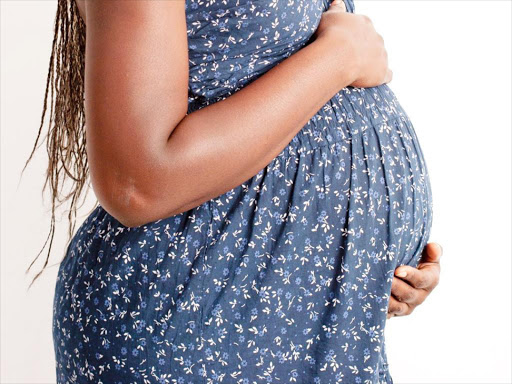
According to the survey, 27.5 per cent of adolescent girls in Tana River were pregnant at the time of the study, the highest proportion among the five counties assessed. Researchers also found that among sexually active girls in the county, more than eight in every 10 had experienced pregnancy.
The report links these outcomes to persistent educational disadvantages. Only 53 per cent of girls surveyed in Tana River had ever attended school, while more than half were unable to read or write. The average age at first sexual intercourse stood at 15.8 years, reflecting the vulnerability faced by many adolescents living in conditions where education and access to reliable health information remain limited.
Researchers observed that these indicators reinforce one another. Girls who leave school early often miss opportunities to receive accurate reproductive health information, making them more susceptible to early pregnancies. Once pregnant, many leave school permanently, creating a cycle of poverty and limited opportunities that extends into adulthood.
The findings were presented during a validation forum in Nairobi ahead of the rollout of the Her Health Initiative, a five-year programme jointly led by the Reproductive Health Network Kenya (RHNK) and the Centre for Reproductive Rights in partnership with the Ministry of Health and the National Council for Population and Development.
The initiative seeks to strengthen adolescent sexual and reproductive health systems in Garissa, Homa Bay, Samburu, Tana River, and West Pokot through evidence-based interventions tailored to the unique circumstances in each county.
RHNK Executive Director Nelly Munyasia said the survey demonstrates that education, literacy, and reproductive health outcomes cannot be addressed in isolation. According to her, poor school attendance limits literacy, low literacy restricts access to accurate health information, while inadequate knowledge contributes to low contraceptive use and higher rates of unintended pregnancies, perpetuating a cycle that continues across generations.
Teachers play a critical role
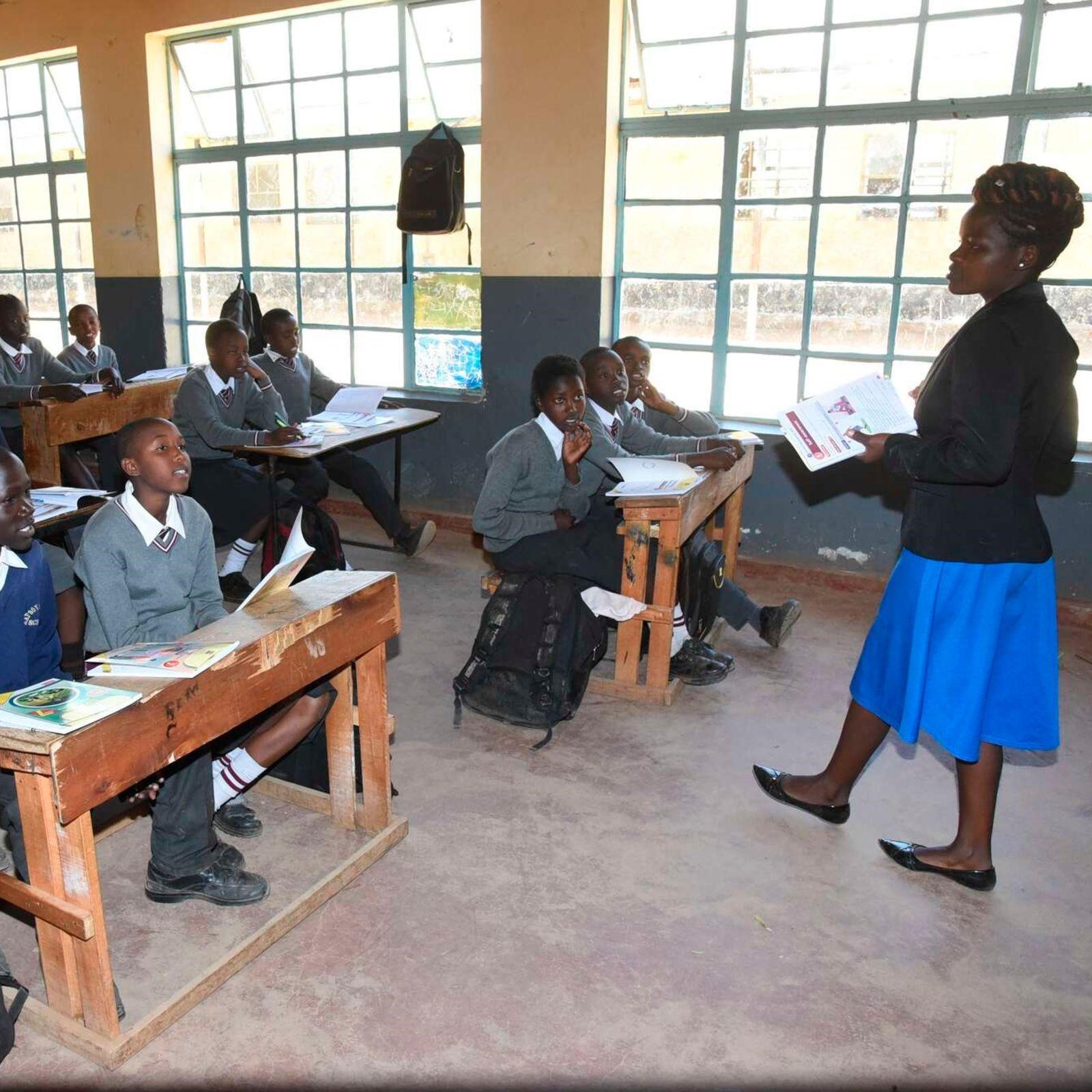
One of the study’s most significant findings is the central role played by teachers in shaping adolescents’ understanding of sexual and reproductive health. Across all five counties, teachers emerged as the primary source of sexuality information for adolescent girls, underscoring the important responsibility schools continue to carry in guiding learners through adolescence.
However, the survey also revealed substantial gaps in the education system. In Tana River, only 41.3 per cent of schools offer sexual and reproductive health education, the lowest proportion recorded in the study. Where structured learning is absent, many girls rely on peers for information, increasing the risk of misinformation and exposing adolescents to preventable health risks.
West Pokot County recorded the second-highest proportion of girls currently pregnant, at 22.3 per cent. Although school attendance in the county was considerably higher than in Tana River, at 88.6 per cent, researchers noted that 34.4 per cent of adolescent girls reported being sexually active, the highest level among all counties surveyed.
The study attributes West Pokot’s situation partly to limited access to youth-friendly reproductive health services and documented cultural barriers that discourage contraceptive use among adolescents. These challenges, researchers argue, continue to undermine efforts aimed at reducing unintended pregnancies despite improvements in school enrolment.
Samburu County presents yet another dimension of the challenge. Girls there begin sexual activity at an average age of 15.5 years, the earliest among the counties surveyed. Despite relatively high awareness of contraceptive methods such as injectables and condoms, more than four out of every five girls expressed a desire for additional reproductive health education, suggesting that awareness alone does not necessarily translate into informed decision-making or access to services.
Education alone is not enough
Homa Bay County offered perhaps the survey’s most unexpected findings. The county recorded the highest levels of school attendance and literacy among the five counties, with almost every girl surveyed having attended school and demonstrating basic literacy skills. Teachers were also identified as the leading source of reproductive health information, while mothers played an important supportive role.
Yet despite these encouraging education indicators, the survey found that more than one-third of sexually active girls had experienced pregnancy, while 7.5 per cent were pregnant during the survey period. Researchers say this demonstrates that education, although essential, cannot independently eliminate adolescent pregnancy without complementary social support, accessible healthcare, and community engagement.
Garissa County stood apart from the other counties. Only 1.3 per cent of girls surveyed reported having engaged in sexual activity, and none was pregnant during the study period. The average age at first sexual intercourse was 17 years, the highest among the five counties.
Nevertheless, researchers expressed concern over the county’s comparatively low knowledge of modern contraceptive methods and reproductive health services, warning that limited information could become problematic as adolescents transition into adulthood.
Another important finding emerging from the survey is the influential role played by parents, particularly mothers, in guiding adolescent girls. Across several counties, mothers ranked as the second most trusted source of reproductive health information after teachers. Researchers argue that empowering parents with accurate knowledge could significantly strengthen community efforts aimed at supporting adolescents and reducing misinformation.
Calls for stronger collaboration
The findings have reignited national conversations surrounding comprehensive sexuality education in Kenya. While several government policies support age-appropriate reproductive health education, implementation has remained uneven due to financial constraints, competing priorities, and differing societal views regarding what should be taught in schools.
Kenya’s National Adolescent Sexual and Reproductive Health Policy, the Adolescent Reproductive Health Development Policy, and the Education Sector Policy on HIV and AIDS all recognise the importance of equipping young people with age-appropriate reproductive health information. However, comprehensive implementation has remained limited despite earlier national commitments.
The debate continues to divide opinion among policymakers, educators, health professionals, and religious organisations. Supporters argue that evidence-based sexuality education helps adolescents make informed decisions, protects them from exploitation, and contributes to lower rates of unintended pregnancy and sexually transmitted infections. Critics maintain that schools should instead emphasise abstinence and values-based education.
Education stakeholders participating in the validation process proposed stronger collaboration between curriculum developers, teachers, parents, and health professionals to ensure reproductive health education remains age-appropriate, culturally sensitive, and scientifically accurate.
The survey ultimately demonstrates that adolescent pregnancy is not simply a health issue but a reflection of broader inequalities affecting education, gender, poverty, and access to essential services. While the causes vary across counties, the findings point to a common conclusion: improving educational opportunities, strengthening family engagement, expanding youth-friendly health services, and equipping teachers with adequate support are critical steps towards safeguarding the future of Kenya’s adolescent girls.
READ ALSO: Holly Dyson’s battle with alcohol addiction offers lessons on hope and recovery
As the Her Health Initiative begins implementation, policymakers and development partners will be under increasing pressure to translate the survey’s findings into practical interventions capable of breaking the cycle of early pregnancy, school dropout, and lifelong socioeconomic disadvantage. For many girls living in Kenya’s most vulnerable counties, the success of these interventions could determine whether adolescence becomes a pathway to opportunity or another chapter in an enduring cycle of vulnerability.
By Hillary Muhalya