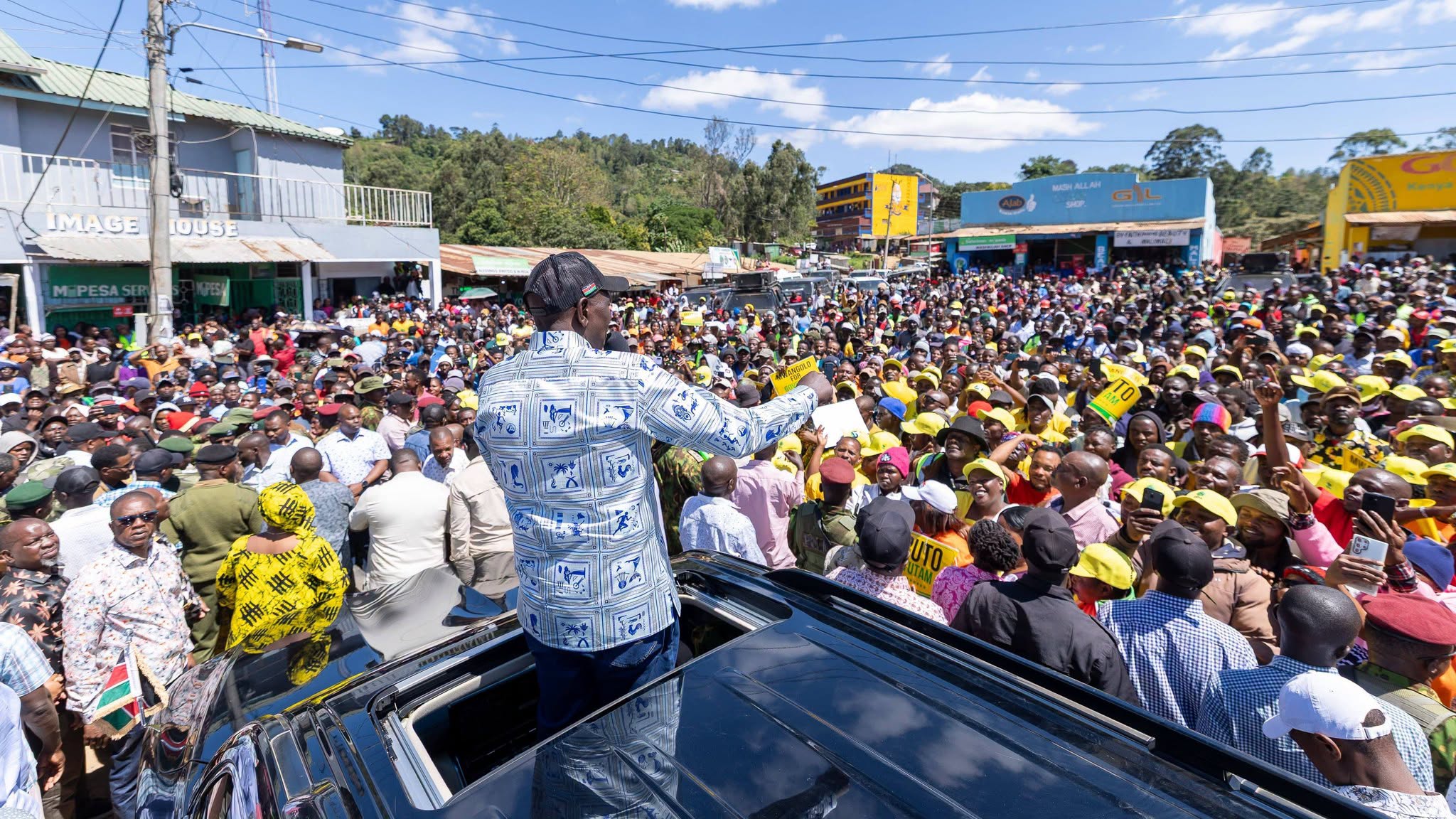
The announcement on Tuesday, 21st July 2026, by President William Ruto that the government was in the process of introducing a universal funding model in tertiary institutions was a thunderbolt, so to speak. Parents and students had resigned to the use of the current “new funding model” that was introduced in 2023 with a lot of fanfare.
The president admitted that the government had anticipated that this model would promote equity through which students would pay fees according to their ability, with those unable being assisted through bursaries and scholarships. This did not work out as intended. He said that the government would now introduce a universal funding model through which all qualified students to post-secondary institutions will be fully funded.
Historical Shifts in University Funding
A historical perspective on university funding would help to clarify the evolution of funding models previously used.
From independence to 1974, the government fully funded university education. By 1974, the government realised that it was no longer sustainable to continue that way. A university loan scheme was established through which students were awarded loans that they would refund after graduation. The Higher Education Board (HELB) was established in 1996 as a specialised agency to manage these funds. As the number of students increased tremendously over the years, the government realised that it would not be able to fully fund HELB. It was also realised that some courses, mainly science degrees, were more expensive. It was therefore proposed that science students be awarded more loans or pay more fees commensurate with their operational costs. This led to the concept of the Differential Unit Costs. That also didn’t work out well.
ALSO READ:
Ruto defends plan to fully fund university, TVET education for all students
The Harsh Realities of the 2023 Model
In 2023, the new funding model was introduced through which students would pay fees according to their perceived ability and be assisted through loans and bursaries according to their perceived need.
The consequences of this model were tragic; between 2024 and 2026, a whopping 19.6% of students dropped out of public universities due to unaffordability or choosing to enrol in cheaper post-secondary training institutions. Those who held on did so with a lot of difficulty, and it became obvious that the dropout rates would continue to rise while at the same time universities would continue accruing debts that by mid-2026 are estimated to be Kshs 100 billion.
Relief, Scepticism and Unanswered Questions
Whereas the president’s latest announcement has been received with a lot of relief by the students, universities and parents, some stakeholders are pessimistic about the proposal. It has been made worse by the assertion by the chairman of the Economic Council, Dr David Ndii, who asserted that the president did not say that the government would provide the funding but that the students would be fully funded without clarifying where the funds would come from. One also has to consider the fact that the president announced while receiving recommendations from a group of eminent persons in a document entitled “Developing a new vision for Kenya. Towards a first world Nation – strategic guidelines for long term Transformation “. This team was led by the governor of Kisumu County, Prof Anyang’ Nyong’o and included Prof Hino, Prof Michael Chege, Prof Karuti Kanyiga and Prof Peter Wanyande. These are well-educated people with vast cumulative experience in economics, finance, university education and legal reforms in the education sector. One would then expect that they have thought through these ideas conclusively.
ALSO READ:
Faith Odhiambo challenges Ruto’s promise of free university and college education
But then has this new funding model been costed? Has the Treasury been consulted on the possibility of raising the requisite funds? Are these funds being sourced from entities other than direct subventions from the Treasury? If so, where from and how sustainable will this model be in the long run? Can the students and their parents be assured that this model will last through, say, a period of 10 years? What would be the projected stabilisation of university enrolments and those in TVET, the Kenya Medical Training Centres and Diploma Teachers Training Colleges as a result of adoption of this model? How much leeway would members of the National Assembly have to amend these recommendations when amending the relevant laws to accommodate this model? How about public participation on the Bill? These are issues that need to be addressed urgently if this model will be in use by September 2026 as promised by the president.
By Benjamin Sogomo
Educational Specialist/Former Secretary TSC
benjaminsogomo@gmail.com
You can also follow our social media pages on Twitter: Education News KE and Facebook: Education News Newspaper for timely updates.
>>> Click here to stay up-to-date with trending regional stories
>>> Click here to read more informed opinions on the country’s education landscape
>>> Click here to stay ahead with the latest national news.