- Parents have reported being asked to pay between Sh500 and Sh1,000 towards meals for examination officials.
- Hillary Muhalya examines the complaints as the Ministry warns school heads against imposing unauthorised levies.
- Education field officers have been directed to intervene and report cases as the 2026 national examinations approach.
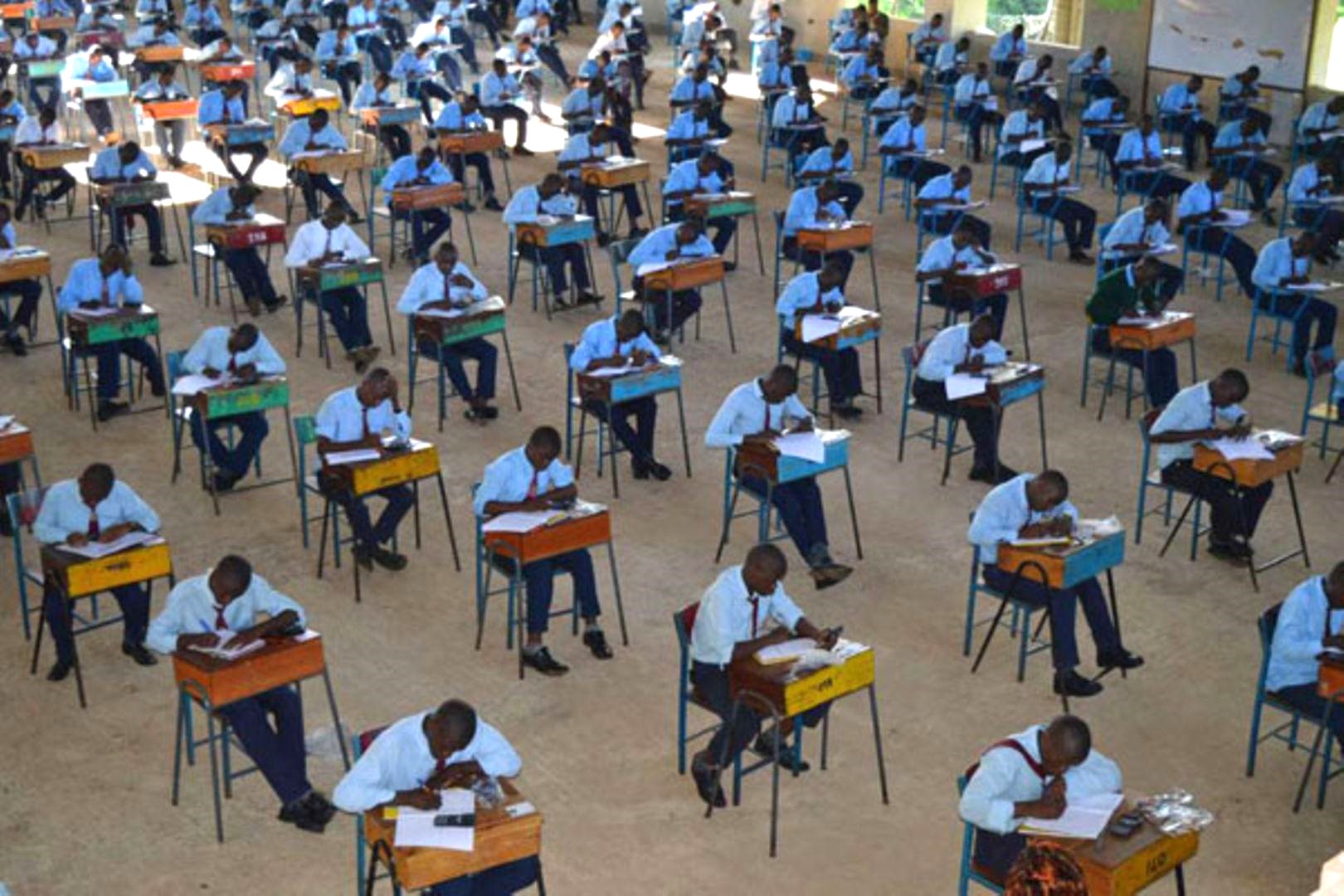
Parents have reported being asked to pay between Sh500 and Sh1,000 to cater for meals for Kenya National Examinations Council (KNEC) examination officials, prompting the Ministry of Education to warn school heads against imposing unauthorised levies as the 2026 national examinations approach.
The reported demands have allegedly been linked to the feeding of supervisors, invigilators and, in some cases, security personnel deployed to examination centres.
The Ministry has confirmed receiving complaints over the practice.
Director General for Basic Education Dr Elyas Abdi Jillaow said demanding such payments contravenes Ministry guidelines on illegal levies and directed education field officers to stop the practice and report cases to his office.
He warned that action would be taken against officers in whose jurisdictions such cases are reported.
The Ministry says schools already receive funding for examination-related logistics through capitation and should use those resources for their intended purpose rather than shifting the cost to parents through unauthorised charges.
The reported Sh500–Sh1,000 demands are claims made by parents and should be distinguished from facts established by the Ministry.
Some parents have also alleged that learners were threatened with being prevented from sitting national examinations if the money was not paid.
Those allegations would require investigation in individual cases to establish whether an unauthorised levy was imposed or whether any learner was actually threatened with exclusion.
What is confirmed is that the Ministry has received complaints and has directed field officers to intervene and report cases.
The Ministry’s position is that parents should not be compelled to finance examination officials’ meals through charges outside the approved school funding and fee framework.
The distinction is important because schools do incur genuine costs during examination periods. The existence of those costs, however, does not automatically authorise administrators to create new compulsory charges for parents.
Examination logistics and funding
KNEC deploys teachers in several roles during national examinations and assessments. These include centre managers, supervisors and invigilators.
Depending on the examination and circumstances at individual centres, security personnel and drivers may also be involved in supporting the exercise.
Schools are expected to make the necessary logistical arrangements for officials assigned to their centres, including meals where required.
According to the Ministry, examination-related logistics are catered for through funding provided to schools in the third-term capitation allocation.
This places responsibility on school administrations to plan ahead and use available resources appropriately.
The logistical challenge is substantial. A school hosting an examination centre must account for the number of officials deployed, the duration of their assignment and the services required during the examination period.
Under the current assessment framework, security personnel are not automatically deployed to every assessment centre. Their deployment depends on security requirements and the nature of the examination.
Teachers therefore constitute the bulk of personnel involved in many assessment centres, although security officers remain part of the examination arrangements where their deployment is considered necessary.
Proper planning should consequently begin before officials report to centres, allowing schools to organise meals and other necessities within approved financial arrangements.
The Ministry’s intervention comes as schools enter the final phase of preparations for the 2026 national examination cycle.
KCSE is scheduled to run from October 19 to November 20, 2026, with oral, aural and practical components beginning before the written theory papers start on November 2.
KPSEA written papers are scheduled for October 26 to 28, while KJSEA written assessments will run from October 26 to 30.
KILEA is scheduled for October 26 to 29, while KPLEA assessment activities begin on October 26.
The examinations and assessments will involve thousands of candidates, examination centres and teachers serving in different capacities.
Teacher deployment to centres is being finalised, with officials expected to undergo briefing on examination procedures, security requirements and their responsibilities before the examinations begin.
That preparation makes financial planning particularly important.
Schools need to know which officials will be stationed at their centres and make the necessary logistical arrangements without waiting until the examination period has begun.
The Ministry’s warning is therefore coming at a point when schools have limited time to correct any financial arrangements that could expose administrators to complaints or disciplinary action.
Parents’ concerns over examination access
The reported demands have generated particular concern because of the alleged consequences attached to non-payment.
Some parents claim learners were told they would not be allowed to sit examinations if the requested money was not paid.
Again, such claims remain allegations unless established through investigation.
But the nature of the allegation makes the issue especially sensitive because learners should not be placed in the middle of disputes over school finances.
Parents may also feel compelled to pay when they believe refusal could jeopardise their children’s participation in a national assessment.
The Ministry’s directive to field officers to report cases is therefore significant because it provides a mechanism through which individual complaints can be examined rather than allowing allegations to remain unresolved at school level.
The controversy comes as the proposed Basic Education Bill 2026 moves through the legislative process.
The proposed legislation contains provisions dealing with unauthorised levies and sets out significant penalties that could apply to administrators found culpable.
However, the proposed penalties should not be presented as existing law.
The Bill remains subject to the legislative process and its provisions could be amended before enactment. Any new penalties would therefore depend on the final law that Parliament adopts.
The immediate position remains the Ministry’s existing administrative framework, under which schools are required to comply with approved fee structures and government guidelines on levies.
The proposed legislation would potentially strengthen the legal consequences for violations if its relevant provisions are eventually enacted.
The Ministry has now moved the issue beyond general guidance by instructing field officers to identify and report cases involving unauthorised examination-related charges.
For school heads, the immediate responsibility is to ensure that examination centres are ready, officials are properly supported and available public funds are used for their intended purposes.
For parents, the distinction between an approved school charge and an alleged unauthorised demand remains important.
Anyone asked to make a compulsory payment specifically to finance examination officials’ meals can seek clarification and report suspected violations through the appropriate education authorities.
The effectiveness of the Ministry’s directive will ultimately depend on what happens after those complaints are made: whether cases are investigated, whether violations are established and whether action follows where wrongdoing is confirmed.
With the first 2026 national examinations only weeks away, the focus is now shifting from preparation to accountability.
READ ALSO: TSC raises Sh11.5m for World Teachers’ Day as overall funding gap remains undisclosed
The Ministry has made its position clear. The remaining question is whether that warning will translate into consistent enforcement across examination centres before candidates sit their first papers.
By Hillary Muhalya
To write to us or offer feedback, you can reach us at: editor@educationnews.co.ke
You can also follow our social media pages on Twitter: Education News KE and Facebook: Education News Newspaper for timely updates.
>> Click here to stay up-to-date with trending regional stories