- The EU’s deliberations follow Australia’s move to become the first country in the world to bar children under 16 from accessing social media
- Digital rights advocates argue the EU should instead focus on enforcing laws already on its books to make platforms safer for children.
- The Commission expects to issue its findings before the end of summer on a separate investigation into whether Meta’s platforms contribute to addictive behaviour among children.
The European Union (EU) is preparing to weigh in on a long-awaited report that could reshape how children and teenagers across the bloc access social media, with restrictions expected to be rolled out as early as this summer.
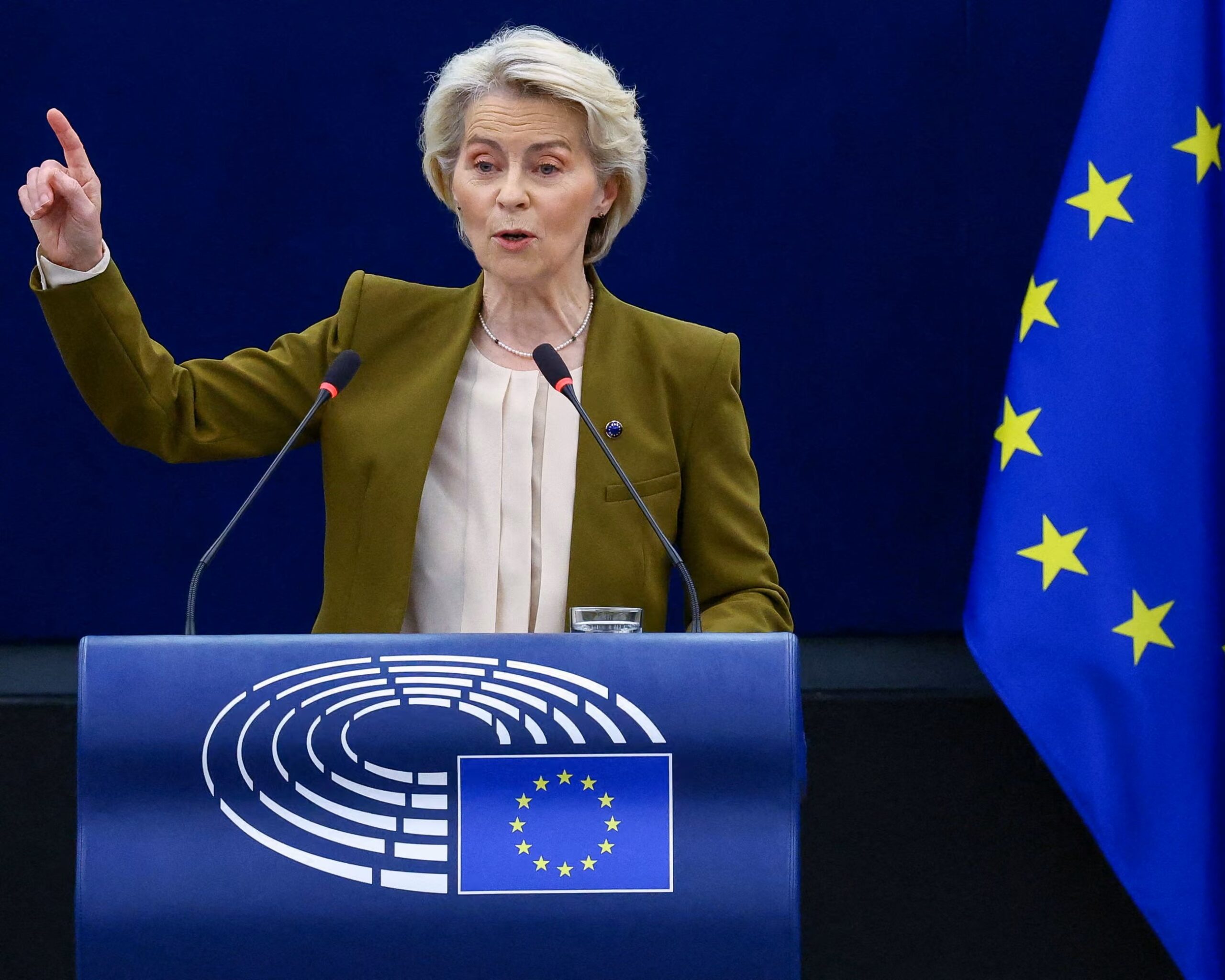
Ursula von der Leyen, President of the European Commission, has already signalled her backing for tighter rules, framing the debate in stark terms. “It is not the question when children or teenagers would have access to social media; I would say it’s more the question when social media has access to our children and teenagers,” she said last week.
A formal announcement on the recommendations had initially been expected in September, though officials now indicate von der Leyen is set to deliver her recommendation on July 13, 2026. The European Commission maintains that no final decisions have been made, even as options being tabled include banning children and teenagers from certain social media platform features and services altogether.
The EU’s deliberations follow Australia’s move to become the first country in the world to bar children under 16 from accessing social media, a decision that has since prompted Denmark and Greece to table similar proposals of their own.
Pressure on Brussels has been mounting closer to home as well. On Monday, the Commission told France to amend its draft legislation, arguing it encroached on the European Commission’s authority. The rebuke underscored the pressure facing von der Leyen, with several European capitals, Paris among them, having already drawn up their own national legislation on the matter.
“We will do more to protect children online – not just social media,” the European Union said, signalling that any age-related restrictions would sit alongside a broader push on child safety.
Michael McGrath, the EU’s consumer protection commissioner, told the AFP that regulators must confront the underlying business models and design choices that shape children’s everyday experiences online, regardless of what is ultimately decided on age limits.
Even so, the Commission and the EU’s digital watchdog appear inclined toward a different path than an outright ban. Difficulties encountered in enforcing Australia’s ban have fed into the bloc’s thinking, and the panel reviewing the report is not expected to recommend a blanket prohibition on social media platforms.
Germany’s own panel considered two options last month: a statutory minimum age of 13, a threshold many platforms already claim to enforce, or restrictions targeting individual services and features rather than access to entire platforms.
Brussels, alongside Britain and Indonesia, appears likely to favour a risk-based approach, one that would prohibit features regulators view as harmful rather than banning platforms such as TikTok, Instagram or Snapchat outright. Estonia has come out firmly against such measures, in contrast to states like Greece and Spain, which are pressing ahead with plans for their own bans.
ALSO READ:
TSC urges varsities to overhaul training to address teacher shortage in specialised CBE subjects
Public opinion appears to be aligning with calls for reform. A YouGov poll published on Thursday found that a majority of respondents across France, Germany, Italy, Poland and Spain want to see “harmful” design features, such as endless scroll and personalised feeds, removed from platforms altogether. Of the 5,100 adults surveyed, 75 per cent said responsibility should lie with the platforms themselves, and that services should remain inaccessible to minors until proven safe.
Not everyone agrees that restricting access is the right approach. Digital rights advocates argue the EU should instead focus on enforcing laws already on its books to make platforms safer for children.
“We don’t think that exclusion is the answer. We need to enforce our existing laws, hoping that the new strengthened consumer protection rule would be ambitious,” said Simeon de Brouwer of digital rights group EDRi.
McGrath echoed the sentiment, pointing to legislation expected later this year. “The new law expected later this year would recognise children as vulnerable consumers and that minors must be protected by design,” he said.
Michiel van Hulten, EU director at Reset Tech, called for the burden of proof to shift toward platforms themselves. “We must focus on measures that ensure responsibility lies within the platform by proving their products are safe before they can be used by children or anyone,” he said.
Critics say the EU already possesses significant legal tools to address the issue, chiefly an online content law that compels the world’s largest platforms to swiftly remove harmful and dangerous material and bans targeted advertising aimed at children. Yet de Brouwer said Brussels has been slow to use them.
“The European Union is hesitant in enforcing the law; it has only told US-based Meta to enforce age verification, contrary to Chinese-owned TikTok, who were told to change its addictive design,” de Brouwer said.
An EU official told the AFP that the Commission expects to issue its findings before the end of summer on a separate investigation into whether Meta’s Facebook and Instagram platforms contribute to addictive behaviour among children.
By Jonathan Mwinzi
You can also follow our social media pages on Twitter: Education News KE and Facebook: Education News Newspaper for timely updates.
>>> Click here to stay up-to-date with trending regional stories
>>> Click here to read more informed opinions on the country’s education landscape