- TSC has identified Building and Construction, Aviation, Woodwork and Creative Arts as among the disciplines facing the most acute staffing gaps
- Significant progress has already been recorded in the rollout of CBE, but the shortage of qualified teachers for the emerging specialised learning areas remains one of the greatest challenges
- The alignment of university programmes with emerging classroom needs is expected to play a decisive role in determining the long-term success of the reforms.
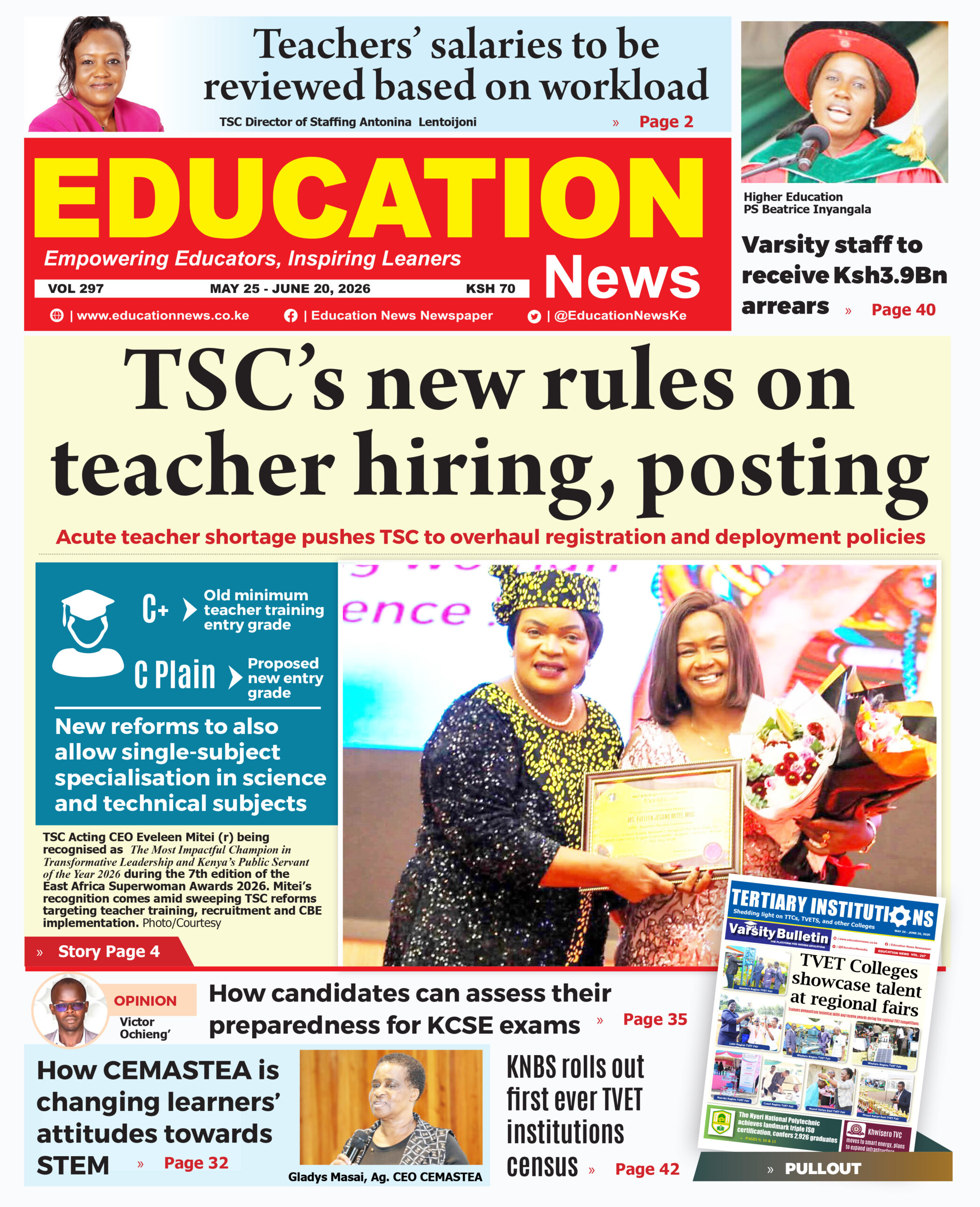
Kenya’s push to fully roll out senior school pathways under the Competency-Based Education (CBE) curriculum is running into a critical obstacle: a shortage of teachers trained to handle newly introduced specialised subjects, the Teachers Service Commission (TSC) has warned.
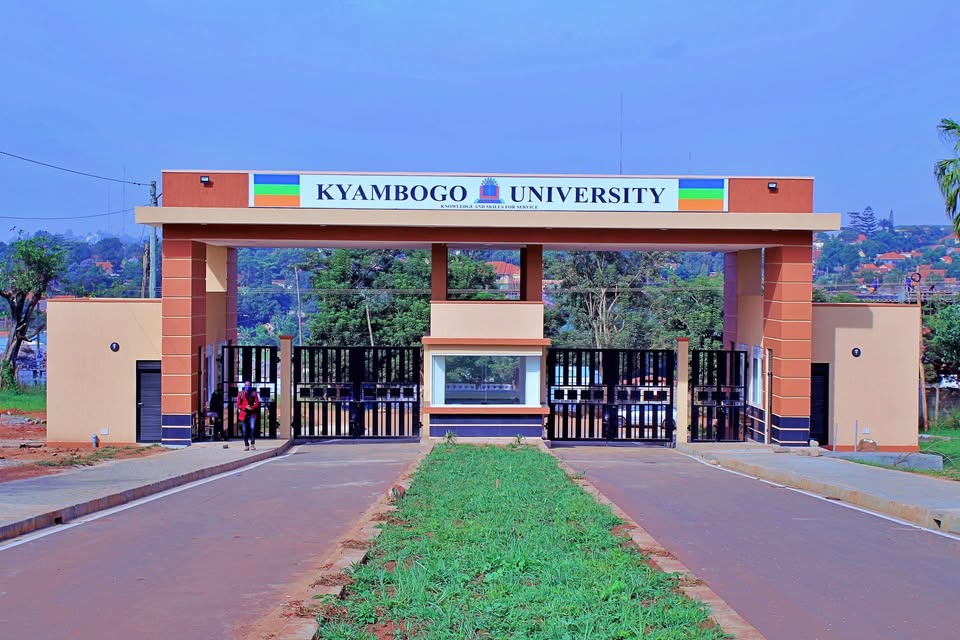
The commission has identified Building and Construction, Aviation, Woodwork and Creative Arts as among the disciplines facing the most acute staffing gaps, cautioning that without urgent intervention from universities, the shortfall could undermine effective curriculum delivery once senior schools begin admitting learners into these pathways.
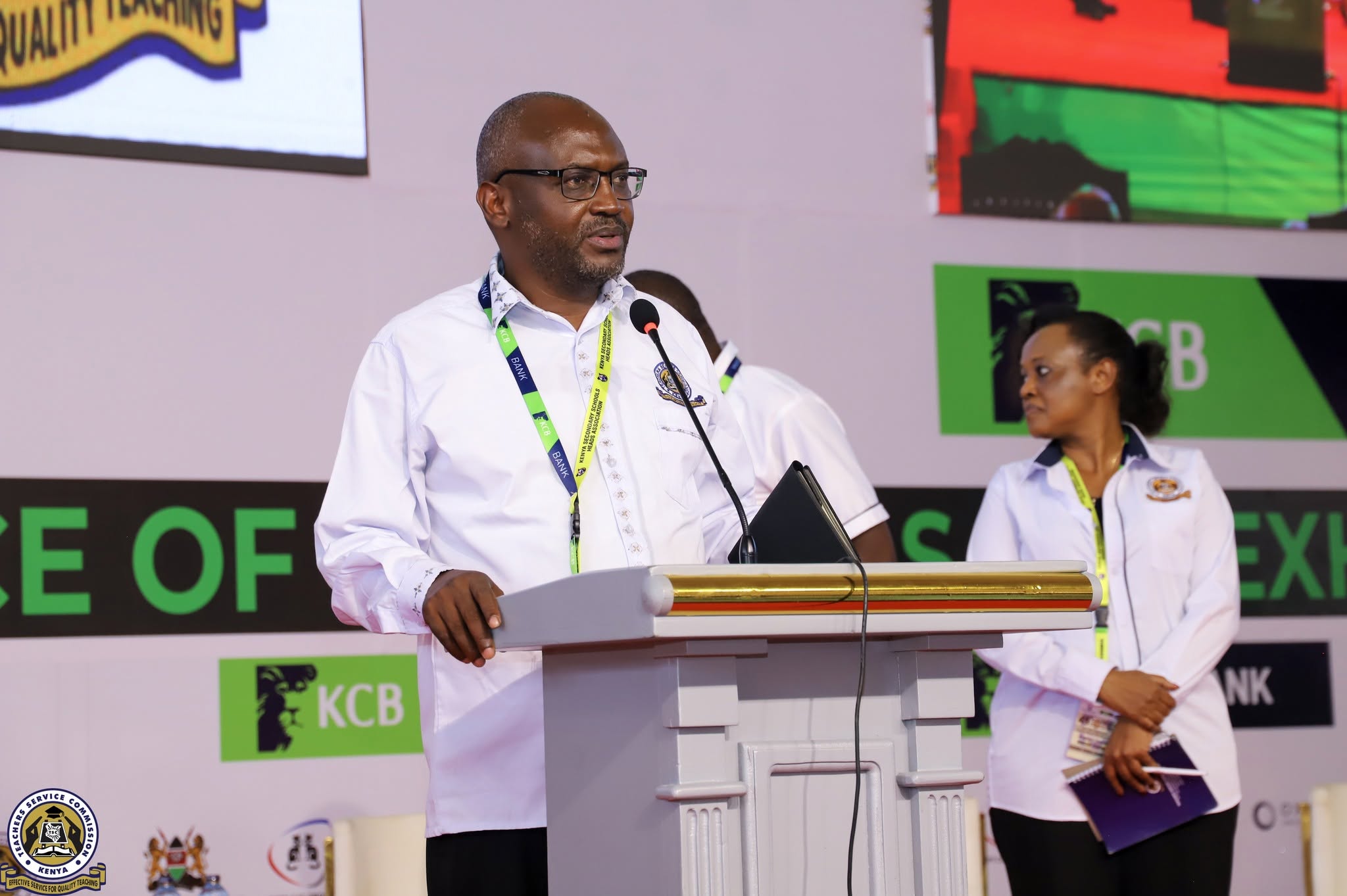
TSC Director for Teacher Education and Capacity Development, Reuben Namburi, raised the concern during a stakeholders’ meeting organised by the Kenya Universities and Colleges Central Placement Service (KUCCPS), where he called on universities to urgently rethink traditional teacher preparation programmes.
According to Namburi, significant progress has already been recorded in the rollout of CBE, but the shortage of qualified teachers for the emerging specialised learning areas remains one of the greatest challenges facing the country’s education transformation agenda.
He attributed the shortage largely to the fact that many universities have not traditionally offered teacher education programmes tailored to these disciplines, leaving the sector with a limited pipeline of professionals qualified to teach the new subjects.
The specialised learning areas facing shortages sit at the heart of CBE’s philosophy, which is designed to nurture learners’ talents, practical competencies, creativity, innovation and career readiness, rather than focusing solely on academic achievement.
This marks a significant departure from the former 8-4-4 system, under which such subjects received limited emphasis or were largely unavailable in most schools. With CBE placing greater value on technical, vocational and creative learning, demand for teachers equipped to deliver these subjects has risen sharply as schools prepare for the senior school intake.
ALSO READ:
After KUCCPS placement: Why career guidance must become every school’s priority
To address the gap, TSC is urging universities to undertake comprehensive curriculum reviews, redesign subject combinations and introduce innovative teacher education programmes aligned with the country’s current and future workforce needs. The commission believes such reforms will not only expand opportunities for aspiring teachers but also ensure schools are adequately staffed as CBE continues its nationwide rollout.
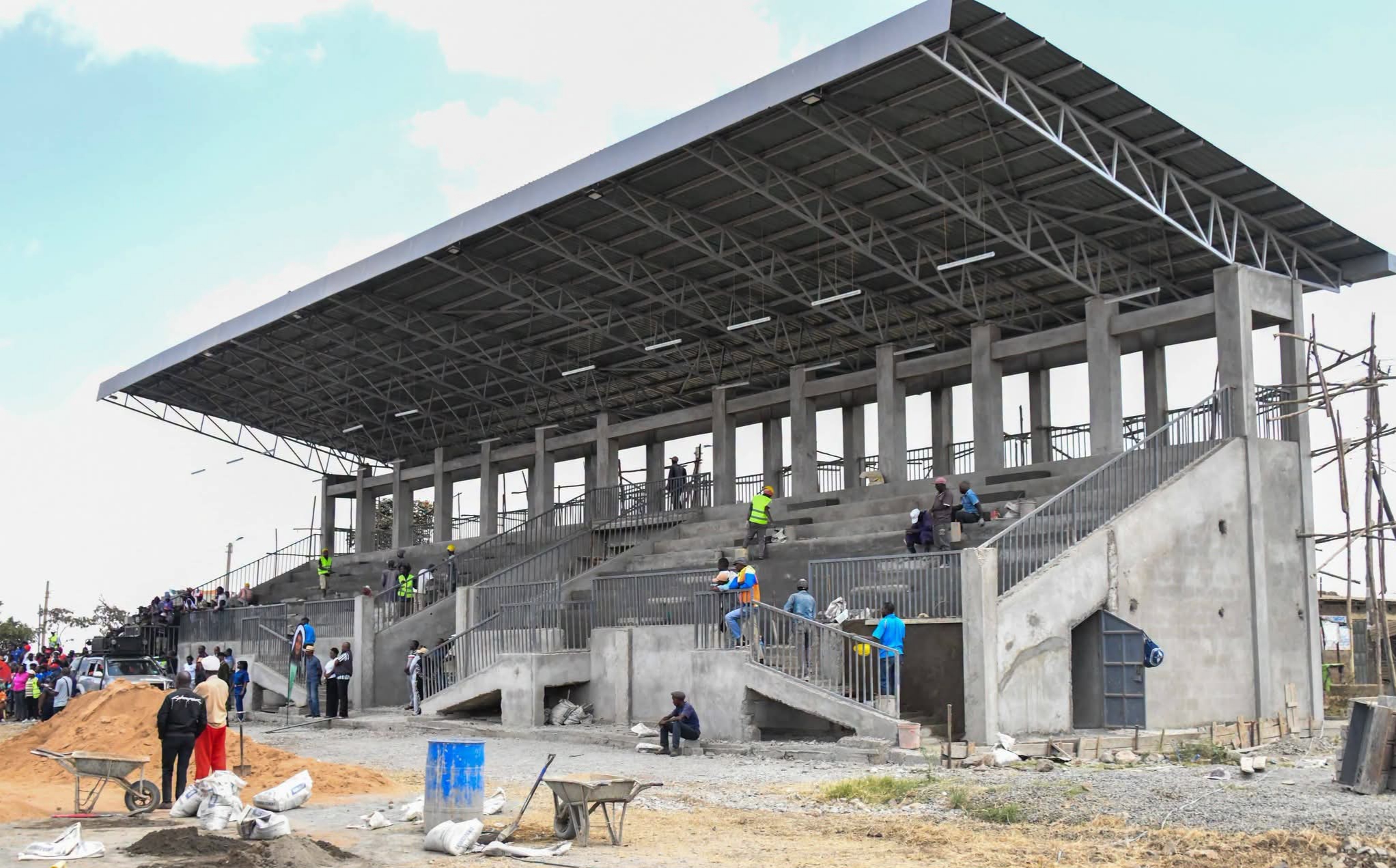
Namburi emphasised that the success of Competency-Based Education goes beyond building classrooms, supplying learning materials or investing in digital infrastructure, noting that it is equally important for every learner to be taught by a well-trained, competent and professionally prepared teacher capable of delivering specialised content effectively.
He further revealed that TSC has already engaged universities on the need to diversify their teacher education programmes and encourage enrolment in courses where shortages are most pronounced, adding that expanding training opportunities in these critical areas will help build a sustainable supply of teachers for Kenya’s rapidly evolving education landscape.
Stakeholders who attended the KUCCPS consultative meeting echoed the commission’s concerns, stressing that stronger collaboration between universities, teacher training institutions, TSC and other education agencies will be essential if teacher preparation is to keep pace with ongoing curriculum reforms.
The renewed focus on teacher training marks another significant milestone in Kenya’s broader education transformation agenda. As CBE advances into more complex stages of implementation, the alignment of university programmes with emerging classroom needs is expected to play a decisive role in determining the long-term success of the reforms.
Education experts argue that producing teachers with specialised competencies will not only strengthen curriculum delivery but also equip learners with the practical skills, innovation and problem-solving abilities required in a rapidly changing global economy. For universities, the commission’s call presents both a challenge and an opportunity to reshape teacher education in ways that respond to national development priorities and the aspirations of future generations.
You can also follow our social media pages on Twitter: Education News KE and Facebook: Education News Newspaper for timely updates.
>>> Click here to stay up-to-date with trending regional stories
>>> Click here to read more informed opinions on the country’s education landscape