- Learners who pursue careers they genuinely enjoy are more likely to remain motivated, innovative and resilient when challenges arise.
- Career development is a lifelong process of understanding oneself and translating that understanding into meaningful work.
- When career guidance is strengthened, learners make wiser choices, schools produce fulfilled graduates, and employers gain competent professionals
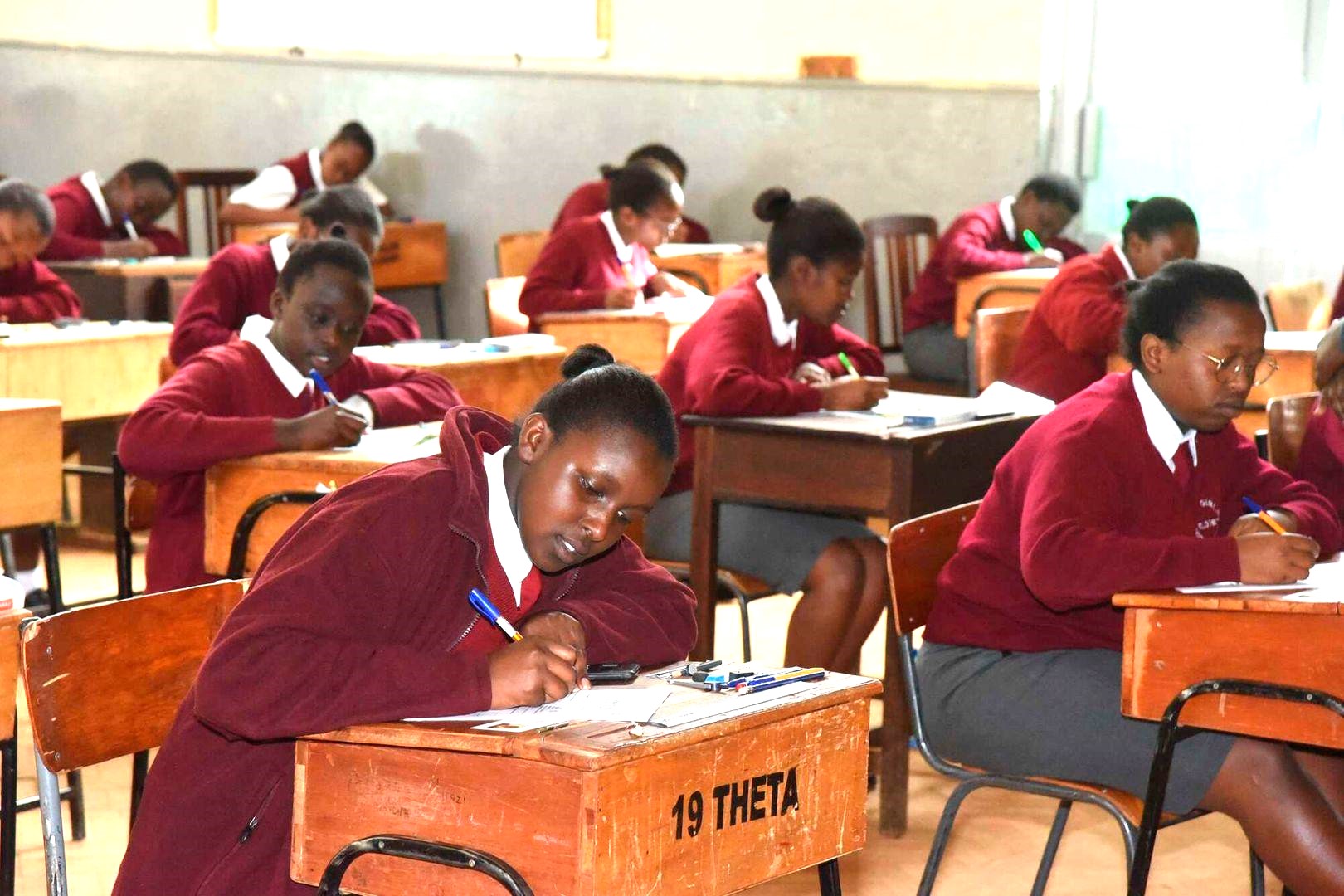
The release of the 2025 KCSE placement results has understandably filled many Kenyan homes with excitement, relief and hope. Thousands of students have secured places in universities, colleges and TVET institutions, taking the next step towards their dreams. To these young men and women, congratulations. Your hard work has opened another door of opportunity.
Equally commendable is the decision to allow learners who did not secure their preferred courses or institutions to revise their choices and reapply. This is not merely an administrative process; it is a recognition that a young person’s future should never be determined by a single application. It offers hope, flexibility and a second chance.
Yet, as the celebrations continue, one fundamental question deserves national reflection: Do we truly appreciate the indispensable role of career guidance in helping learners make informed career choices?
A career is far more than a source of income. It is a lifelong journey that shapes identity, purpose, personal fulfilment and national development. The decisions learners make after secondary school influence not only their future but also the quality of Kenya’s workforce for decades to come. Career choice, therefore, should never be left to chance.
The renowned educational psychologist John Holland observed that people are most successful and satisfied when their careers align with their personalities and interests. Likewise, Donald Super argued that career development is a lifelong process of understanding oneself and translating that understanding into meaningful work. Their ideas remain profoundly relevant today.
Passion undoubtedly matters. Learners who pursue careers they genuinely enjoy are more likely to remain motivated, innovative and resilient when challenges arise. However, passion alone cannot sustain a successful career. Sound career decisions should equally consider academic ability, natural talent, personal values, aptitude, personality, emerging labour market trends, technological advancement, opportunities for growth and the changing needs of society.
ALSO READ:
Itigo Girls reclaim Rift Valley rugby 15s crown after stunning St Joseph
Another factor that deserves greater attention is the power of role models. Young people often become what they consistently admire. Every day, teachers, doctors, engineers, lawyers, entrepreneurs, artists and skilled technicians silently shape the ambitions of the next generation.
As an educator, I have experienced this reality repeatedly. Every year, several of my students choose to pursue a Bachelor of Education in English and Literature. Their explanation is remarkably consistent: they were inspired by their classroom experiences and wished to emulate the passion and commitment they observed in their teacher. This is a powerful reminder that teachers do far more than prepare learners for examinations; they shape aspirations, nurture confidence and ignite lifelong dreams.
Career choices are also influenced by parents, peers, teachers, mentors, school culture, media, social media, economic realities, community expectations and exposure to different professions. Unfortunately, many learners make career decisions based on prestige, peer influence or incomplete information rather than a genuine understanding of themselves and the opportunities available. Such choices often lead to dissatisfaction, poor productivity and costly career changes later in life.
This is where career masters become indispensable. Their responsibility extends far beyond guiding learners through placement procedures. Effective career masters help learners identify their strengths, interpret aptitude assessments, understand university and TVET programmes, appreciate emerging careers, analyse labour market demands and make realistic career plans. They bridge the gap between ambition and informed decision-making.
For this reason, the Teachers Service Commission should institutionalise regular workshops and continuous professional development programmes for career masters. The world of work is evolving rapidly through technology, artificial intelligence and changing economic demands. Career guidance professionals must therefore remain updated if they are to prepare learners adequately for the future.
The Competency-Based Curriculum also deserves recognition for embedding career awareness within learning. Rather than waiting until learners complete secondary school, CBC introduces career exploration much earlier, allowing learners to discover their talents, interests and strengths progressively. This is a commendable shift from examination-centred education towards learner-centred development.
School administrators equally have a significant role to play. Career guidance should not be treated as a once-a-year activity conducted after examination results are released. Schools should establish vibrant career departments, organise career fairs, invite professionals from diverse fields, facilitate mentorship programmes, arrange educational visits to universities, industries and workplaces, and ensure that every learner receives personalised career guidance throughout their school life.
The Kenya Universities and Colleges Central Placement Service can further strengthen this noble agenda by organising annual county-based career awareness forums nationwide. Such outreach programmes would bring accurate career information closer to learners, parents and teachers, especially in rural areas where access to professional guidance remains limited. Career guidance should not be an event confined to online portals; it should become a nationwide conversation.
Parents remain indispensable partners in this process. They know their children better than anyone else. Their responsibility is to nurture talents, encourage curiosity, expose children to different professions, listen attentively to their aspirations and guide without imposing personal ambitions. The temptation to pressure children into prestigious careers at the expense of their interests and abilities should be resisted. Every profession contributes meaningfully to national development.
Learners themselves must also take ownership of their future. They should actively seek information, consult teachers and professionals, attend career forums, research different occupations, understand admission requirements, evaluate their strengths honestly and make informed choices rather than simply following friends or societal trends. Career planning is ultimately a personal responsibility.
ALSO READ:
Kisii University set to host scholars for 23rd CHAKAMA Kiswahili Conference
Every classroom teacher, regardless of subject specialisation, is also a career mentor. Through daily interactions, teachers shape learners’ perceptions of professions, values and possibilities. Sometimes a single word of encouragement, a classroom discussion or a teacher’s example is enough to inspire a lifelong dream.
Kenya stands at a defining moment. As the country invests heavily in education, skills development and innovation, equal investment must be directed towards professional career guidance. An education system succeeds not merely by producing graduates but by helping young people discover where they can contribute most meaningfully to society.
The release of KUCCPS placement results should therefore be viewed not as the end of a journey but as the beginning of a lifelong process of purpose, growth and service. Every learner deserves more than admission into an institution; every learner deserves guidance towards a career that aligns with their passion, ability and potential.
When career guidance is strengthened, learners make wiser choices, parents become informed partners, schools produce fulfilled graduates, employers gain competent professionals, and the nation benefits from a workforce driven not merely by certificates, but by purpose. That is an investment Kenya cannot afford to overlook.
By Astiba kebon’go. jackiekebongo@gmail.com
You can also follow our social media pages on Twitter: Education News KE and Facebook: Education News Newspaper for timely updates.
>>> Click here to stay up-to-date with trending regional stories
>>> Click here to read more informed opinions on the country’s education landscape