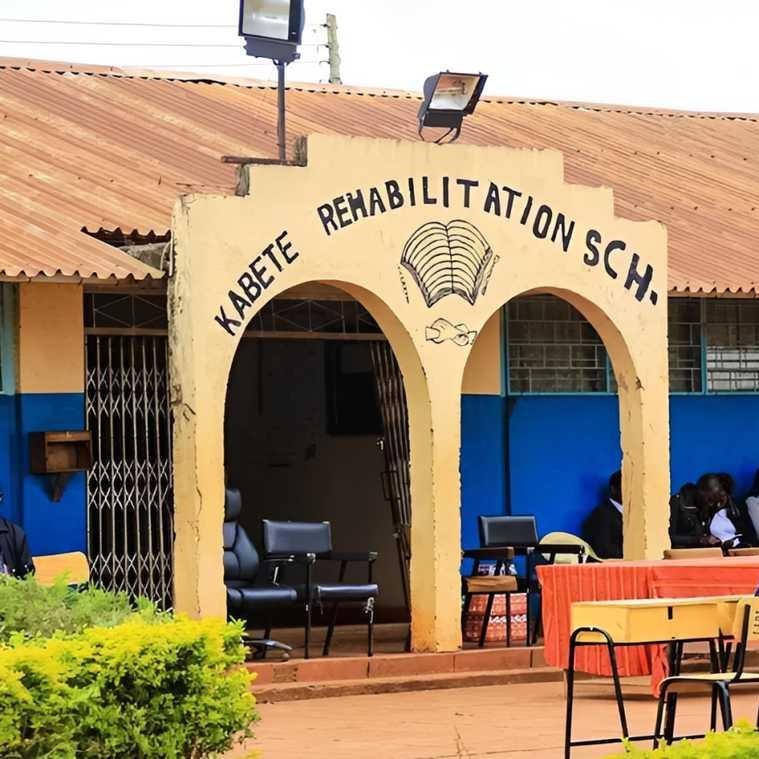
- Placement in a rehabilitation school is a legal child protection measure guided by the Children Act, 2022 and supervised by the Children’s Court.
- Courts must first consider alternatives such as counselling, probation and family-based interventions before institutional placement.
- Rehabilitation schools focus on education, counselling, skills training and reintegration rather than punishment.
In Kenya, the placement of a child in an approved rehabilitation school is not a casual disciplinary action but a highly regulated legal and welfare intervention anchored in the Children Act, 2022 and supervised through the Children’s Court system.
It is a structured process designed to ensure that a child is only removed from home and community when absolutely necessary, and always in the child’s best interests.
At the centre of this system are Kenya’s approved rehabilitation institutions, including Kabete Rehabilitation School, Wamumu Rehabilitation School, Kakamega Rehabilitation School, Kirigiti Girls Rehabilitation School, Kisumu Rehabilitation School, Kericho Rehabilitation School, Likoni Rehabilitation School, Othaya Rehabilitation School, Dagoretti Rehabilitation School and Getathuru Rehabilitation School, among others distributed across the country.
The process begins long before a court is involved, often triggered by visible concerns about a child’s behaviour, safety or environment.
These concerns may include persistent truancy, repeated petty offences such as theft or vandalism, runaway behaviour, neglect or exposure to unsafe living conditions.
A teacher may report a learner who has abandoned school entirely, a parent may struggle with a child who repeatedly disappears from home, or community members may raise alarm about a child surviving on the streets or engaging in minor criminal activity.
Once such concerns are identified, the matter is escalated to a children’s officer or a police officer attached to the juvenile desk, marking the first formal point of state intervention.
The immediate focus is protection.
If the child is in danger—such as living on the streets, being exposed to abuse or lacking guardianship—temporary protective custody may be arranged in a rescue or remand facility while investigations are initiated.
The process then becomes investigative and evidence-driven.
A probation officer or children’s officer conducts a social inquiry investigation, one of the most critical stages in the system.
This inquiry examines the child’s family background, school history, behavioural patterns, peer environment and economic conditions at home.
Teachers provide academic and behavioural reports, parents or guardians are interviewed, and community members may also contribute relevant information.
For instance, a 13-year-old repeatedly caught stealing may be found to be acting under peer pressure and lack of supervision at home.
A 12-year-old who has dropped out of school may be living in neglect or instability, while a street-involved child may have no identifiable caregiver at all.
The findings are compiled into a detailed report that becomes central to the court’s decision-making process.
Determination by the Children’s Court
The matter is then presented before the Children’s Court, where a magistrate reviews the social inquiry report, hears evidence and may engage directly with the child and guardians.
At this stage, the court determines whether the child is a child in conflict with the law or a child in need of care and protection.
This classification is important because it guides the type of intervention required.
However, the law requires the court to first consider alternative corrective measures before institutionalisation.
These may include probation supervision, counselling, family placement, foster care or returning the child home under structured monitoring.
For example, a truant learner may first be placed under probation supervision with strict school attendance monitoring, while a child with behavioural challenges may be referred for counselling while remaining at home.
Only when these alternatives are considered ineffective, unsuitable or already exhausted does the court proceed to institutional placement.
This safeguard ensures that removal from home remains a measure of last resort.
Placement in rehabilitation schools
When institutional placement becomes necessary, the court issues a committal order directing that the child be placed in an approved rehabilitation school.
These institutions—including Kabete, Wamumu, Kirigiti, Kisumu, Kakamega, Kericho, Likoni, Othaya, Dagoretti and others—are designed primarily for children aged between 10 and 15 years.
Older juveniles may be committed to borstal institutions in accordance with the law.
Each institution plays a specific role within Kenya’s juvenile rehabilitation framework.
Kabete Rehabilitation School, one of the oldest institutions, focuses on structured education and vocational training.
Kirigiti Girls Rehabilitation School provides rehabilitation services tailored for girls, including counselling and skills development.
Wamumu and Likoni rehabilitation schools combine academic learning with vocational programmes such as agriculture and technical training.
Similarly, Kakamega, Kisumu, Kericho, Othaya and Dagoretti rehabilitation schools serve different regions, ensuring decentralised access to rehabilitation services.
Life inside rehabilitation schools
Once the committal order is issued, children’s officers and, where necessary, police officers facilitate the safe transfer of the child to the designated institution.
Admission procedures are completed, records are created and the child formally enters a structured rehabilitation programme.
Life inside these centres is designed around rehabilitation rather than punishment.
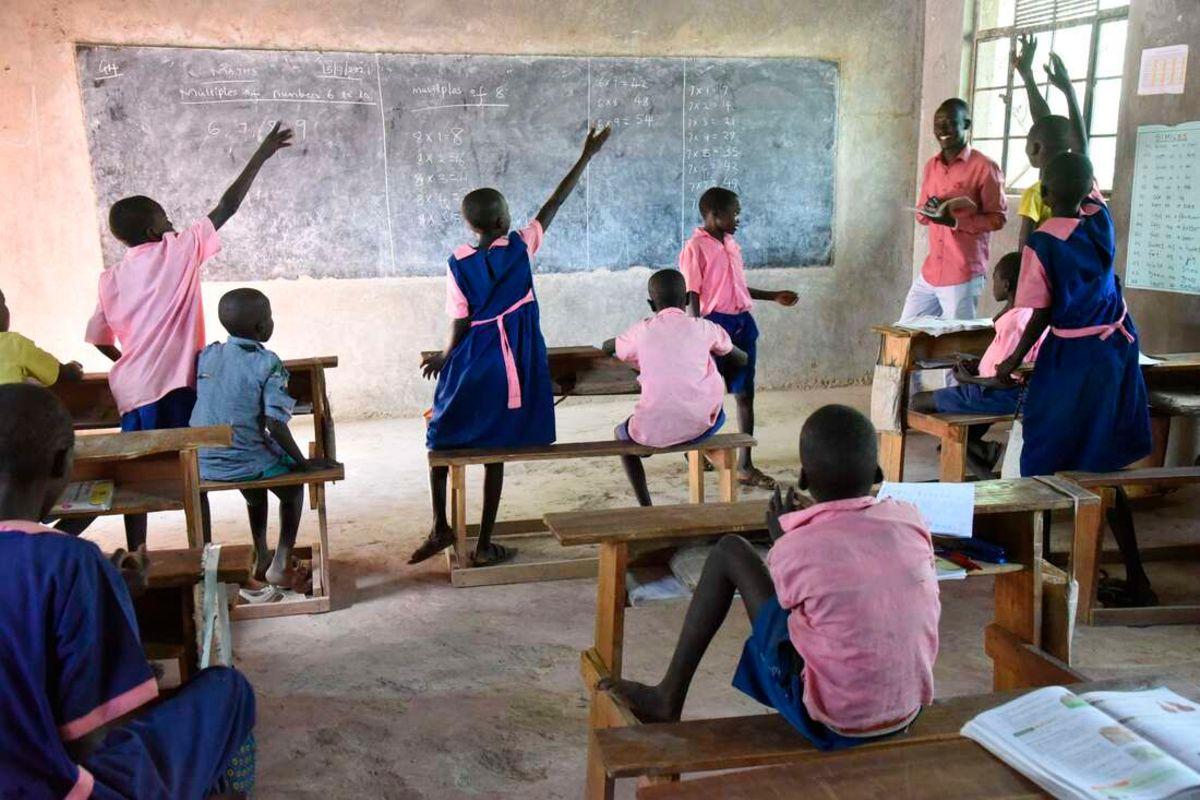
Learners continue with formal education aligned to the national curriculum while receiving counselling, psychosocial support and life-skills training.
Vocational programmes equip learners with practical skills such as carpentry, tailoring, agriculture and masonry, depending on the institution.
The objective is to address not only behavioural challenges but also underlying causes such as trauma, neglect or lack of opportunity.
Daily routines are highly structured to reinforce discipline, responsibility and consistency.
Sports, mentorship and group activities further contribute to emotional and social development, helping learners regain confidence and identity.
Reintegration into society
A child’s progress is continuously monitored throughout the rehabilitation process.
Institutional administrators prepare periodic reports for relevant authorities and the court, assessing behavioural improvement, academic progress and readiness for reintegration.
The court retains supervisory authority and may review, extend or shorten the committal period depending on the child’s progress.
Reintegration remains the ultimate goal.
When a child demonstrates sufficient behavioural change and stability, they may be released and reintegrated into their family and community under supervision.
Follow-up support may be provided to ensure a smooth transition and reduce the likelihood of relapse into previous behaviour.
At every stage—from identification to reintegration—the guiding principle remains the best interests of the child.
The system is deliberately structured to ensure that children are not criminalised for vulnerability but are guided back into productive life through education, care and structured rehabilitation.
READ ALSO: New teacher career path allows promotion to highest job group without administration roles
In essence, Kenya’s approved rehabilitation school system represents a delicate balance between justice and compassion. It transforms courtrooms into gateways of second chances and institutional intervention into a pathway for rebuilding lives that might otherwise be lost to neglect, crime or hardship.
By Hillary Muhalya
You can also follow our social media pages on Twitter: Education News KE and Facebook: Education News Newspaper for timely updates.
>>> Click here to stay up-to-date with trending regional stories
>>> Click here to read more informed opinions on the country’s education landscape