- The Teachers Service Commission has refunded the KSh108 deducted from teachers’ June 2026 payslips following concerns raised by teachers and unions.
- KNUT had demanded an explanation for the unexplained deduction, arguing that teachers deserve full payroll transparency.
- The refund has been welcomed as a victory for accountability and effective advocacy within the education sector.
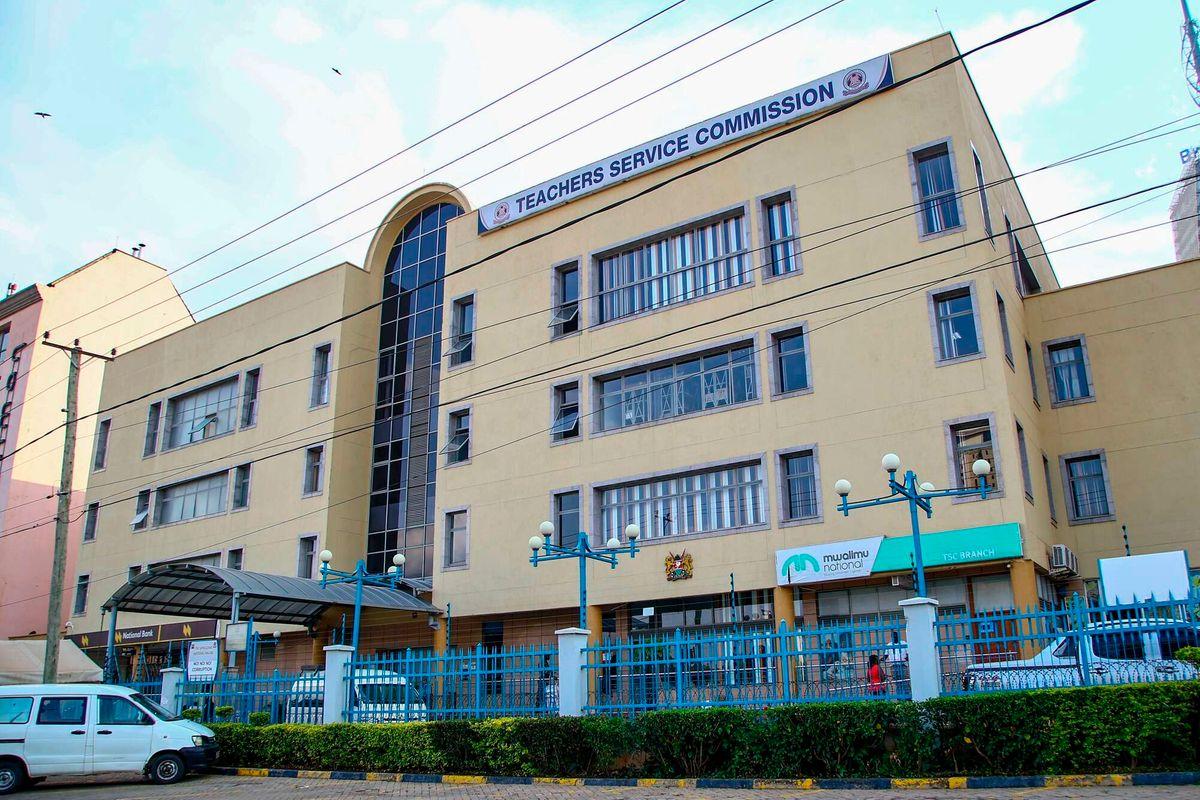
The Teachers Service Commission (TSC) has refunded the KSh108 deducted from teachers’ June 2026 payslips following pressure from teachers’ unions and scrutiny by the media.
The reversal brings relief to more than 300,000 teachers who had been affected by the unexplained deduction at a time of rising economic hardship.
The refund follows weeks of concern and complaints from teachers across the country after they discovered an additional KSh108 deduction in their June salaries without prior communication or a clear explanation.
What appeared to be a small deduction quickly sparked a national debate on payroll transparency and accountability in the management of teachers’ earnings.
Leading the calls for clarification was KNUT Deputy Secretary-General Hesbon Otieno, who said the union had received numerous complaints from members seeking answers about the deduction.
Otieno maintained that teachers have a right to know the purpose of every item appearing on their payslips and argued that unexplained deductions undermine confidence in the payroll system.
Teachers Demand Transparency
The controversy emerged at a time when teachers were closely monitoring their earnings following recent salary adjustments and ongoing discussions on improved remuneration and terms of service.
While educators welcomed gains achieved through collective bargaining agreements, they insisted that such gains should not be eroded by deductions that are not properly explained.
KNUT maintained that transparency is as important as salary improvements and called for clear communication whenever payroll adjustments are made.
A closer examination of the figures revealed the broader financial implications of the deduction.
With an estimated 350,000 teachers affected, the KSh108 deduction translated to approximately KSh37.8 million collectively.
Had the deduction been sustained, the annual impact could have run into hundreds of millions of shillings, raising further questions about its origin, purpose and accountability.
Relief for Teachers
The refund has been welcomed by teachers and union officials, who view it as a victory for transparency and accountability.
The case demonstrates the importance of payroll openness and highlights how collective advocacy and media scrutiny can compel public institutions to respond to concerns raised by employees.
For many teachers, the issue was never just about KSh108, but about the principle that every deduction from a worker’s salary must be transparent, justified and properly communicated.
READ ALSO: School in Endebess receives a major boost as KVDA to construct Ksh10M water borehole
The refund is therefore being seen as a reaffirmation of the right of employees to clear and accurate payroll information.
By Our Reporter
You can also follow our social media pages on Twitter: Education News KE and Facebook: Education News Newspaper for timely updates.
>>> Click here to stay up-to-date with trending regional stories
>>> Click here to read more informed opinions on the country’s education landscape