- The Kenya National Commission on Human Rights has proposed educational support as part of reparations for victims of human rights violations.
- The recommendations target learners, college students and young people whose education was disrupted by protests and related abuses.
- KNCHR says reparations should include rehabilitation, skills training and restoration of lost educational opportunities.
By Joseph Mambili
School-going children, college students and young people whose education was disrupted by human rights violations could receive educational support under recommendations contained in a new reparations framework developed by the Kenya National Commission on Human Rights (KNCHR).
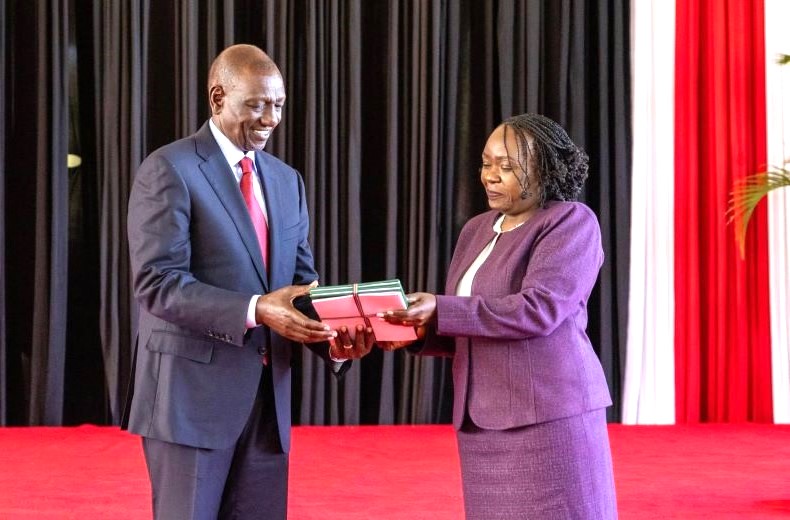
The framework is contained in a report submitted to President William Ruto in June 2026 following a Presidential Proclamation directing the Commission to develop a comprehensive framework for reparations for victims of human rights violations, including those arising from demonstrations and public protests.
The report was prepared by KNCHR under the leadership of Chairperson Claris Ogangah.
The report comes in the aftermath of widespread protests witnessed in recent years, including the June 25, 2024 Gen Z demonstrations, during which KNCHR documented deaths, injuries, arrests and other violations affecting many young people.
The Commission noted that it undertook active monitoring during the 2023, 2024, 2025 and 2026 protest periods.
Education as a Form of Reparation
The report argues that reparations should extend beyond financial compensation and include measures that help victims rebuild their lives and futures.
Among the recommendations is: “Consideration of educational and livelihood support for victims.”
According to the report, educational assistance should form part of rehabilitation measures designed to help victims recover from the physical, social and economic consequences of rights violations.
Support Technical, Vocational, Education and Training for victims and survivors,” the report further reads.
KNCHR says such interventions could provide alternative pathways for young victims whose education or employment prospects were interrupted.
Restoring Learning Opportunities
The report notes that many victims lose access to critical services following violations.
It recommends: “Restoration of access to education, health care, and livelihoods where these were unlawfully disrupted.”
According to KNCHR, the proposed framework seeks to address not only immediate harm but also the long-term consequences affecting victims and their families.
“Victims shall be awarded reparations in the form of compensation, rehabilitation, restitution, satisfaction, guarantees of non-repetition or a combination of any of the reparation mechanisms,” the report states.
It further notes that: “Lost opportunities, including employment, education and social benefits” should be considered when determining reparations.
Young People Among the Affected
KNCHR verified 1,101 victims across six categories of violations, including deaths, torture, sexual violence, injuries, destruction of property and enforced disappearances.
The report states: “The Commission has so far verified and obtained consent from a total of 1101 victims across six categories of violations.”
“The actual number of victims is likely substantially higher.”
READ ALSO: Mary’s Meals marks Day of the African Child with call for water access to boost school feeding in Africa
KNCHR argues that educational support could help restore opportunities lost by learners and young people affected by violations arising from demonstrations and other human rights abuses, while contributing to long-term recovery and social reintegration.
You can also follow our social media pages on Twitter: Education News KE and Facebook: Education News Newspaper for timely updates.
>>> Click here to stay up-to-date with trending regional stories
>>> Click here to read more informed opinions on the country’s education landscape