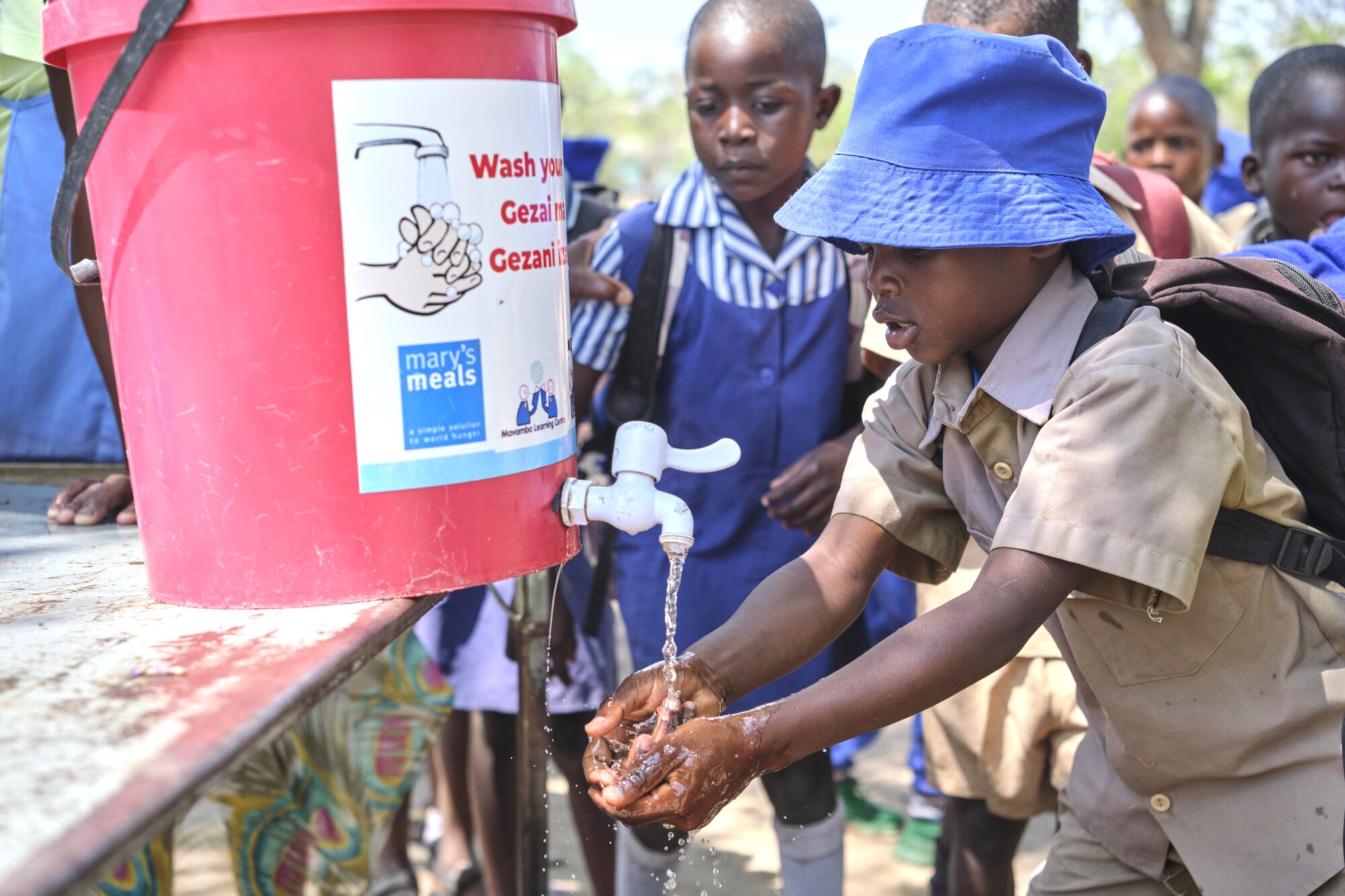
- Mary’s Meals has used the Day of the African Child to highlight the importance of clean water, sanitation and hygiene in improving access to education.
- The charity says millions of African children still face barriers to learning due to poverty, hunger and inadequate water access.
- The organisation is calling for greater investment in school feeding programmes, clean water infrastructure and education.
By Our Reporter
Mary’s Meals has marked the 2026 Day of the African Child by highlighting the critical link between access to clean water and education, while paying tribute to the students who lost their lives during the 1976 Soweto uprising in the fight for quality education.
The global charity noted that this year’s commemoration, themed “Ensuring universal access to water, sanitation and hygiene for every child in Africa,” comes at a time when millions of children across the continent continue to face barriers to education due to poverty, hunger and inadequate access to safe water.
Mary’s Meals currently provides school meals to more than 2.65 million children in 10 African countries and over 3 million children globally.
The organisation said access to reliable water sources remains essential to the success of school feeding programmes and efforts to improve learning outcomes.
Recalling the significance of the Day of the African Child, the charity noted that the observance was established by the African Union in 1991 in memory of students killed in Soweto on June 16, 1976 while protesting for their right to fair and quality education.
Water Scarcity and Education
The impact of water scarcity on education is evident in the experiences of children such as Nyawa, a pupil at Nkhuzyeni Primary School in Zambia.
Despite living near her school, she must first fetch water and complete household chores before attending lessons.
“I go with my friends to fetch water, never alone. There are bushes and thick vegetation along the way, and there are risks from both people and animals,” she said.
Nyawa added:
“I want to complete my education to have a better life. I’d like to train as a nurse. I like my teachers, my friends, and I really like the Mary’s Meals porridge.”
Improving Hygiene and Community Wellbeing
The organisation said access to water not only supports school feeding programmes but also promotes better hygiene practices.
In Madagascar, families whose children receive daily school meals have reported improvements in handwashing and sanitation habits at home as a result of the programme.
Samantha Cameron, Programme Coordinator for one of Mary’s Meals’ partner organisations in Madagascar, said school feeding programmes have helped identify broader community needs, including access to safe drinking water.
“Our school feeding officers live in the communities and see the community day-to-day, which helps our understanding of the problems they face. This provides a strong foundation for our other work, such as addressing the need for clean drinking water,” she said.
She added that some programmes are now prioritising schools participating in school feeding initiatives for borehole and hand-pump interventions.
Expanding Access to Education
According to UNESCO data cited by the charity, approximately 118 million children, adolescents and young people in Africa are currently out of school.
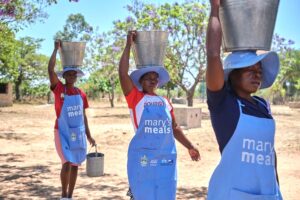
In response, Mary’s Meals expanded its reach in 2025, providing meals to more than 638,000 additional children through over 1,280 schools across Africa.
The organisation has called on governments, communities and development partners to support efforts aimed at expanding access to education, clean water and school feeding programmes.
READ ALSO: Goseta Boys to pay for damages as teachers face KSSSA action in Trans Nzoia games dispute
It says such investments are essential for securing a brighter future for millions of African children.
You can also follow our social media pages on Twitter: Education News KE and Facebook: Education News Newspaper for timely updates.
>>> Click here to stay up-to-date with trending regional stories
>>> Click here to read more informed opinions on the country’s education landscape