- KNCHR has proposed the inclusion of human rights and transitional justice in Kenya’s education curriculum.
- The commission says learners should understand the country’s history of rights violations, constitutional reforms and democratic accountability.
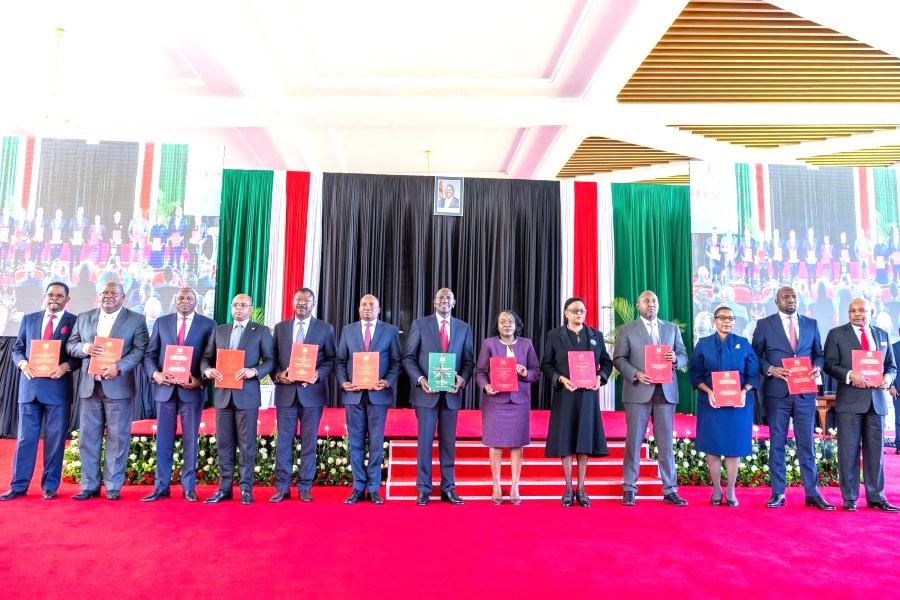
- The recommendation is contained in a reparations framework submitted to President William Ruto in June 2026.
By Joseph Mambili
Kenyan learners could soon study human rights, transitional justice and the country’s history of political violence and constitutional reforms if recommendations contained in a new Kenya National Commission on Human Rights (KNCHR) report are implemented.
The proposal is contained in the Report on the Development of a Framework for Reparations for Victims of Violations of Human Rights, Including from Demonstrations and Public Protests, submitted to President William Ruto in June 2026.
The report was prepared by KNCHR under the leadership of Chairperson Claris Ogangah following a Presidential Proclamation issued in March 2026.
The recommendations come against the backdrop of increasing calls for accountability following recent demonstrations, including the June 25, 2024 Gen Z protests that left many young people dead, injured or facing various forms of rights violations.
KNCHR says it monitored demonstrations between 2023 and 2026 and documented cases of deaths, injuries and abductions.
Human Rights Lessons in Classrooms
The report proposes that schools become central spaces for teaching future generations about justice, accountability and constitutional rights.
The report recommends: “Integrating transitional justice as part of Kenya’s educational curriculum.”
According to KNCHR, education can help young people understand the causes and consequences of human rights violations while strengthening democratic values and responsible citizenship.
The report notes: “Kenya’s history is marked by periods of systemic and gross human rights violations and historical injustices.”
“Political repression, unlawful detention, torture, enforced disappearances, and violations associated with electoral processes and public demonstrations.”
Learning from Kenya’s Past
KNCHR argues that teaching transitional justice would help preserve national memory and prevent future abuses.
“The Truth, Justice and Reconciliation Commission (TJRC) Report (2013) documented these patterns and underscored the need for comprehensive measures to address past injustices, restore the dignity of victims, and prevent recurrence,” report notes.
However, the report observes: “Significant gaps remain in the implementation of its recommendations, particularly in relation to reparations and institutional reforms.”
The Commission says young people should understand both the country’s painful history and the reforms that followed the promulgation of the Constitution.
Building a Culture of Peace
The report links education to reconciliation and national healing.
Among its recommendations are:b“Working with communities to foster reconciliation, national cohesion and integration.”
“Making a comprehensive reconciliatory public apology including acknowledgment of the facts and acceptance of responsibility,” report further proposes.
READ ALSO:KNCHR proposes education support for victims of rights violations
KNCHR believes that integrating transitional justice into education would complement broader efforts aimed at promoting accountability, strengthening democracy and ensuring future generations understand the importance of protecting human rights and constitutional freedoms.
You can also follow our social media pages on Twitter: Education News KE and Facebook: Education News Newspaper for timely updates.
>>> Click here to stay up-to-date with trending regional stories
>>> Click here to read more informed opinions on the country’s education landscape