- Child poverty continues to limit access to education, healthcare and opportunities for millions of learners worldwide.
- The effects extend beyond childhood, influencing academic achievement, wellbeing and future economic prospects.
- Experts say early intervention, quality education and strong social protection systems are essential to breaking the cycle.
By Doricah Nyatuka
Poverty is one of the most pressing challenges facing children worldwide, and its impact goes far beyond the absence of money. It is a multidimensional condition that deprives children of access to basic needs such as food, shelter, healthcare and education.
Poverty can be understood in different forms: absolute poverty, where families struggle to meet the bare minimum for survival; relative poverty, where children live below the average standard of living in their society; and multidimensional poverty, which encompasses deprivation across nutrition, housing, education and healthcare.
Child poverty specifically highlights the unique vulnerabilities of young people who lack the resources necessary to grow, learn and thrive.
Challenges Faced by Children Living in Poverty
Children raised in poor backgrounds face numerous challenges that shape their development.
Educationally, they are more likely to attend poorly maintained schools with overcrowded classrooms and limited resources. Access to daycare facilities, where available, is often inadequate, restricting early learning opportunities.
Health-wise, poverty exposes children to malnutrition, limited healthcare and higher risks of illness. Psychologically, the stress associated with unstable housing, hunger and family financial struggles can lead to anxiety and hinder emotional growth.
Socially, these children often experience exclusion and stigma, further limiting their opportunities to succeed.
Long-Term Effects of Child Poverty
The effects of poverty on children are profound and long-lasting.
It can cause developmental delays, both physical and cognitive, making it harder for children to keep pace with their peers. Educational attainment is often lower, with higher dropout rates and fewer opportunities to pursue higher education.
Poverty also perpetuates a generational cycle in which children who grow up poor are more likely to remain poor as adults, with reduced earnings and limited career opportunities.
In essence, poverty can rob children of their potential before they even have the opportunity to realise it.
Factors That Influence Child Poverty
Several factors influence the lives of children living in poverty.
Family income determines access to food, housing and healthcare, while community resources such as libraries, safe play areas and daycare facilities can either support or hinder development.
Government policies also play a critical role. Strong social protection systems and investment in education can significantly reduce the effects of poverty.
Global challenges such as conflict, climate change and economic instability further worsen child poverty, making it a complex issue that requires coordinated solutions.
Solutions to Child Poverty
Addressing child poverty requires a multifaceted approach.
Social protection programmes, including cash transfers, food subsidies and access to healthcare, can provide immediate relief. Long-term solutions include investing in quality education, training teachers and creating inclusive curricula that give every child a fair opportunity to succeed.
Community support through safe daycare facilities, after-school programmes and mentorship initiatives can help bridge existing gaps.
Policy reforms are equally important, with governments prioritising child welfare through budgets and legislation that promote sustainable change.
The Role of Teachers and Students
Teachers and students play a crucial role in shaping how children from poor backgrounds experience education.
It is important that they treat such children with empathy rather than pity. Empathy involves understanding their challenges and supporting them without labelling them as less capable.
Inclusive practices, respectful language and encouragement can help children feel valued and motivated.
Students can also be guided to demonstrate kindness, cooperation and support, fostering an environment where every child feels accepted and included.
Why Early Intervention Matters
Early childhood intervention remains one of the most effective ways of breaking the cycle of poverty.
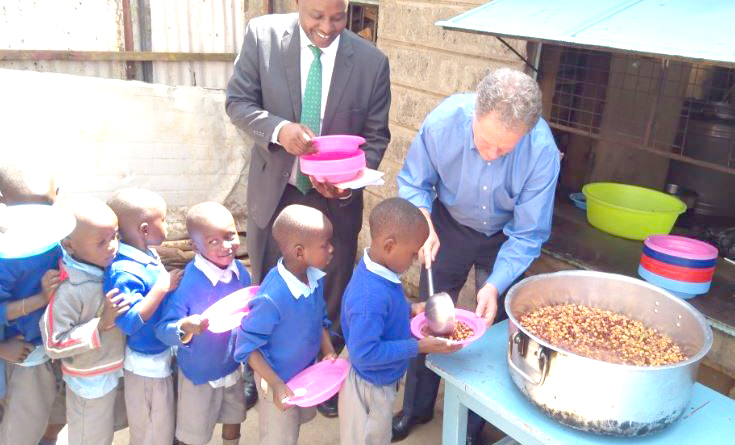
Nutrition programmes, such as school feeding initiatives, ensure that children are not learning on empty stomachs. Access to healthcare, including vaccinations and early screenings, protects them from preventable diseases.
Parental support through workshops and counselling strengthens families, while affordable, high-quality daycare and preschool programmes lay the foundation for lifelong learning and success.
Conclusion
Poverty is not merely an economic issue; it is a denial of children’s rights, opportunities and potential.
Its effects are far-reaching, but strong policies, community support, empathetic teaching and early interventions can provide children from disadvantaged backgrounds with dignity, opportunity and hope.
READ ALSO: Kimobo Mixed storms into Bungoma county games after dominant Mt Elgon campaign
Breaking the cycle of poverty begins with recognising that every child deserves a fair chance to thrive, regardless of where they are born.
You can also follow our social media pages on Twitter: Education News KE and Facebook: Education News Newspaper for timely updates.
>>> Click here to stay up-to-date with trending regional stories
>>> Click here to read more informed opinions on the country’s education landscape