- Government Spokesperson Isaac Mwaura has warned learners that involvement in crime could have long-term consequences on their future.
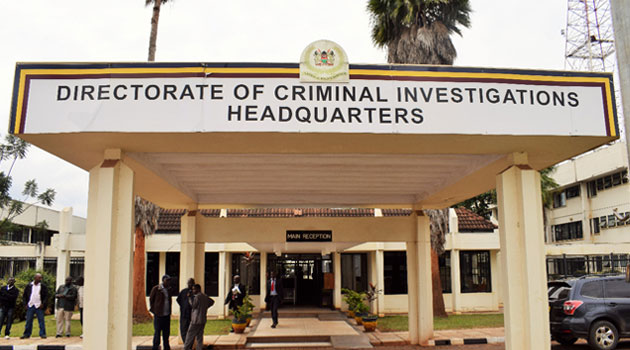
- The DCI says records of criminal offences may be retained and reflected during police clearance and background checks.
- The warning comes amid rising cases of student unrest, school fires and criminal activities involving learners.
By Joseph Mambili
Students who become involved in criminal activities while still in school could face consequences that extend far beyond their years of study, with records of such offences being preserved for future reference.
The warning was issued by Government Spokesperson Isaac Mwaura on June 14 through a public notice cautioning learners in primary schools, secondary schools, colleges and universities against engaging in unlawful activities.
“This is to warn every student from primary school, secondary school, college and university that the Directorate of Criminal Investigations is archiving and consolidating charges that may be preferred against each and every student involved in any crime,” stated the notice.
Future Consequences
According to the advisory, offences that may appear insignificant during one’s school years could have long-term implications later in life.
The Directorate of Criminal Investigations (DCI) said records of reported offences will not automatically disappear simply because a case was resolved, forgotten or did not proceed to court.
Instead, the information may remain available and could arise when an individual applies for a Police Clearance Certificate, commonly known as a Certificate of Good Conduct.
For many young people seeking employment after completing their studies, the certificate is often a key requirement during recruitment and background checks.
Offences That Could Affect Future Opportunities
The DCI outlined a number of offences that could be reflected in student records, including violent or unlawful demonstrations, arson, drug-related crimes, cyberbullying, assault, drunkenness and other reported criminal activities.
The agency cautioned that involvement in such offences could leave a lasting record that may affect future opportunities.
“Let each student be informed that it will automatically be reflected on the Police Clearance Certificate (Certificate of Good Conduct) when such a student applies for one,” the notice stated.
“This will be a permanent criminal mark that will bar many students from achieving their goals, as no employer of worth will dare employ such characters.”
The directorate also appealed to parents, teachers, religious leaders and guardians to play a more active role in mentoring and guiding young people away from crime and destructive behaviour.
Rising Cases of School Unrest
The warning comes at a time when the country has witnessed increasing cases of student unrest, including a series of school fires.
One of the most tragic incidents occurred earlier this month at Utumishi Girls School, where a dormitory fire claimed the lives of 16 students. Nine suspects are currently in custody in connection with the incident.
Statistics from the Ministry of Education indicate that at least 71 boarding schools have so far been closed following a wave of unrest, arson incidents and security concerns in learning institutions.
READ ALSO: The CBE burden: When trained teachers collide with a new education reality
The government further reports that the crisis has affected learning in about 204 schools nationwide, with some institutions being temporarily shut down as authorities work to restore normal learning and safeguard students.
You can also follow our social media pages on Twitter: Education News KE and Facebook: Education News Newspaper for timely updates.
>>> Click here to stay up-to-date with trending regional stories
>>> Click here to read more informed opinions on the country’s education landscape