Student unrest in Kenyan schools remains one of the most persistent and destructive challenges confronting the education sector. For decades, schools have periodically been engulfed in strikes, arson attacks, destruction of property, violent confrontations and other forms of indiscipline that disrupt learning and, in the worst cases, claim lives.
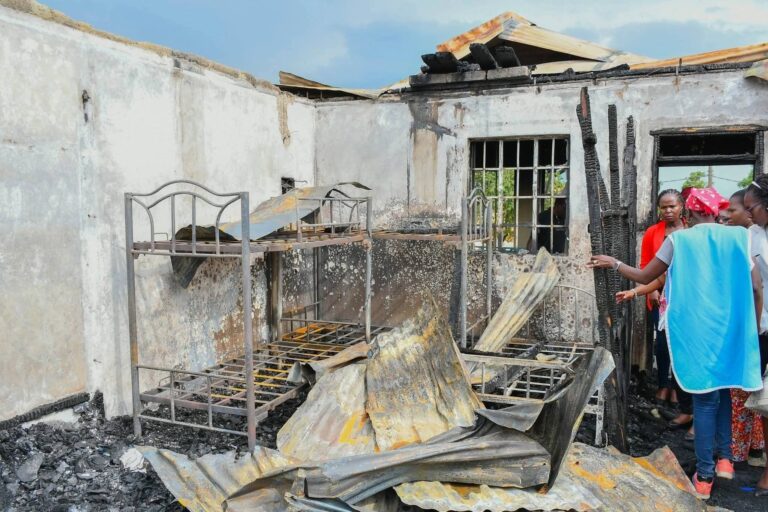
The Kyanguli Secondary School fire of 2001, which killed 67 students, the nationwide wave of school fires in 2021 and the Utumishi Girls Academy tragedy of May 2026, which claimed 16 lives, remain painful reminders that school unrest is not a routine disciplinary issue but a national crisis.
Kenya’s experience mirrors a wider global and continental reality. Across Africa, countries such as Uganda, South Africa and Nigeria have all grappled with student strikes linked to welfare concerns, poor communication, strained authority structures and governance gaps.
Uganda’s recurrent school unrest in the early 2000s revealed weaknesses in student engagement and counseling systems. South Africa’s school protests reflected inequalities and institutional tension, while Nigeria’s episodes of unrest have often been tied to living conditions, examinations pressure and strained school authority relationships.
Beyond Africa, the pattern remains strikingly consistent. In France, the 1968 student protests exposed the consequences of disconnect between young people and authority structures. The United Kingdom experienced waves of student demonstrations during the late 1960s and 1970s before institutionalizing stronger student representation and dialogue mechanisms.
ALSO READ:
Nyambaria, Thika High and Kanga National release students amid growing unrest fears
South Korea’s student activism in the 1980s and the United States’ growing emphasis on mental health, counseling and school-community partnerships all point to one truth: unrest thrives where student voices are ignored and weak support systems exist.
Across all contexts, the causes remain consistent—communication breakdown, examination pressure, weakened discipline structures, substance abuse, peer influence, welfare concerns, moral challenges and the emergence of negative groupings within schools. These are not isolated problems; they are interconnected pressures that require a coordinated and sustained response.
- Restoring discipline through rehabilitation, not fear
Effective discipline remains the foundation of stable learning institutions. However, discipline must move beyond fear-based punishment toward corrective and rehabilitative approaches. Structured activities such as community service, environmental conservation, school gardening and supervised manual work can instill responsibility while preserving dignity. Discipline must shape character, not break spirit.
- Rebuilding the home–school partnership
No school can manage discipline alone. Research across Kenyan sub-counties has consistently shown that parental involvement reduces unrest and improves academic stability. When parents and teachers share responsibility, students receive consistent guidance. Regular meetings, joint discipline frameworks and continuous communication strengthen accountability and reduce behavioral gaps between home and school.
- Institutionalizing dialogue and communication
Many school crises escalate because students feel unheard. Institutions that create structured dialogue platforms reduce tension significantly. Student councils, open forums and administrative consultations must be normalized, not activated only during crises. Communication is not a concession—it is preventive governance.
- Tackling substance abuse and risk behaviour
Drugs and alcohol continue to undermine discipline in schools by impairing judgment and increasing aggression. Effective intervention requires awareness campaigns, counseling support and preventive education, not only punishment. Students must understand consequences before behaviour becomes crisis.
ALSO READ:
Riokindo Boys, Kereri High send students home as unrest wave continues
- Strengthening counseling and moral guidance
Modern learners face emotional pressure, identity struggles and psychological stress. Without structured counseling, these challenges manifest as unrest. Strong guidance systems, mentorship programmes and ethical education help students navigate adolescence with resilience and responsibility.
- Countering negative peer and external influences
Peer pressure remains one of the strongest drivers of unrest. Negative influence spreads quickly among adolescents, especially in environments lacking strong leadership. Schools must promote positive peer structures through clubs, mentorship programmes and student leadership that channels influence constructively. At the same time, vigilance is needed against illicit sects and harmful groupings that exploit vulnerable learners.
- Empowering teachers and strengthening institutional authority
Teachers remain central to discipline management, yet their authority must be clearly supported by policy. When teacher authority is weakened, early warning signs of unrest are often missed or ignored. Empowered teachers, backed by clear frameworks and administrative support, are better positioned to maintain order and guide learners effectively.
The global and local evidence is clear: student unrest is not merely a school problem but a reflection of deeper communication, psychological and governance gaps. From Kenya to Uganda, Nigeria to South Africa, and France to the United States, the lesson remains consistent—schools that invest in dialogue, counseling, participation, parental involvement and fair discipline systems achieve lasting stability.
Kenya’s path forward must therefore shift from reactive crisis management to proactive institution-building. Every avoided strike, every prevented fire and every guided student represents a step toward restoring dignity in education.
A stable school is not built through force, but through trust, structure and shared responsibility.
By Hillary Muhalya
You can also follow our social media pages on Twitter: Education News KE and Facebook: Education News Newspaper for timely updates.
>>> Click here to stay up-to-date with trending regional stories
>>> Click here to read more informed opinions on the country’s education landscape