A new continental report has identified assistive technology as one of the most critical tools for expanding access to education and learning opportunities for millions of children and young people with disabilities across Africa.
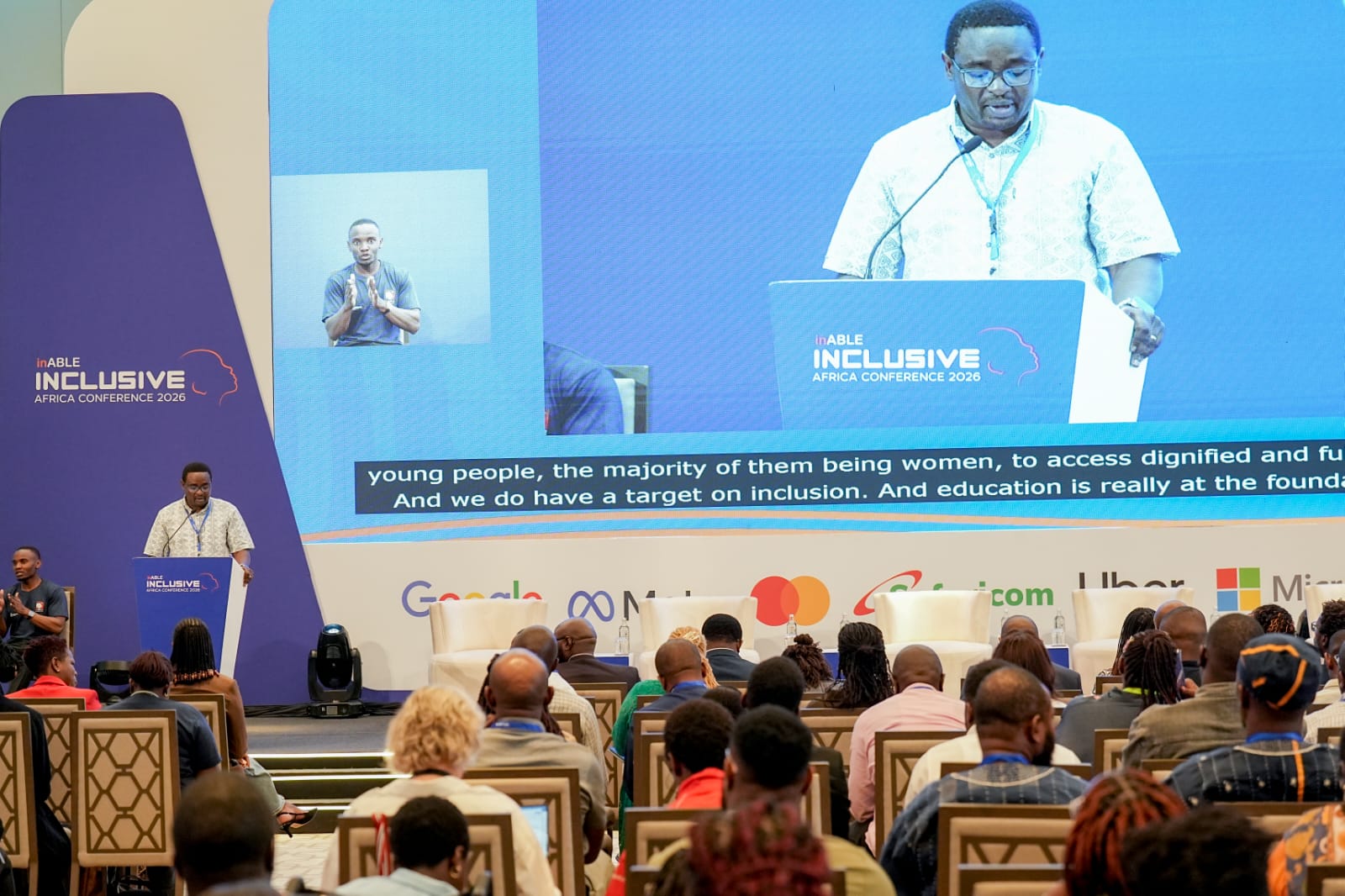
Launched by the Mastercard Foundation during the 7th Annual Inclusive Africa Conference in Nairobi, the Assistive Technology Landscape in Africa Report provides the most comprehensive assessment to date of the state of assistive technology on the continent and its role in advancing inclusion.
Developed through a research consortium led by Stellenbosch University, the report examines access to assistive technology, policy frameworks, innovation ecosystems, and economic opportunities across all 54 African countries.
The findings reveal that while many African countries have made progress toward inclusive education, significant barriers continue to prevent learners with disabilities from accessing the tools they need to succeed in school and beyond.
Assistive technology includes a wide range of devices and services that help persons with disabilities access information, communicate, and participate fully in society. These include screen readers for learners with visual impairments, hearing aids for students with hearing loss, Braille devices, mobility aids, speech-to-text software, and other digital accessibility tools.
ALSO READ;
Nearly 100 schools hit as unrest crisis spirals out of control
According to the report, access to these technologies can dramatically improve educational outcomes by enabling learners to participate effectively in classrooms, access digital content, and complete their studies independently.
However, millions of students across Africa continue to face challenges in obtaining these essential learning tools.
Researchers found that high costs, limited availability of products, inadequate support services, and a shortage of trained personnel remain major obstacles, particularly in rural and marginalized communities.
The report notes that despite growing commitments to inclusive education, many learners with disabilities remain at risk of being left behind.
Without appropriate assistive technologies, students often struggle to access educational materials, participate in classroom activities, and transition successfully into higher education and employment.
The study warns that these barriers contribute to lower educational attainment and reduced opportunities for economic participation later in life.
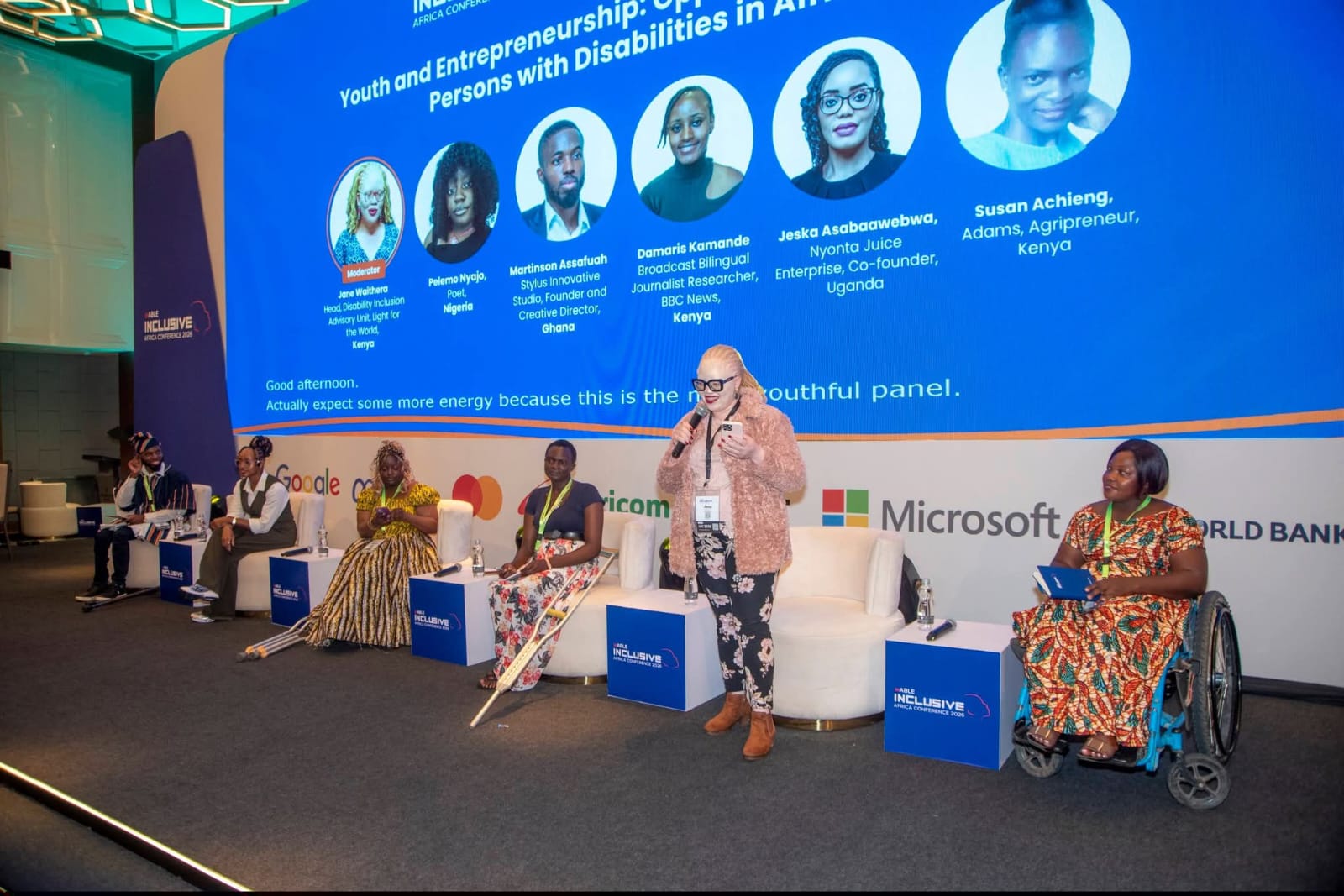
It emphasizes that assistive technology should be viewed as a fundamental component of quality education rather than an optional support service.
Researchers found that many African governments have adopted policies promoting disability inclusion and accessible education. However, implementation remains inconsistent due to funding constraints, weak coordination mechanisms, and limited capacity within education systems.
The report calls for increased investment in assistive technologies, teacher training, digital accessibility, and support services to ensure learners with disabilities can fully benefit from educational opportunities.
It also highlights the importance of integrating assistive technology into national education strategies and school infrastructure planning.
The study points to a growing number of African innovators developing locally relevant assistive technologies designed to meet the needs of learners with disabilities.
From digital learning platforms to accessible educational software and low-cost assistive devices, innovators are helping bridge educational gaps while creating solutions tailored to local contexts.
Researchers argue that greater investment in local innovation and manufacturing could improve affordability and increase access for schools and families across the continent.
Speaking during the report launch, Hannah Tsadik of the Mastercard Foundation said the findings provide critical evidence to guide investments and partnerships that can improve opportunities for young people with disabilities.
She noted that access to assistive technology is essential for ensuring that learners with disabilities are able to acquire skills, pursue education, and participate fully in society.
ALSO READ;
Bungoma leads Western Kenya in student strikes as education officials raise concern
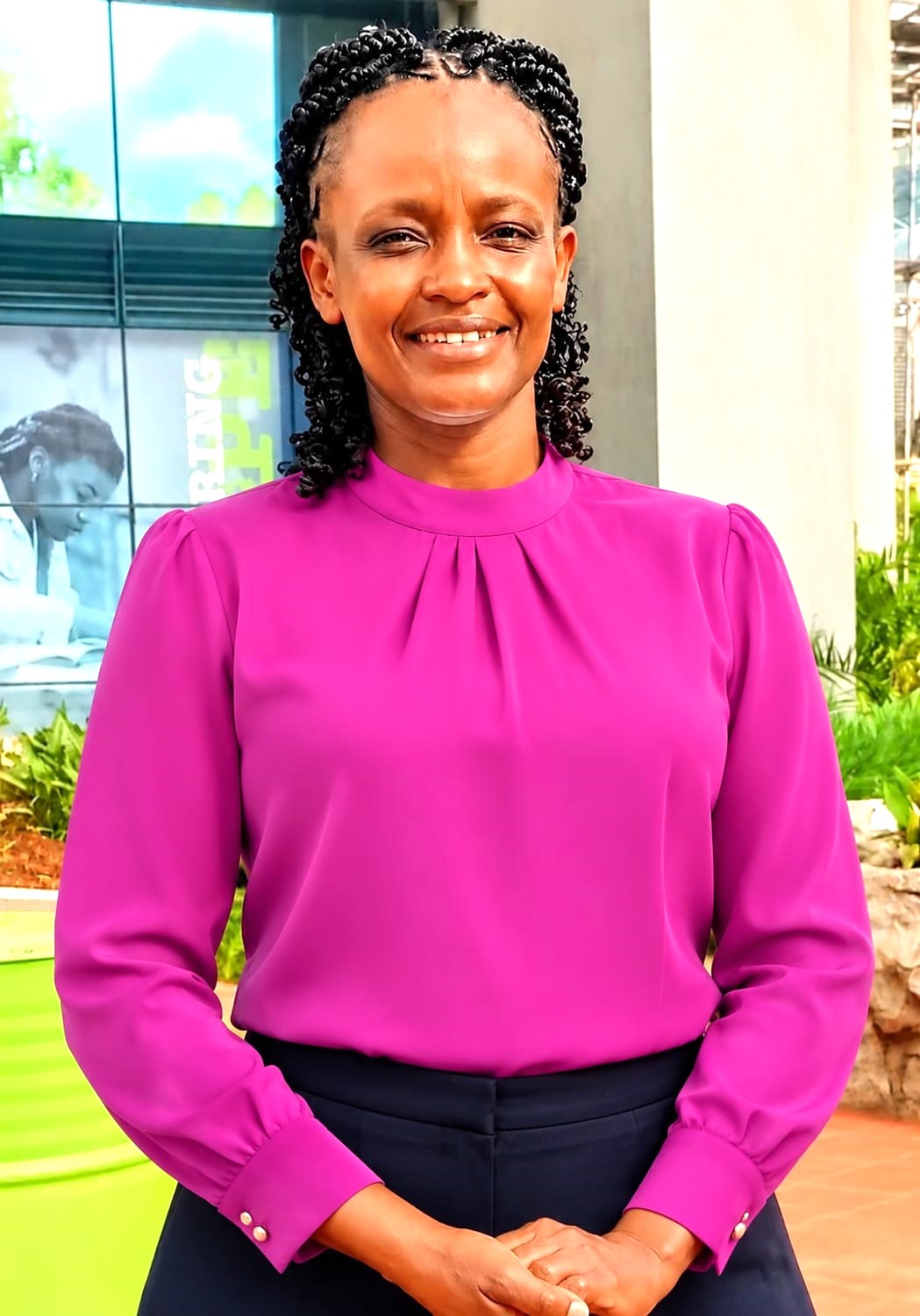
Irene Mbari-Kirika, Founder and Executive Director of inABLE, said assistive technology continues to transform educational experiences by removing barriers and enabling learners to reach their full potential.
She emphasized that ensuring equitable access to learning tools is key to building a more inclusive future for Africa’s youth.
The report was commissioned by the Mastercard Foundation and developed in partnership with Stellenbosch University, Kwame Nkrumah University of Science and Technology (KNUST), Humanity and Inclusion, and the Clinton Health Access Initiative (CHAI).
Researchers reviewed 185 scientific studies and 338 grey-literature documents from across Africa, creating a comprehensive evidence base on the continent’s assistive technology landscape.
The report concludes that expanding access to assistive technology in education will be essential to achieving inclusive learning systems and ensuring that every learner, regardless of ability, has the opportunity to succeed.
By Felix Wanderi
You can also follow our social media pages on Twitter: Education News KE and Facebook: Education News Newspaper for timely updates.
>>> Click here to stay up-to-date with trending regional stories
>>> Click here to read more informed opinions on the country’s education landscape