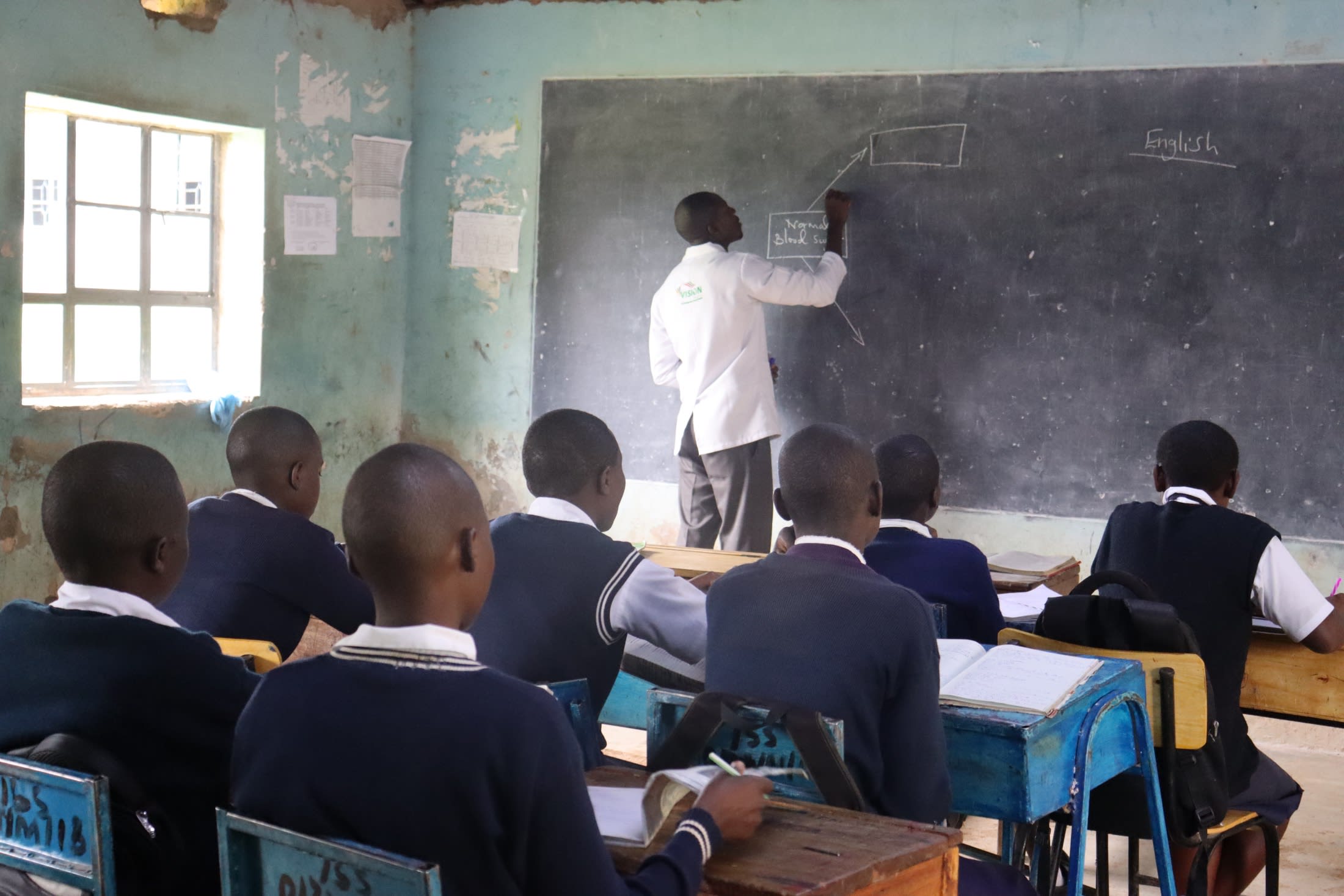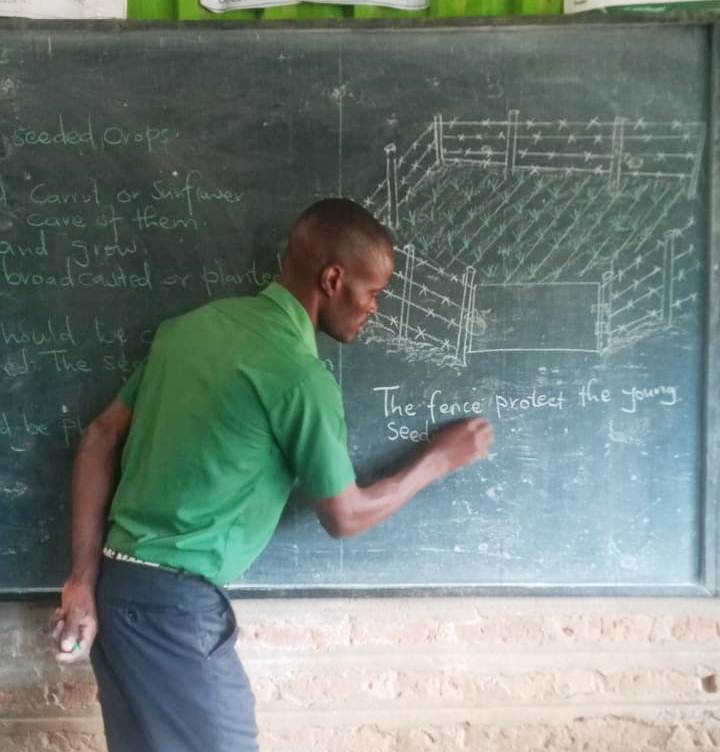
New findings now reveal a painful reality hidden behind classroom walls-thousands of Kenyan teachers are trapped in debt, surviving from payslip to payslip while battling severe stress, burnout, anxiety, and emotional exhaustion linked to financial distress.
The latest Teacher Wellness and Engagement Survey (TWES) conducted by the Kenya National Union of Teachers (KNUT) in partnership with Knightwise Human Capital paints the picture of a profession under immense pressure, where educators entrusted with shaping the nation’s future are themselves sinking into economic and psychological hardship.
According to the survey, a staggering 97 percent of teachers admitted they live from payslip to payslip with almost nothing left after deductions and household obligations. The figures expose how deeply financial vulnerability has penetrated the teaching profession despite teachers remaining among the most critical pillars of national development.
The findings further reveal that 92 percent of teachers are unable to comfortably handle emergencies such as sickness, accidents, family crises, or unexpected financial demands. This means that a majority of educators remain one emergency away from severe financial collapse.
Another alarming statistic shows that 88 percent of teachers are struggling with debt repayment while still attempting to maintain basic living standards. Loans, salary advances, SACCO deductions, school fees for their children, rent, medical bills, and family responsibilities have created a cycle many teachers now find impossible to escape.
The report also indicates that 80 percent of teachers constantly live under financial stress and uncertainty. This prolonged pressure is now directly affecting mental wellness, emotional stability, and workplace productivity within learning institutions across the country.
Even more worrying is the revelation that 60 percent of teachers are experiencing burnout caused by overwhelming workloads, emotional fatigue, curriculum pressure, and financial instability. Burnout among teachers has increasingly become visible through low morale, exhaustion, frustration, absenteeism, and declining enthusiasm in professional responsibilities.
ALSO READ:
Inferno at Utumishi Girls School sparks national grief as unknown number of students feared dead
The survey further established that 18 percent of teachers are already in severe financial distress, while a deeply disturbing 12 percent admitted to having suicidal thoughts at some point due to overwhelming stress and financial pressure.
These revelations have sent shockwaves across the education sector because teachers are expected to remain emotionally stable, professionally composed, and mentally focused while handling learners, implementing Competency-Based Education, preparing assessments, managing co-curricular activities, and maintaining institutional discipline.
Yet behind staffroom smiles and classroom professionalism lies a growing silent crisis.
The findings now expose a major contradiction within society. Teachers are entrusted with nurturing disciplined, innovative, emotionally stable, and productive learners, yet many of them work while emotionally drained and psychologically overwhelmed.
Mental health experts warn that prolonged financial distress can lead to anxiety disorders, depression, insomnia, emotional withdrawal, hypertension, reduced concentration, and declining workplace effectiveness. In schools, these challenges may slowly affect lesson delivery, learner engagement, decision-making, discipline management, and institutional stability.
Education Cabinet Secretary Julius Migos Ogamba acknowledged the gravity of the matter during the release of the report and highlighted several interventions being undertaken to support the teaching profession.
According to government data, over 100,000 teachers have been recruited in the last three years to ease staffing shortages and reduce workload pressure in schools. The government has also allocated Ksh 950 million toward teacher retooling under Competency-Based Education and set aside Ksh 2 billion for teacher promotions in the 2026/2027 financial year.
ALSO READ:
Concern as referee shortage hits Kisii County Term Two ball games
Additionally, 21,383 teachers have reportedly been promoted this financial year, while school administrators successfully supervised the construction of over 23,000 Grade 9 classrooms during the Junior Secondary transition.
However, despite these interventions, stakeholders argue that teacher welfare challenges remain deeply rooted. Analysts believe that unless urgent measures are implemented to strengthen teacher wellbeing, the education sector risks facing increased burnout, declining morale, rising absenteeism, mental health breakdowns, and possible exits from the profession by experienced educators.
Education experts are now calling for stronger financial literacy programmes, improved remuneration, counselling support systems, faster promotions, workload reduction mechanisms, and retirement preparedness programmes to cushion teachers from economic vulnerability.
Others are urging financial institutions to develop more responsible lending structures targeting teachers to reduce overdependence on salary advances and loan restructuring cycles that continue trapping many educators in debt.
The findings now stand as one of the strongest warnings yet that teacher wellness is no longer a private struggle confined to staffrooms. It has become a national concern directly tied to learner outcomes, institutional performance, and the future quality of education in Kenya.
A mentally exhausted, emotionally drained, and financially distressed teacher cannot consistently deliver quality education effectively.
The classroom remains the engine of national transformation, but the engine itself is now crying for rescue.
By Hillary Muhalya
You can also follow our social media pages on Twitter: Education News KE and Facebook: Education News Newspaper for timely updates.
>>> Click here to stay up-to-date with trending regional stories
>>> Click here to read more informed opinions on the country’s education landscape