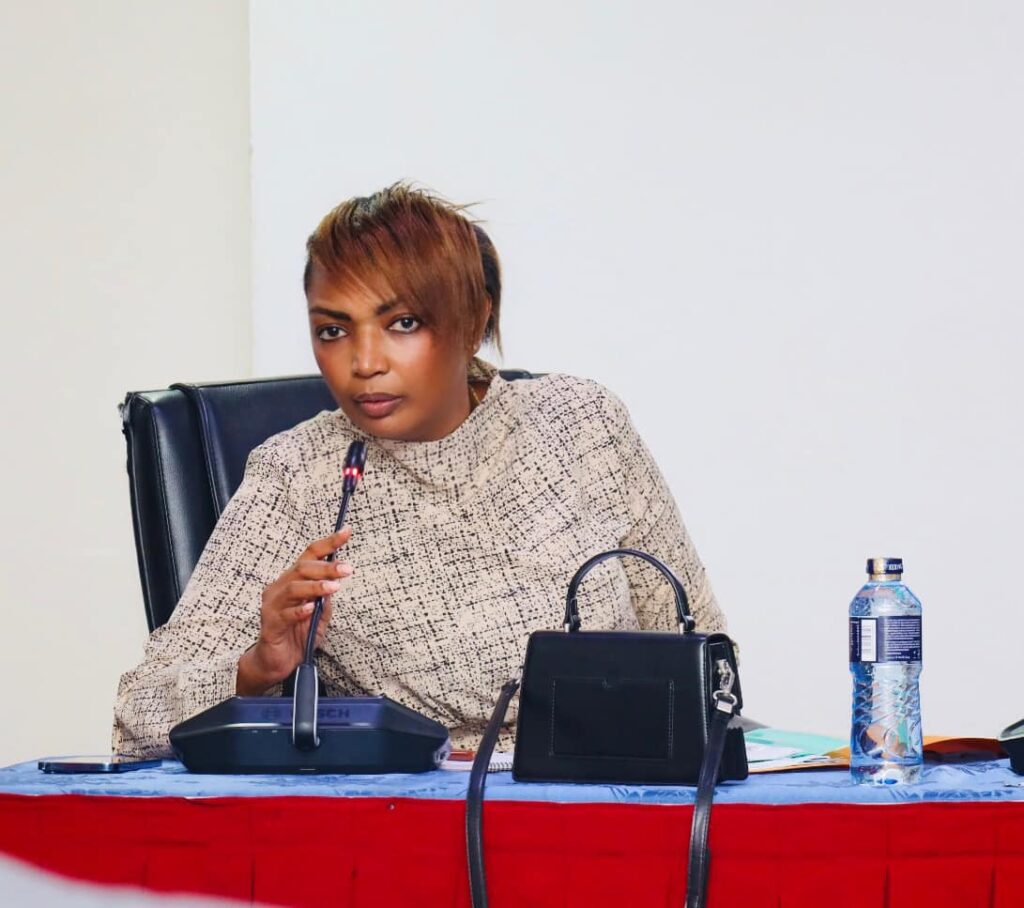
The controversy involving Karen Nyamu has become one of the most discussed issues in Kenya concerning leadership, ethics, and the protection of children in public institutions. What happened inside the Senate was not viewed by many Kenyans as a harmless joke or simple political drama.
Instead, it was widely seen as conduct that undermined the dignity of a child and lowered the standards expected from public leaders.
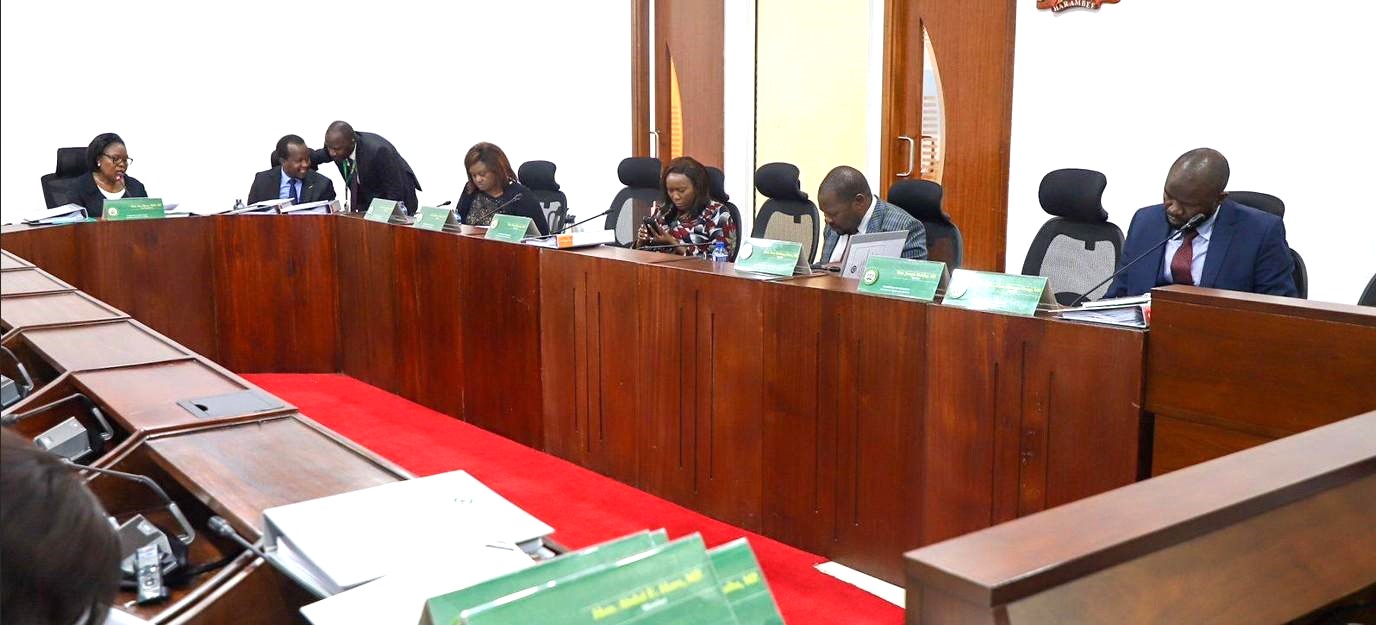
The incident occurred when a Grade 10 student visited the Senate during an educational program designed to help young people understand Parliament and learn about leadership and governance. Such programs are important because they encourage young citizens to participate in democracy and inspire them to dream about leadership in the future. However, during the Senate session, Senator Karen Nyamu allegedly made seductive and inappropriate remarks toward the student. Because the remarks were made publicly inside Parliament, the issue immediately attracted national attention and criticism.
Parliament is expected to be a place of dignity, discipline, and respect. It is one of the highest institutions in the country, where leaders debate national matters and make laws that affect millions of Kenyans. Citizens, therefore, expect Senators and Members of Parliament to conduct themselves responsibly at all times. When inappropriate remarks are directed toward a child inside Parliament, many people feel that the integrity of the institution itself is damaged.
The seriousness of the matter increased when Senate Speaker Amason Kingi described the remarks as “shameful.” This was important because it showed that the Senate leadership itself believed the conduct had violated the standards expected in Parliament. The Speaker’s statement transformed the issue from a personal controversy into an institutional matter affecting the dignity of the Senate.
The incident also raised important constitutional questions, especially concerning Chapter Six of the Constitution on Leadership and Integrity. Article 73 states that public office is a public trust and that State officers must behave in a manner that brings honour to the nation and dignity to their offices. Senators are expected to lead by example because they represent the people and are entrusted with making laws for the country.
Kenyan courts have repeatedly emphasised that these constitutional values are not merely suggestions but legal obligations. In Trusted Society of Human Rights Alliance v Mumo Matemu, the Court of Appeal explained that integrity is a central requirement for anyone holding public office. The court stated that leadership must inspire public confidence and that State officers must maintain high moral standards. This case is important because it shows that the Constitution expects leaders to behave in a manner that earns the trust and respect of the public.
Similarly, in Johnson Muthama v Speaker of the Senate, the court emphasised that parliamentary privilege does not protect conduct that violates constitutional values. This means that leaders inside Parliament cannot hide behind parliamentary immunity when their actions undermine dignity, respect, or the rule of law.
The controversy also touched directly on the rights of children under Kenyan law. The Children Act 2022 states clearly that every child has the right to protection from abuse, humiliation, exploitation, and emotional harm. The law further provides that the best interests of the child must always come first in every action involving children.
This principle has also been supported by Kenyan courts. In C.K. (A Child) v Commissioner of Police, the court emphasised that children’s rights are fully enforceable and that State institutions have a duty to protect children from humiliation and indignity. The court made it clear that children deserve special protection because of their vulnerability.
The Senate, as a public institution, therefore had a responsibility to ensure that the student participating in the educational program felt respected and protected at all times. Many Kenyans believe that this duty was compromised when inappropriate remarks were allegedly directed toward the student.
The issue also raised concerns under the Sexual Offences Act 2006, particularly provisions relating to sexual harassment and abuse of authority. Although the Senate is a unique constitutional institution, many legal experts argued that public officials must avoid any conduct that may appear exploitative or inappropriate toward minors, especially within formal settings involving power imbalance.
Another important case connected to this issue is S.W.M v Cabinet Secretary, Ministry of Education, where the High Court stated that the State has a positive duty to protect children from harm in institutions under government supervision. This decision reinforced the idea that children participating in state programs must be safeguarded from emotional or psychological harm.
The public reaction to the incident was also strengthened by statements from organisations defending women’s and children’s rights. The Federation of Women Lawyers in Kenya (FIDA-Kenya) condemned both the remarks and the circulation of the child’s videos and images online. The organisation warned that humiliating children publicly can cause emotional distress and damage their confidence and well-being.
The National Gender and Equality Commission (NGEC) also emphasised that leaders must use careful and respectful language because their words carry authority and influence. According to the commission, any conduct that humiliates children goes against constitutional values such as dignity, equality, and respect.
Prominent leaders and legal professionals also condemned the incident. Martha Karua stated that the student had come to Parliament to learn about democracy and leadership, not to face humiliation. Former Law Society of Kenya President Faith Odhiambo similarly criticised the incident and argued that Parliament must remain a safe place for children and young people.
The controversy has also exposed a larger problem in Kenyan politics, where controversy and public drama sometimes receive more attention than responsible leadership. Many citizens now feel that some politicians prioritise entertainment and publicity instead of professionalism and ethical conduct. However, this incident has shown that Kenyans increasingly expect leaders to demonstrate maturity, wisdom, and self-control.
Although Senator Nyamu later apologised, many Kenyans questioned whether the apology was enough. Some Senators reportedly felt that the apology lacked seriousness and did not fully appreciate the gravity of the conduct involving a child. This reaction reflects growing frustration among citizens who believe that public officials often apologise after misconduct without facing meaningful consequences.
The controversy has therefore created an opportunity for important reforms within Parliament. Many people are now calling for stronger child protection measures during school visits and youth programs. There are also calls for mandatory training for public officials on ethical leadership, child safeguarding, gender sensitivity, and professional conduct.
Most importantly, the incident has forced Kenya to reflect on the true meaning of leadership. Leadership is not about creating drama, attracting headlines, or entertaining the public. True leadership requires integrity, discipline, respect, and responsibility. Public officials must always remember that their words and actions affect not only individuals but also the image and credibility of national institutions.
READ ALSO: Teachers want MP punished for malicious remarks against principal
The Karen Nyamu controversy is therefore bigger than one Senator or one incident. It is about the standards Kenya expects from its leaders and the values the country wishes to pass on to future generations. It is also about whether children can feel safe and respected inside institutions that are supposed to inspire and protect them.
The Senate now faces an important test. If it responds seriously and introduces meaningful reforms, this controversy could become a turning point that strengthens ethical leadership and child protection in Kenya. However, if the matter is treated lightly, it risks increasing public distrust in leadership and weakening confidence in Parliament as a respected national institution.
By Omwansa Kemosi
You can also follow our social media pages on Twitter: Education News KE and Facebook: Education News Newspaper for timely updates.
>>> Click here to stay up-to-date with trending regional stories
>>> Click here to read more informed opinions on the country’s education landscape
>>> Click here to stay ahead with the latest national news.